Cheque Bounce Law in Pakistan: Complete 489-F PPC Guide (2026)
پاکستان میں چیک باؤنس قانون – دفعہ 489-F کی مکمل رہنمائی

Cheque Bounce Law in Pakistan is one of the most frequently litigated areas of criminal and civil law. Every year, thousands of cases are filed under Section 489-F of the Pakistan Penal Code (PPC) and Order 37 of the Code of Civil Procedure (CPC). Whether you are a businessman who received a dishonoured cheque or an individual who issued a cheque that bounced due to insufficient funds, understanding your legal rights and obligations is crucial. This comprehensive guide covers everything from the types of cheques, criminal and civil remedies, step-by-step action plan, landmark judgments, and practical FAQs. For broader criminal law context, see our Criminal Law Hub.
Under Pakistani law, a cheque is a negotiable instrument governed by the Negotiable Instruments Act, 1881. When a cheque is dishonoured, the law provides two distinct remedies: (1) Criminal prosecution under Section 489-F PPC, which can result in imprisonment up to three years; and (2) Civil recovery under Order 37 CPC, which is a fast-track summary procedure for recovering the cheque amount. This guide will walk you through both remedies in detail. For civil recovery procedures, see Civil Law Pakistan.
پاکستان میں چیک باؤنس قانون سب سے زیادہ زیرِ بحث قانونی مسائل میں سے ایک ہے۔ ہر سال ہزاروں مقدمات تعزیراتِ پاکستان کی دفعہ 489-F اور ضابطہ دیوانی کے آرڈر 37 کے تحت دائر کیے جاتے ہیں۔ چاہے آپ ایک تاجر ہیں جسے باؤنس چیک ملا ہے یا وہ فرد جس کا چیک رقم کی عدم دستیابی کی وجہ سے باؤنس ہوا ہے، اپنے قانونی حقوق اور ذمہ داریوں کو سمجھنا انتہائی ضروری ہے۔
What is the Cheque Bounce Law in Pakistan? Under Section 489-F PPC, dishonestly issuing a cheque towards repayment of a loan or fulfillment of an obligation that is dishonoured upon presentation is a criminal offence punishable by imprisonment up to three years, or fine, or both. For recovery of the amount, a civil summary suit under Order 37 CPC can be filed for fast-track relief. Learn more about fraud and financial crimes.
📌 Key Takeaways – Cheque Bounce Law in Pakistan
- Validity Period: Cheque must be presented within 6 months
- Section 489-F PPC: Criminal action for dishonest issuance
- Punishment: Up to 3 years imprisonment or fine
- Order 37 CPC: Civil remedy for fast-track recovery
- Return Memo: Mandatory document from bank
- Bailable Offence: Generally bailable; court discretion — see Bail Guide
- Security Cheque: May not attract 489-F (2021 SCMR 149)
- Dishonest Intent: Must be proven for conviction
📌 اہم نکات
- میعاد: چیک 6 ماہ کے اندر پیش کرنا لازمی ہے
- دفعہ 489-F: بدنیتی سے چیک جاری کرنے پر فوجداری کارروائی
- سزا: 3 سال تک قید یا جرمانہ
- آرڈر 37: رقم کی فوری وصولی کا دیوانی طریقہ
- واپسی میمو: بینک سے لینا لازمی ہے
- ضمانت: عام طور پر قابلِ ضمانت جرم
1. Types of Cheques under Pakistani Law
Under the Negotiable Instruments Act, 1881, several types of cheques are recognized. Understanding the type of cheque is crucial for determining legal liability. For corporate cheque issues, see Corporate Law Pakistan.
Bearer Cheque
A bearer cheque is payable to the person who presents it to the bank. It does not have the name of the payee written on it or has the word "Bearer" mentioned. Example: If you write a cheque without specifying a name, anyone holding that cheque can encash it.
Order Cheque (By Name)
An order cheque is payable only to the person whose name is written on the cheque. The words "or bearer" are usually struck off. Example: A cheque issued to "Mr. Ali Khan" can only be encashed by Mr. Ali Khan after proper identification.
Crossed Cheque
A crossed cheque has two parallel lines drawn across its face. This means the cheque cannot be encashed over the counter; it must be deposited into a bank account. This provides an extra layer of security.
Self Cheque
A self cheque is issued by the account holder to withdraw cash for themselves. The word "Self" is written in the payee column.
Company Cheque
A cheque issued from a company's account. Important: Both the company and the signatory (Director/Authorized Officer) can be held liable under Section 489-F PPC if the cheque bounces due to dishonest intent. For company liability issues, consult our Corporate Law Guide.
Stale Cheque
A cheque that has passed its 6-month validity period from the date of issue. Banks will not honour stale cheques. Example: A cheque dated January 1, 2026, presented on July 2, 2026, will be returned as "Stale Cheque."
Post-Dated Cheque (PDC)
A cheque bearing a future date. It cannot be encashed before that date. Note: If a PDC bounces on its due date, it is treated the same as a regular cheque bounce.
پاکستان میں چیک کی مندرجہ ذیل اقسام ہیں:
- بیئرر چیک: جو بھی بینک میں پیش کرے، قابلِ ادائیگی۔
- آرڈر چیک (بائی نیم): صرف اس شخص کو ادائیگی جس کا نام لکھا ہو۔
- کراسڈ چیک: کاؤنٹر پر نقد نہیں ملتا، اکاؤنٹ میں جمع ہوتا ہے۔
- سیلف چیک: اکاؤنٹ ہولڈر خود رقم نکالنے کے لیے۔
- کمپنی چیک: کمپنی اور سائن کرنے والا دونوں ذمہ دار۔
- اسٹیل چیک: 6 ماہ سے زائد پرانا چیک، بینک قبول نہیں کرتا۔
- پوسٹ ڈیٹڈ چیک (PDC): مستقبل کی تاریخ والا چیک۔
2. What to Do After a Cheque Bounces – Step-by-Step Action Plan
If you receive a bounced cheque, follow these steps immediately to protect your legal rights:
Obtain the Bank Return Memo
This is the most crucial document. The Return Memo states the exact reason for dishonour (e.g., "Insufficient Funds," "Refer to Drawer," "Payment Stopped"). Without this memo, you cannot file a case.
Send a Legal Notice
Send a formal legal notice to the cheque issuer through a lawyer. This notice demands payment within a specified time (usually 14 days) and informs the issuer of your intention to initiate legal proceedings. For professional drafting, see Legal Drafting Services.
File FIR under Section 489-F PPC
If payment is not made after the legal notice, approach the police station having jurisdiction and file an FIR under Section 489-F PPC. Attach copies of the bounced cheque, Return Memo, and legal notice. For FIR procedures, see FIR & Police Procedures.
File Civil Summary Suit (Order 37 CPC)
Simultaneously or alternatively, file a summary suit under Order 37 CPC in the civil court for recovery of the cheque amount along with markup. This is a fast-track procedure. Learn about civil procedures in our Civil Law Guide.
Preserve All Evidence
Keep the original bounced cheque, Return Memo, copy of legal notice, and all correspondence safely. These are your primary evidence in court.
⚠️ IMPORTANT WARNING: Never delay in taking action. There is a limitation period of 3 years for filing a civil suit from the date the cause of action arose (date of cheque bounce). For criminal complaints, file as soon as possible.
⚠️ اہم انتباہ: کارروائی میں تاخیر نہ کریں۔ دیوانی دعویٰ دائر کرنے کی میعاد 3 سال ہے۔ فوجداری شکایت جلد از جلد درج کروائیں۔
3. Criminal Remedies under Section 489-F PPC
Section 489-F PPC is the primary criminal provision dealing with cheque bounce cases. The section reads:
⚖️ Section 489-F PPC: "Whoever dishonestly issues a cheque towards repayment of a loan or fulfillment of an obligation which is dishonoured on presentation, shall be punished with imprisonment which may extend to three years, or with fine, or with both."
Essential Ingredients of Section 489-F:
- The cheque must have been issued towards repayment of a loan or fulfillment of an obligation.
- The cheque must be dishonoured upon presentation.
- There must be dishonest intention on the part of the issuer. See also: Fraud & Cheating Laws.
📘 Bail in 489-F Cases: Section 489-F PPC is generally considered a bailable offence. However, the court has discretion, and bail is usually granted subject to furnishing surety bonds. For detailed bail procedures, visit our Bail Laws in Pakistan guide.
⚠️ False Cases and Misuse: Courts are increasingly vigilant against false 489-F complaints. If the cheque was given as security or there was no underlying debt, the accused can apply for quashing of FIR under Section 561-A CrPC. For rights of accused, see Rights of Accused.
تعزیراتِ پاکستان کی دفعہ 489-F کے تحت، اگر کوئی شخص قرض کی ادائیگی یا ذمہ داری کی تکمیل کے لیے بدنیتی سے چیک جاری کرے اور وہ ڈس آنر ہو جائے، تو اسے تین سال تک قید، جرمانہ، یا دونوں سزائیں ہو سکتی ہیں۔ یہ عام طور پر قابلِ ضمانت جرم ہے۔
⚠️ جھوٹے مقدمات: عدالتیں جھوٹی 489-F شکایات کے خلاف سخت ہیں۔ اگر چیک بطورِ سیکیورٹی دیا گیا تھا یا کوئی حقیقی قرض موجود نہیں تھا، تو ملزم دفعہ 561-A CrPC کے تحت ایف آئی آر ختم کروانے کی درخواست دے سکتا ہے۔
4. Civil Remedies – Order 37 CPC Summary Suit
For fast-track recovery of the cheque amount, a plaintiff can file a Summary Suit under Order 37 of the Code of Civil Procedure (CPC).
Advantages of Order 37 CPC:
- The defendant cannot defend the suit as a matter of right.
- The defendant must seek "Leave to Defend" from the court.
- If leave is not granted, the plaintiff gets a decree immediately.
- The procedure is much faster than a regular civil suit.
✅ Pro Tip: You can simultaneously pursue criminal prosecution under Section 489-F PPC and civil recovery under Order 37 CPC. They are independent remedies. For more civil remedies, see Civil Law Pakistan.
رقم کی فوری وصولی کے لیے آرڈر 37 CPC کے تحت 'سمری سوٹ' دائر کیا جا سکتا ہے۔ اس کا سب سے بڑا فائدہ یہ ہے کہ مدعا علیہ کو دفاع کے لیے عدالت سے پیشگی اجازت (Leave to Defend) لینی پڑتی ہے۔ اگر اجازت نہ ملی تو مدعی فوراً ڈگری حاصل کر لیتا ہے۔
✅ اہم مشورہ: آپ بیک وقت فوجداری کارروائی (489-F) اور دیوانی کارروائی (آرڈر 37) دونوں کر سکتے ہیں۔
5. Landmark Supreme Court Judgments
| Citation | Key Ruling |
|---|---|
| 2018 SCMR 1606 | Dishonour alone is not an offence; "dishonest intent" must be proven. |
| 2021 SCMR 149 | Section 489-F may not apply if the cheque was given purely as "security" and no actual debt existed. |
| 2020 SCMR 1564 | Discrepancy between cheque amount and claimed debt can be fatal to prosecution. |
| PLD 2019 SC 527 | If the accused proves the cheque was issued under duress or without consideration, conviction cannot stand. |
For more landmark judgments, visit our Case Laws Database.
سپریم کورٹ کے اہم فیصلے:
- 2018 SCMR 1606: محض چیک ڈس آنر جرم نہیں، 'بدنیتی' ثابت کرنا ضروری ہے۔
- 2021 SCMR 149: اگر چیک بطور 'سیکیورٹی' دیا گیا تھا تو 489-F لاگو نہیں ہو سکتا۔
- 2020 SCMR 1564: چیک کی رقم اور دعویٰ کردہ قرض میں تضاد مقدمے کے لیے مہلک ہے۔
- PLD 2019 SC 527: اگر ملزم ثابت کرے کہ چیک دباؤ میں یا بغیر معاوضہ دیا گیا تو سزا نہیں ہو سکتی۔
6. Frequently Asked Questions (FAQs)
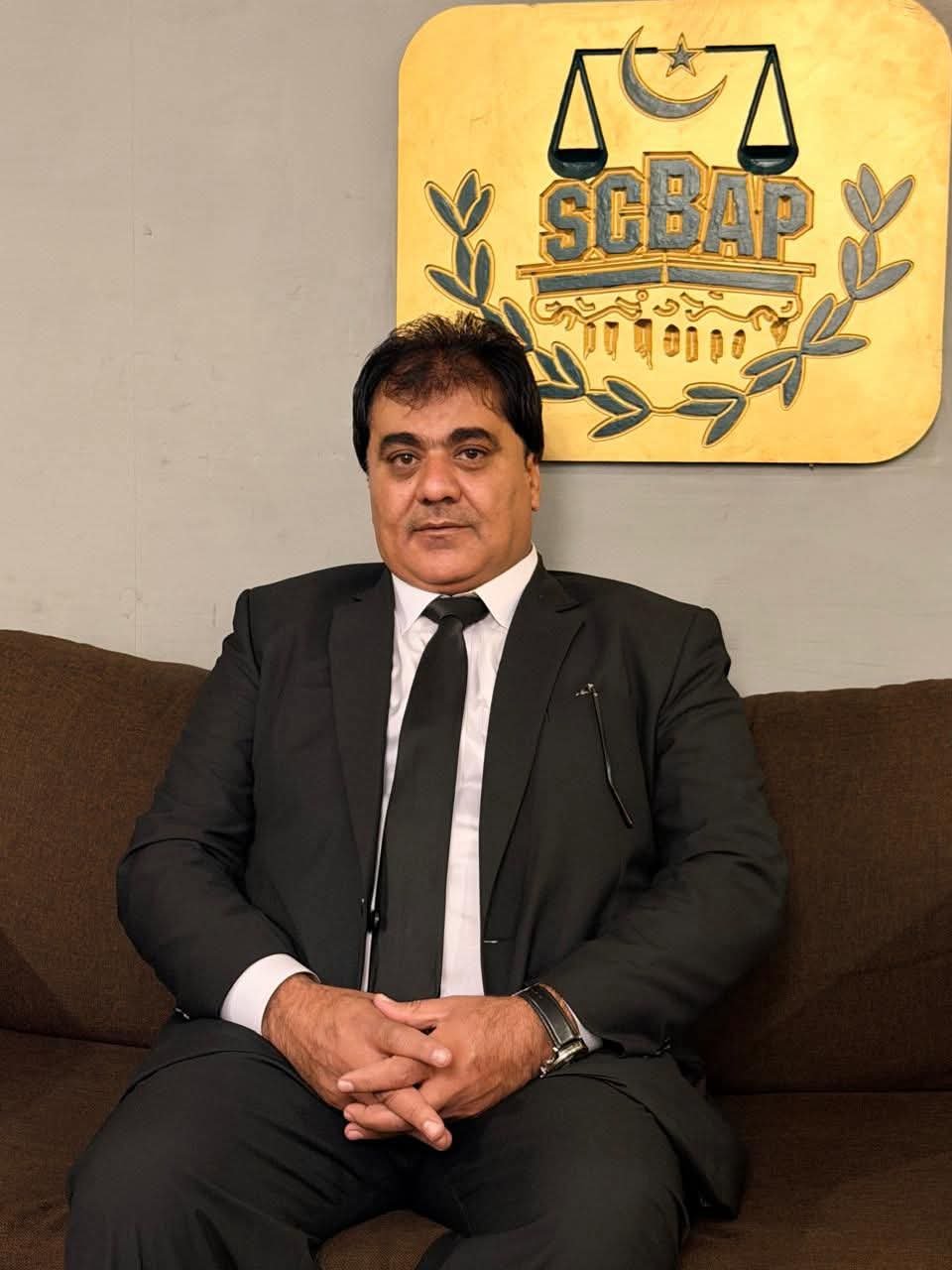
Chief Atta Ullah Baloch
Senior Criminal Defence Expert | MK Law Associates | 25+ Years Experience"A bounced cheque is not just a breach of trust; it is a serious legal liability. Whether you are initiating an FIR under 489-F PPC or filing a recovery suit under Order 37 CPC, obtaining the Bank Return Memo immediately is your most crucial first step. Do not delay—the law protects the vigilant." — Chief Atta Ullah Baloch, Senior Criminal Defence Expert
"چیک کا ڈس آنر ہونا محض اعتماد کو ٹھیس پہنچانا نہیں بلکہ ایک سنگین قانونی جرم ہے۔ 489-F کے تحت ایف آئی آر کروانا ہو یا آرڈر 37 کے تحت ریکوری سوٹ دائر کرنا ہو، بینک سے ڈس آنر میمو فوری حاصل کرنا آپ کا پہلا اور سب سے اہم قدم ہے۔ دیر نہ کریں—قانون چوکنا رہنے والوں کا تحفظ کرتا ہے۔"
Need Legal Help with a Bounced Cheque?
کیا آپ کو چیک باؤنس کے معاملے میں قانونی مدد چاہیے؟
If you are facing issues related to a bounced cheque—whether you want to file a case or defend one—our expert legal team is ready to assist you with professional drafting and representation.