Civil Law in Pakistan – Complete Guide to CPC, Property, Contracts & Civil Suits (2026)
The most comprehensive guide to civil law in Pakistan. Everything you need to know about CPC 1908, property disputes, contract enforcement, limitation periods, and civil court procedures.

Direct Answer: Civil law in Pakistan is the body of law governing disputes between private individuals, businesses, or organizations concerning rights, property, contracts, and obligations. It is primarily regulated by the Code of Civil Procedure (CPC) 1908, the Contract Act 1872, the Specific Relief Act 1877, and the Limitation Act 1908. Civil litigation begins with filing a Plaint in the appropriate civil court and may result in remedies such as damages, injunctions, declarations, or specific performance.
📌 Key Takeaways – Civil Law in Pakistan
- Primary Law: CPC 1908 governs all civil procedure
- Court Hierarchy: Senior Civil Judge → District Judge → High Court → Supreme Court
- Plaint: Filed under Order VII Rule 1 CPC
- Limitation: 3-12 years depending on suit type
- Injunctions: Order 39 Rules 1-2 CPC + Specific Relief Act
- Property Disputes: 60%+ of all civil litigation
- Contract Act 1872: Governs all agreements
- Arbitration: Faster alternative to litigation
📑 Contents – Civil Law in Pakistan
1. What is Civil Law in Pakistan?
Civil law in Pakistan constitutes the largest branch of the country's legal system. Unlike criminal law, which deals with offenses against the state (e.g., murder, theft, terrorism), civil law is primarily concerned with resolving disputes between private parties. These disputes may involve:
- Property Rights: Ownership, possession, partition, title disputes
- Contractual Obligations: Breach of contract, non-performance, damages
- Tortious Liability: Defamation, negligence, nuisance
- Family Matters: Divorce, maintenance, custody
- Inheritance: Succession, wills, estate distribution
When a person's civil rights are violated, they may file a Civil Suit in the relevant civil court seeking remedies such as:
| Remedy | Description |
|---|---|
| Damages | Monetary compensation for loss or injury |
| Injunction | Court order restraining a party from doing an act |
| Specific Performance | Court order compelling a party to fulfill a contract |
| Declaration | Court's formal statement of legal rights |
| Possession | Recovery of immovable property |
پاکستان میں سول قانون (دیوانی قانون) نظامِ انصاف کی سب سے بڑی شاخ ہے۔ یہ فوجداری قانون کے برعکس نجی افراد، کاروباروں، یا اداروں کے درمیان حقوق، جائیداد، معاہدوں، اور ذمہ داریوں سے متعلق تنازعات کو حل کرتا ہے۔ جب کسی کے دیوانی حقوق کی خلاف ورزی ہو تو وہ متعلقہ دیوانی عدالت میں "سول سوٹ" دائر کر سکتا ہے۔
2. Major Civil Laws in Pakistan
Civil litigation in Pakistan is governed by a network of interconnected statutes. The most fundamental laws every litigant and lawyer must understand are:
2.1 The Code of Civil Procedure (CPC) 1908
The CPC 1908 is the procedural backbone of civil litigation in Pakistan. It contains 158 Sections and 51 Orders with Rules. It dictates:
- Institution of Suits: Sections 15-20 define territorial and pecuniary jurisdiction
- Pleadings: Order VI governs Plaint and Written Statement
- Trial Procedure: Order XVIII (Hearing of Suit)
- Judgment and Decree: Order XX
- Execution: Order XXI (Enforcement of decrees)
- Appeals: Sections 96-112 and Orders XLI-XLIII
2.2 The Contract Act 1872
| Section | Topic |
|---|---|
| Section 2 | Interpretation (Proposal, Acceptance, Promise, Agreement, Contract) |
| Section 10 | Essentials of a valid contract |
| Section 17 | Fraud defined |
| Section 73 | Compensation for breach of contract |
| Section 74 | Liquidated damages and penalty |
2.3 The Specific Relief Act 1877
- Grant temporary and permanent injunctions (Sections 52-57)
- Order specific performance of contracts (Sections 12-30)
- Issue declaratory decrees (Section 42)
- Grant preventive relief (Chapter X)
2.4 The Limitation Act 1908
| Type of Suit | Limitation Period |
|---|---|
| Recovery of immovable property | 12 years |
| Money suit (loan recovery) | 3 years |
| Specific performance of contract | 3 years |
| Declaration | 6 years |
| Injunction | 6 years |
| Appeal to High Court | 90 days |
پاکستان میں سول قانون بنیادی طور پر چار اہم قوانین کے تحت چلتا ہے: (1) ضابطہ دیوانی (CPC) 1908 جو عدالتی طریقہ کار کا تعین کرتا ہے، (2) معاہدہ ایکٹ 1872 جو تمام معاہدوں کو کنٹرول کرتا ہے، (3) سپیسفک ریلیف ایکٹ 1877 جو عدالتوں کو حکم امتناعی اور مخصوص کارکردگی جیسی ہنگامی راحت فراہم کرنے کا اختیار دیتا ہے، اور (4) لمیٹیشن ایکٹ 1908 جو مقدمہ دائر کرنے کے لیے وقت کی حدود مقرر کرتا ہے۔
3. Civil Court Hierarchy in Pakistan
| Level | Court | Presiding Officer | Pecuniary Jurisdiction |
|---|---|---|---|
| 1 | Court of Senior Civil Judge | Senior Civil Judge | Up to Rs. 10 Million |
| 2 | Court of District Judge | District & Sessions Judge | Unlimited (Appellate/Original) |
| 3 | High Court | Bench of Hon'ble Judges | Appellate/Constitutional |
| 4 | Supreme Court of Pakistan | Full Bench | Final Appellate Authority |
Appeals Hierarchy
| From | Appeal Lies To |
|---|---|
| Senior Civil Judge | District Judge |
| District Judge | High Court |
| High Court (Single Bench) | Supreme Court |
پاکستان میں دیوانی عدالتوں کا درجہ بندی کا نظام چار سطحوں پر مشتمل ہے: (1) سینئر سول جج کی عدالت، (2) ڈسٹرکٹ جج کی عدالت، (3) ہائی کورٹ، اور (4) سپریم کورٹ آف پاکستان۔ سینئر سول جج کے فیصلے کے خلاف اپیل ڈسٹرکٹ جج کے پاس اور ڈسٹرکٹ جج کے فیصلے کے خلاف ہائی کورٹ میں دائر کی جاتی ہے۔
4. How to File a Civil Suit in Pakistan
Step-by-Step Process
| Step | Description |
|---|---|
| 1. Determine Jurisdiction | Identify court based on suit value (Pecuniary) and location (Territorial) |
| 2. Draft the Plaint | Under Order VII Rule 1 CPC: Court name, parties, facts, relief claimed, verification |
| 3. Pay Court Fees | Under Court Fees Act 1870 (ad valorem for money suits, fixed for injunctions) |
| 4. File the Plaint | Submit with copies, court fee stamps, Vakalatnama, document list |
| 5. Issuance of Summons | Order V CPC – Court issues summons to defendant(s) |
| 6. Written Statement | Order VIII CPC – Defendant must file within 30 days |
| 7. Framing of Issues | Order XIV CPC – Court frames precise points of dispute |
| 8. Evidence and Trial | Order XVIII CPC – Plaintiff presents evidence first, then defendant |
| 9. Judgment and Decree | Order XX CPC – Court pronounces judgment and draws up formal decree |
سول مقدمہ دائر کرنے کے لیے سب سے پہلے عدالتی دائرہ اختیار کا تعین کریں۔ پھر ایک درخواست (دعویٰ / Plaint) تیار کریں جس میں فریقین کے نام، واقعات، اور مطلوبہ راحت درج ہو۔ مقررہ کورٹ فیس جمع کرا کر یہ درخواست عدالت میں داخل کریں۔ عدالت مدعا علیہ کو سمن جاری کرے گی جس کے بعد اسے 30 دنوں کے اندر اپنا جواب داخل کرنا ہوگا۔
5. Property Law and Land Disputes
| Dispute Type | Description | Governing Law |
|---|---|---|
| Title Suit | Declaration of ownership | Specific Relief Act S.42 |
| Possession Suit | Recovery of illegal occupation | Specific Relief Act S.8-9 |
| Partition Suit | Division of joint property | Partition Act 1893 |
| Pre-emption Suit | Right of first refusal | Punjab Pre-emption Act 1991 |
جائیداد کے مقدمات پاکستان میں سب سے زیادہ عام ہیں۔ ان میں ملکیت کا اعلان، قبضے کی بازیابی، مشترکہ جائیداد کی تقسیم، اور حقِ شفع (Pre-emption) شامل ہیں۔ ٹرانسفر آف پراپرٹی ایکٹ 1882 کے تحت جائیداد کی فروخت، ہبہ، رہن، اور کرایہ داری کے قوانین وضع کیے گئے ہیں۔
6. Contract Law – Breach and Remedies
Essentials of a Valid Contract (Section 10):
- Offer and Acceptance
- Lawful Consideration
- Competent Parties
- Free Consent
- Lawful Object
Remedies for Breach (Sections 73-75)
| Remedy | Description |
|---|---|
| Damages | Monetary compensation for actual loss (Section 73) |
| Liquidated Damages | Pre-agreed amount in contract (Section 74) |
| Specific Performance | Court compels performance of contract |
| Injunction | Restrains breach of negative term |
معاہدہ ایکٹ 1872 کے تحت ایک درست معاہدے کے لیے ایجاب و قبول، قانونی عوض، مجاز فریقین، آزاد رضامندی، اور قانونی مقصد ضروری ہیں۔ اگر کوئی فریق معاہدے کی خلاف ورزی کرتا ہے تو متاثرہ فریق ہرجانہ یا معاہدے کی تکمیل کا دعویٰ کر سکتا ہے۔
7. Tort Law in Pakistan
| Tort | Definition | Example |
|---|---|---|
| Negligence | Breach of duty of care causing damage | Medical malpractice, road accidents |
| Defamation | Publication of false statement harming reputation | Libel (written) and Slander (spoken) |
| Nuisance | Unlawful interference with use/enjoyment of property | Noise pollution, obstruction |
| Trespass | Unlawful interference with person or property | Illegal entry, assault |
پاکستان میں ٹارٹ قانون غیر مدون ہے اور انگریزی کامن لا کے اصولوں پر مبنی ہے۔ عام ٹارٹس میں غفلت، ہتکِ عزت، خللِ مزاحمت، اور مداخلتِ غیر قانونی شامل ہیں۔ ہتکِ عزت کے لیے ڈیفیمیشن آرڈیننس 2002 کے تحت 50 ملین روپے تک ہرجانہ طلب کیا جا سکتا ہے۔
8. Limitation Law – Time Limits for Civil Cases
| Suit Type | Article | Period | Starting Point |
|---|---|---|---|
| Recovery of immovable property | 142 | 12 years | When possession becomes adverse |
| Money suit (loan) | 60-64 | 3 years | Date of loan/acknowledgment |
| Specific performance | 113 | 3 years | Date fixed for performance |
| Declaration | 120 | 6 years | When right to sue accrues |
| Execution of decree | 182 | 12 years | Date of decree |
لمیٹیشن ایکٹ 1908 سول مقدمات کے لیے سخت وقت کی حدود مقرر کرتا ہے۔ اگر مقررہ مدت گزر جانے کے بعد مقدمہ دائر کیا جائے تو وہ قانوناً ناقابلِ سماعت ہو جائے گا۔ قرض کی واپسی کا مقدمہ 3 سال، جائیداد کی بازیابی کا 12 سال، اور اپیل 90 دنوں میں دائر کرنی ضروری ہے۔
9. Specific Relief Act – Injunctions and Stay Orders
| Injunction Type | Section | Duration | Purpose |
|---|---|---|---|
| Temporary Injunction | Order 39 Rules 1-2 CPC | Until suit disposal | Maintain status quo |
| Perpetual Injunction | Sections 54-55 | Permanent | Prevent breach of obligation |
| Mandatory Injunction | Section 55 | Permanent | Compel performance of act |
Grounds for Temporary Injunction: Plaintiff must establish Prima Facie Case, Balance of Convenience, and Irreparable Loss.
سپیسفک ریلیف ایکٹ 1877 عدالتوں کو حکم امتناعی جاری کرنے کا اختیار دیتا ہے۔ اس کے لیے مدعی کو تین چیزیں ثابت کرنی ہوتی ہیں: (1) بظاہر مضبوط کیس، (2) سہولت کا توازن اس کے حق میں، اور (3) ناقابلِ تلافی نقصان کا اندیشہ۔
10. Arbitration vs Litigation in Pakistan
| Aspect | Arbitration | Litigation |
|---|---|---|
| Decision Maker | Arbitrator (private) | Judge (public official) |
| Time | 6-12 months | 2-10+ years |
| Cost | Generally lower | Higher |
| Appeal | Very limited | Multiple appellate forums |
| Privacy | Confidential | Public record |
ثالثی (Arbitration) عدالتی مقدمے کا ایک متبادل ہے جو کم وقت اور کم خرچ میں تنازعات کا حل فراہم کرتی ہے۔ یہ آربیٹریشن ایکٹ 1940 کے تحت چلتی ہے۔ ثالث کا فیصلہ حتمی ہوتا ہے اور اس کے خلاف اپیل کی گنجائش بہت محدود ہے۔
11. Land Acquisition Law and Compensation
| Step | Description |
|---|---|
| 1 | Preliminary Notification (Section 4) |
| 2 | Hearing of Objections (Section 5A) |
| 3 | Declaration of Acquisition (Section 6) |
| 4 | Award by Collector (Section 11) |
| 5 | Reference to Court (Section 18) for compensation dispute |
Compensation includes: Market Value + Severance Damage + 15% Solatium (compulsory).
For more on government-related legal matters, see our Corporate Law Pakistan guide.
لینڈ ایکوزیشن ایکٹ 1894 کے تحت حکومت عوامی منصوبوں کے لیے نجی زمین حاصل کر سکتی ہے۔ کلیکٹر معاوضے کا تعین کرتا ہے۔ اگر کوئی شخص معاوضے سے مطمئن نہ ہو تو وہ 6 ہفتوں کے اندر دفعہ 18 کے تحت عدالت سے رجوع کر سکتا ہے۔ معاوضے میں 15% لازمی اضافی رقم بھی شامل ہوتی ہے۔
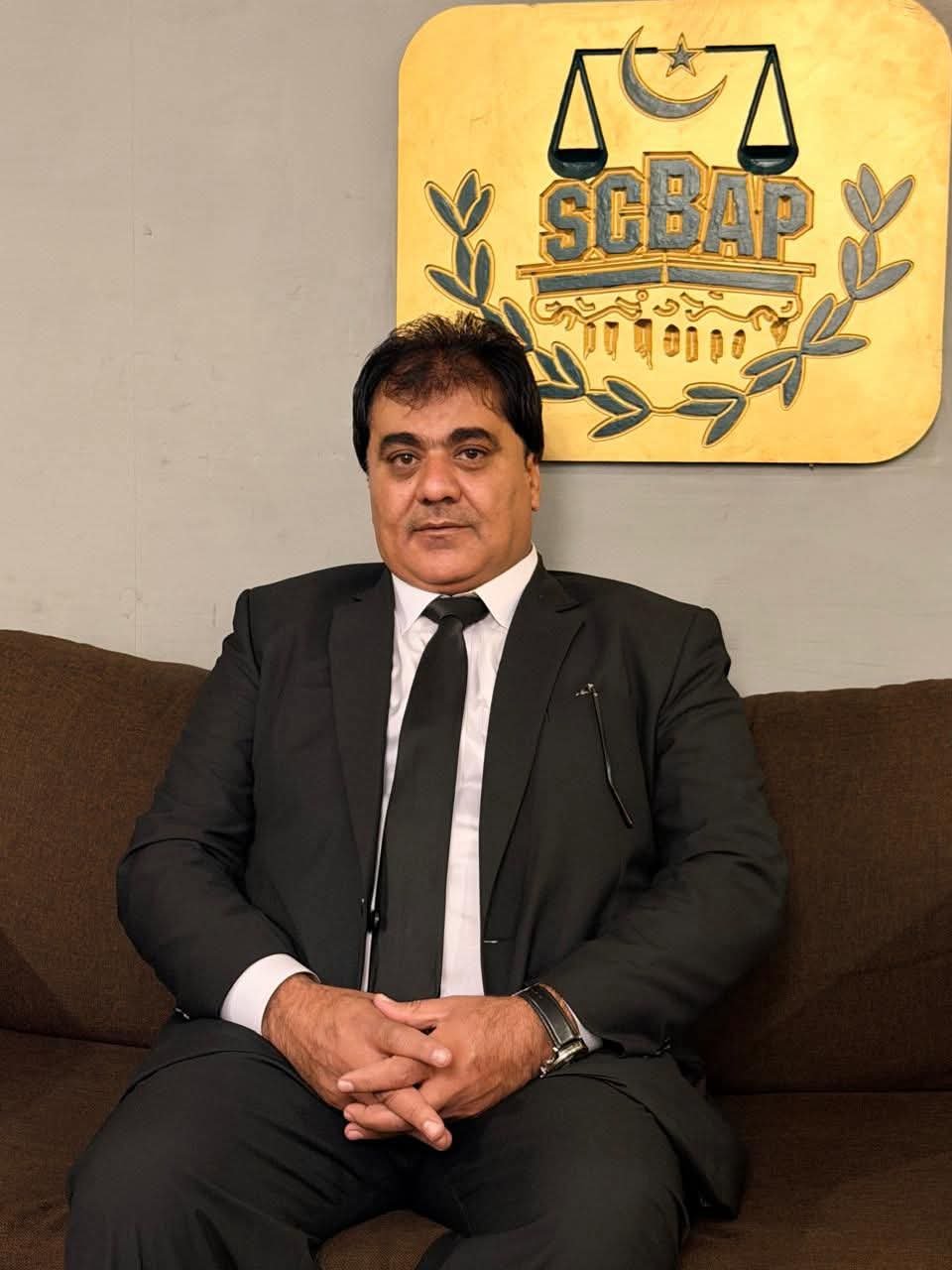
Chief Atta Ullah Baloch
Senior Family Law Expert | MK Law Associates ✓ 25+ years in High Courts & Sessions Courts of Pakistan ✓ Advocate High Court of Balochistan"Civil litigation in Pakistan is a marathon, not a sprint. The Code of Civil Procedure provides a robust framework, but its effectiveness depends entirely on the quality of pleadings and evidence. A well-drafted plaint under Order VII Rule 1 CPC is half the battle won. I always advise clients to prioritize documentation—every agreement, every payment receipt, every mutation record. In civil law, paper is power. Additionally, exploring ADR mechanisms like arbitration can save years of agony and significant expense. Before filing a suit, always check the Limitation Act; a meritorious case dismissed on limitation is a tragedy easily avoided."
"پاکستان میں سول قانون کا سفر طویل اور صبر آزما ہے۔ ضابطہ دیوانی (CPC) ایک مضبوط ڈھانچہ فراہم کرتا ہے لیکن اس کی کامیابی کا انحصار بہترین ڈرافٹنگ اور ٹھوس شواہد پر ہے۔ آرڈر 7 رول 1 کے تحت ایک مضبوط دعویٰ آدھی جنگ جیتنے کے مترادف ہے۔ میں ہمیشہ اپنے کلائنٹس کو دستاویزات کو اولین ترجیح دینے کا مشورہ دیتا ہوں—ہر معاہدہ، ہر ادائیگی کی رسید، ہر انتقال کا ریکارڈ۔ دیوانی قانون میں، کاغذ ہی طاقت ہے۔"
12. Frequently Asked Questions (FAQs)
❓ What is the difference between civil law and criminal law?
Civil law deals with disputes between private parties concerning rights, property, contracts, and obligations. Criminal law deals with offenses against the state where punishment is imprisonment or fine.
❓ What is the limitation period for filing a civil suit?
Limitation periods vary: Recovery of immovable property (12 years), Money suits (3 years), Specific performance (3 years), Declaration (6 years), Injunction (6 years), Appeals (90 days).
❓ How much court fee is required for a civil suit?
Court fees are calculated under the Court Fees Act 1870. For money suits, it's an ad valorem fee. For injunction suits, fixed fee applies.
❓ Can I file a civil suit without a lawyer?
Yes, any person can file a civil suit in person. However, civil procedure is highly technical. Professional legal representation is strongly recommended.
❓ What is an Ex-Parte Decree?
An Ex-Parte Decree is passed when defendant fails to appear. Defendant can apply under Order IX Rule 13 CPC to set it aside within 30 days of knowledge.
❓ Difference between temporary and permanent injunction?
A temporary injunction is granted during pendency of suit (Order 39 CPC). A permanent injunction is granted in final judgment (Sections 54-55 Specific Relief Act).
Need Legal Help? کیا آپ کو قانونی مدد چاہیے؟
Consult Chief Atta Ullah Baloch for expert advice on civil litigation, property disputes, and contract enforcement.
Official External Resources: Pakistan Code | Supreme Court of Pakistan | Lahore High Court | National Assembly