Khula Procedure in Pakistan
پاکستان میں خلع کا مکمل طریقہ کار — تحلیل ازدواج مسلمین ایکٹ 1939 کے تحت مکمل رہنماThe khula procedure in Pakistan is the legal path for a wife to seek dissolution of marriage through the Family Court. This complete guide to the khula procedure in Pakistan covers every step from filing the petition to obtaining the final decree, including khula in Islam, grounds, documents, duration, haq mehr return, and the exact court process. Written with the care and clarity that every woman deserves. Updated with 2025-2026 case laws.
Khula Procedure in Pakistan – Quick Answer
The khula procedure in Pakistan takes 3 to 6 months from filing to decree. The khula procedure in Pakistan involves six main steps: (1) Consult a family lawyer, (2) File khula petition in Family Court, (3) Court issues notice to husband, (4) Reconciliation attempts by the court, (5) Evidence and arguments from both parties, (6) Court issues khula decree dissolving the marriage. Under khula in Islam, a wife can seek divorce by returning haq mehr. The Supreme Court has held that the khula procedure in Pakistan can result in a decree even without the husband's consent.
📑 Table of Contents: Khula Procedure in Pakistan
Khula in Islam – The Foundation of Khula Procedure in Pakistan
The khula procedure in Pakistan is rooted in the Islamic right of a wife to seek dissolution of marriage. Khula in Islam allows a wife to separate from her husband by returning the dower (haq mehr) or giving compensation. The Quranic basis is derived from Surah Al-Baqarah (2:229). The famous case of the wife of Thabit ibn Qais established this principle in early Islamic history. She came to the Prophet Muhammad (PBUH) and said: "I do not complain against Thabit in matters of religion or character, but I fear disobedience in Islam." The Prophet asked her to return the garden given as dower, and the marriage was dissolved. This established that the khula procedure in Pakistan does not require the husband's consent when the wife has valid reasons.
Legal Basis of Khula Procedure in Pakistan
The khula procedure in Pakistan is governed by three main laws. First, the Dissolution of Muslim Marriages Act 1939 (Section 2) which lists 8 clear grounds for khula. Second, the Muslim Family Laws Ordinance 1961 which regulates the procedure and the role of the Arbitration Council. Third, the Family Courts Act 1964 (Section 12A) which requires the Family Court to decide the khula procedure in Pakistan within 6 months. The Supreme Court of Pakistan has consistently held that khula is a woman's absolute right and can be granted even without the husband's consent (2018 SCMR 123). This makes the khula procedure in Pakistan one of the strongest legal protections for married women.
Grounds for Khula Procedure in Pakistan Under DOMA 1939
Under the khula procedure in Pakistan, a wife can file for khula on any of the following 8 grounds:
| # | Ground for Khula | Waiting Period | اردو |
|---|---|---|---|
| 1 | Husband's whereabouts unknown | 4 years | شوہر کا پتہ نہ ہونا |
| 2 | Failure to maintain wife | 2 years | نان و نفقہ نہ دینا |
| 3 | Husband's imprisonment for 7+ years | 7 years | شوہر کی طویل قید |
| 4 | Husband's impotency | At wife's option | شوہر کی نامردی |
| 5 | Husband's insanity (incurable) | 2 years | شوہر کا لاعلاج پاگل پن |
| 6 | Cruelty by husband | No waiting period | شوہر کا ظلم و تشدد |
| 7 | Option of puberty (Khiyar-ul-bulugh) | Before age 18 | بلوغ کا اختیار |
| 8 | Any other valid reason under Muslim law | Court discretion | کوئی بھی معقول وجہ |
Step by Step Khula Procedure in Pakistan
The khula procedure in Pakistan follows a clear, step-by-step process through the Family Court. Here is exactly what happens at each stage of the khula procedure in Pakistan:
Step 1: Consult a Family Lawyer
The first step in the khula procedure in Pakistan is consulting an experienced family lawyer who specializes in divorce and separation cases. The lawyer will evaluate your case, advise on the best grounds for khula, and prepare the necessary documents.
Step 2: File Khula Petition in Family Court
Your lawyer will draft and file a khula petition as part of the formal khula procedure in Pakistan. The petition must state the grounds for khula, details of marriage, haq mehr amount, and any children from the marriage.
Step 3: Court Issues Notice to Husband
The court issues notice to the husband to appear and file a written statement within 30 days. Under the khula procedure in Pakistan, the court can grant khula even without husband's consent if he fails to appear.
Step 4: Reconciliation Attempts by Court
The Family Court must attempt reconciliation between the parties as a mandatory part of the khula procedure in Pakistan. The court appoints an Arbitration Council or tries to mediate. If reconciliation fails, the case proceeds to evidence.
Step 5: Evidence and Arguments
Both parties present evidence and arguments. The wife must prove the grounds for khula as part of the khula procedure in Pakistan. Witnesses may be called. The court may also consider the return of haq mehr.
Step 6: Court Issues Khula Decree
If the court is satisfied, it completes the khula procedure in Pakistan by issuing a khula decree dissolving the marriage. The marriage is dissolved from the date of the decree. The wife observes iddat (90 days) before remarrying.
Not sure whether to file for Khula or wait for Talaq? Compare both paths:
📖 Read our Khula vs Talaq Complete Comparison Guide →If your husband is willing to cooperate, consider Mutual Divorce:
🤝 Read our Mutual Divorce vs Khula Comparison Guide →Documents Required for Khula Procedure in Pakistan
To begin the khula procedure in Pakistan, you must gather the following documents:
- Certified copy of Nikahnama (marriage certificate)
- CNIC copies of wife and husband
- Proof of haq mehr (amount mentioned in Nikahnama)
- Children's birth certificates (if applicable)
- Evidence supporting grounds (medical reports, police complaints, witness affidavits)
- Proof of residence (for court jurisdiction)
Khula Papers – Sample Application Format for Khula Procedure in Pakistan
Below is the standard format used in the khula procedure in Pakistan for filing the petition:
IN THE FAMILY COURT AT [CITY NAME]
Family Suit No. _____ of 2026
IN THE MATTER OF: Khula Petition under Section 2 of DOMA 1939
BETWEEN:
[Wife's Full Name], Daughter of [Father's Name], Resident of [Complete Address] ... PETITIONER
AND
[Husband's Full Name], Son of [Father's Name], Resident of [Complete Address] ... RESPONDENT
PETITION FOR KHULA
The petitioner respectfully states that:
- The petitioner and respondent were married on [date] according to Muslim law.
- From the said marriage, [number] children were born / no child was born.
- The petitioner is living separately from the respondent since [date] due to [state grounds].
- Despite several attempts, reconciliation has failed.
- The petitioner hereby returns the haq mehr of Rs. [amount].
PRAYER: It is prayed that khula decree be granted.
PETITIONER
Through Advocate
How Long Does Khula Procedure in Pakistan Take?
The khula procedure in Pakistan typically takes 3 to 6 months from filing to decree. If the husband consents, the khula procedure in Pakistan can be completed in 2-3 months. If the husband contests the case, the khula procedure in Pakistan may extend to 8-10 months. Under Section 12A of the Family Courts Act 1964, the court is legally required to decide the khula procedure in Pakistan within 6 months. However, practical delays due to court workload, adjournments sought by the husband, and complexity of evidence can extend this timeline.
Haq Mehr Return in Khula Procedure in Pakistan
An important part of the khula procedure in Pakistan is the return of haq mehr. Under khula in Islam, the wife is generally required to return the haq mehr or pay compensation (badl-e-khula) to the husband. However, the khula procedure in Pakistan allows the court discretion. If the husband was cruel, failed to maintain the wife, or if the khula is based on the husband's fault, the court may waive the return entirely. The Supreme Court in PLD 2023 SC 45 held that return of haq mehr is not mandatory in all cases under the khula procedure in Pakistan.
Landmark Case Laws on Khula Procedure in Pakistan
| Case Citation | Key Ruling on Khula Procedure in Pakistan |
|---|---|
| 2018 SCMR 123 | Khula can be granted without husband's consent – wife's absolute right under the khula procedure in Pakistan. |
| PLD 2023 SC 45 | Return of haq mehr not mandatory in all cases – court has discretion in the khula procedure in Pakistan. |
| 2024 SCMR 89 | Khula granted on basis of irretrievable breakdown – wife not required to prove fault. |
| 2025 MLD 156 | Failure to maintain wife for 2 years is sufficient ground under the khula procedure in Pakistan. |
Frequently Asked Questions – Khula Procedure in Pakistan
Q1: How long does the khula procedure in Pakistan take?
The khula procedure in Pakistan typically takes 3 to 6 months from filing to decree. If husband consents, 2-3 months. If contested, up to 8-10 months.
Q2: Can the khula procedure in Pakistan be done without the husband's consent?
Yes. The Supreme Court has clearly ruled that the khula procedure in Pakistan can result in a decree even without the husband's consent (2018 SCMR 123).
Q3: Is haq mehr return mandatory in the khula procedure in Pakistan?
Generally yes, but the court may waive the return if the husband is cruel or has failed to maintain the wife.
Q4: What is the iddat period after the khula procedure in Pakistan?
90 days or 3 menstrual cycles. The wife cannot remarry during this period.
Q5: Which court handles the khula procedure in Pakistan?
The Family Court having jurisdiction where the wife resides or where the marriage took place.
Q6: Can I get maintenance during the khula procedure in Pakistan?
Yes. The wife can claim interim maintenance while the khula procedure in Pakistan is ongoing.
Q7: What is the difference between khula procedure and talaq procedure in Pakistan?
Khula is initiated by the wife through Family Court. Talaq is initiated by the husband. Read our Khula vs Talaq comparison.
Q8: Can I start the khula procedure in Pakistan if my husband lives abroad?
Yes. The Family Court can serve notice overseas and proceed ex-parte if the husband fails to appear.
Q9: What happens to children after the khula procedure in Pakistan?
Mother gets custody of young children (sons up to age 7, daughters up to puberty). Father remains the natural guardian. Read our Custody vs Guardianship guide.
Q10: Is a lawyer necessary for the khula procedure in Pakistan?
Not legally mandatory, but highly recommended. A skilled family lawyer ensures proper drafting of the petition, correct legal grounds, and effective representation throughout the khula procedure in Pakistan.
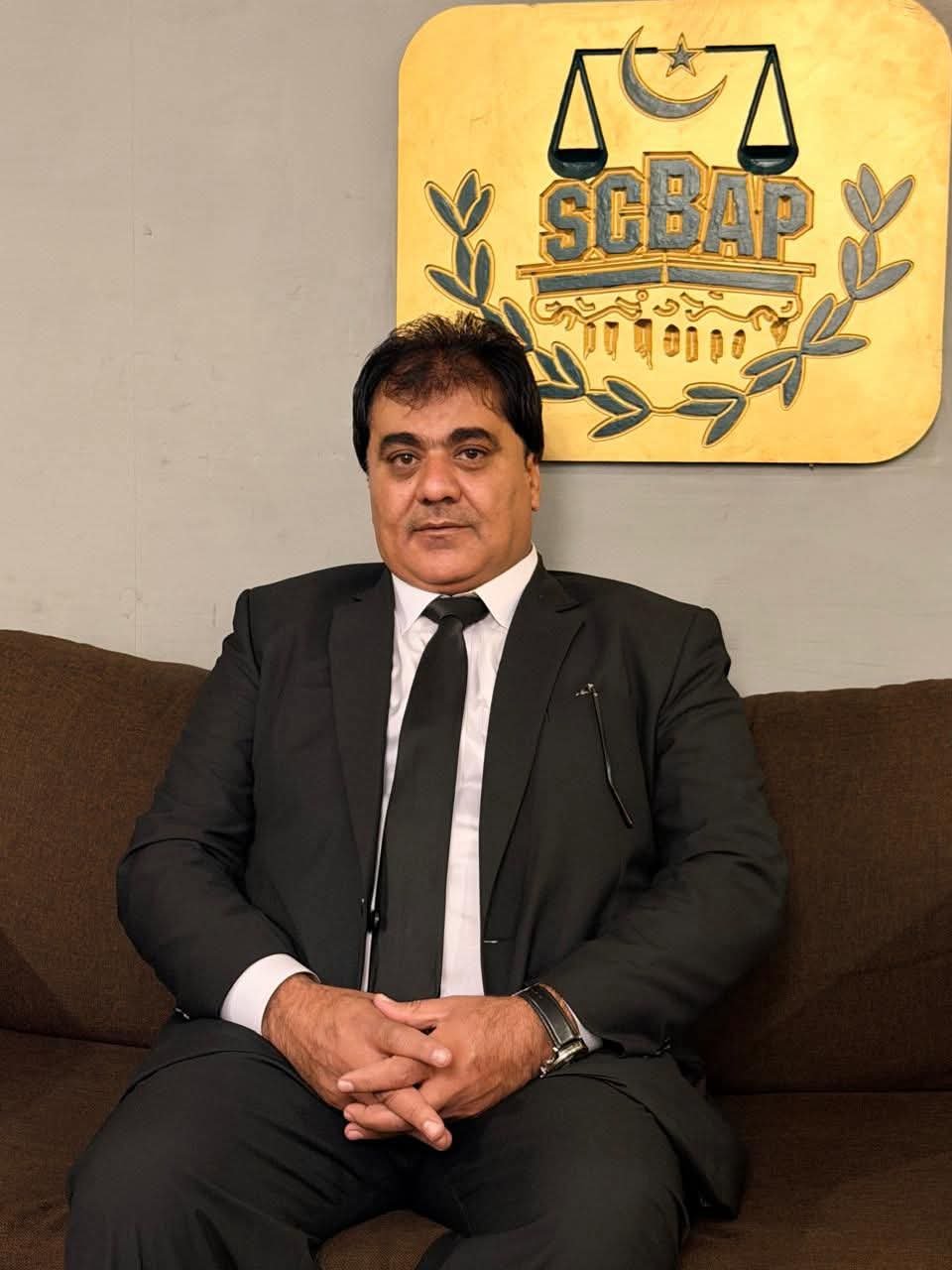
Chief Atta Ullah Baloch
Senior Family Law Expert | MK Law Associates
Need to Start the Khula Procedure in Pakistan?
Our expert lawyers can guide you through every step of the khula procedure in Pakistan. We prepare your khula papers, file your petition, and represent you in Family Court.