Theft and Robbery in Pakistan – Complete Guide to PPC Sections 378-402
Theft and Robbery in Pakistan are among the most frequently reported criminal offenses, governed by Chapter XVII of the Pakistan Penal Code (PPC) 1860. Prepared by Chief Atta Ullah Baloch of MK Legal Hub. See our Virtual Clerk Service for professionally drafted FIRs and bail petitions, and our Legal Drafting Hub for free templates.
⚡ Facing Theft or Robbery Charges? Get Expert Defence Now
📞 WhatsApp for Legal HelpTheft and Robbery in Pakistan are defined in PPC Chapter XVII. Theft (S.378) is dishonestly taking movable property without consent — 3 years imprisonment + fine. Robbery (S.390) is theft with violence or threat — 7-10 years imprisonment. Dacoity (S.391) is robbery by 5+ persons — life imprisonment possible. For evidence handling, see Chain of Custody. For bail strategy, see How to Get Bail.
پاکستان میں چوری اور ڈکیتی PPC کے باب 17 میں بیان ہیں۔ چوری (دفعہ 378) بے ایمانی سے بغیر اجازت منقولہ جائیداد لینا ہے — 3 سال قید۔ ڈکیتی (دفعہ 390) تشدد کے ساتھ چوری ہے — 7 سے 10 سال قید۔ قزاقی (دفعہ 391) 5 یا زیادہ افراد کی ڈکیتی ہے — عمر قید ممکن۔ ثبوت کے لیے Chain of Custody اور ضمانت کے لیے How to Get Bail دیکھیں۔
⚡ Theft and Robbery in Pakistan – Key Takeaways
📋 Theft and Robbery in Pakistan – Offenses & Punishments
Theft and Robbery in Pakistan are classified under Chapter XVII of the PPC with escalating punishments based on severity, violence used, and number of perpetrators involved. The following table provides a complete overview of all major property crime sections, their respective punishments, and bail eligibility status under CrPC 1898.
پاکستان میں چوری اور ڈکیتی PPC کے باب 17 کے تحت درجہ بند ہیں — شدت، تشدد، اور مجرموں کی تعداد کے مطابق سزائیں بڑھتی جاتی ہیں۔ نیچے دی گئی جدول تمام بڑے جرائم، ان کی سزاؤں، اور ضمانت کی اہلیت کا مکمل جائزہ فراہم کرتی ہے۔
| Offense | Section PPC | Punishment | Bailable? |
|---|---|---|---|
| Theft | 378/379 | 3 years + fine | ✅ Yes |
| Theft in Dwelling | 380 | 7 years + fine | ❌ No |
| Theft by Clerk/Servant | 381 | 7 years + fine | ❌ No |
| Robbery | 390/392 | 7-10 years + fine | ❌ No |
| Dacoity | 391/395 | Life or 10-14 years | ❌ No |
| Dacoity with Murder | 396 | Death or Life | ❌ No |
Legal Definitions Under PPC – Theft, Robbery & Dacoity
1. Theft (Section 378 PPC): "Whoever, intending to take dishonestly any movable property out of the possession of any person without that person's consent, moves that property in order to such taking, is said to commit theft." The essential ingredients are: (a) dishonest intention, (b) movable property, (c) property must be in possession of another, (d) taking without consent, (e) physical movement of property. For evidence handling of stolen property, see Chain of Custody Guide.
چوری (دفعہ 378 PPC): جو شخص بے ایمانی سے کسی شخص کی تحویل سے اس کی رضامندی کے بغیر کوئی منقولہ جائیداد لینے کی نیت سے اس جائیداد کو حرکت دے، وہ چوری کا مرتکب ہے۔ ضروری عناصر: بے ایمانی کی نیت، منقولہ جائیداد، دوسرے کی تحویل، بغیر رضامندی، اور جائیداد کو حرکت دینا۔ چوری کے مقدمات میں ثبوت کے لیے Chain of Custody گائیڈ دیکھیں۔
2. Robbery (Section 390 PPC): Theft becomes robbery when violence or threat of violence is used. In all robbery there is either theft or extortion. The violence must be causally connected to the theft — either to commit the theft, to carry away the property, or to attempt to flee. For trial procedures, see Criminal Trial Procedure.
ڈکیتی (دفعہ 390 PPC): جب چوری میں تشدد یا تشدد کی دھمکی استعمال ہو تو وہ ڈکیتی بن جاتی ہے۔ ہر ڈکیتی میں یا تو چوری ہوتی ہے یا بھتہ۔ تشدد کا چوری سے براہ راست تعلق ہونا چاہیے — یا تو چوری کرنے کے لیے، جائیداد لے جانے کے لیے، یا فرار ہونے کی کوشش کے دوران۔
3. Dacoity (Section 391 PPC): Robbery committed by 5 or more persons is dacoity. This is the most serious property crime under PPC. The number of persons is the key differentiator — if 4 persons commit robbery, it remains robbery; if 5 or more, it becomes dacoity. Murder Defence applies if death occurs during dacoity (S.396).
قزاقی (دفعہ 391 PPC): 5 یا اس سے زیادہ افراد کی طرف سے کی گئی ڈکیتی قزاقی کہلاتی ہے۔ PPC کے تحت یہ سب سے سنگین جائیداد کا جرم ہے۔ افراد کی تعداد بنیادی فرق ہے — اگر 4 افراد ڈکیتی کریں تو ڈکیتی رہتی ہے، 5 یا زیادہ ہوں تو قزاقی بن جاتی ہے۔ اگر قزاقی کے دوران قتل ہو جائے تو Murder Defence لاگو ہوگی۔
⚖️ Key Distinction: Theft becomes Robbery when violence or threat is used. Robbery becomes Dacoity when committed by 5 or more persons. This hierarchical classification determines punishment, bail, and trial court jurisdiction.
📝 Need a Court-Ready FIR or Bail Petition for a Theft/Robbery Case?
Don't risk rejection from poorly drafted applications. Our Virtual Clerk Service delivers professionally formatted theft complaints, robbery FIR responses, bail petitions, and Supardari applications — ready within 24 hours. Also explore free legal drafting templates & smart tools.
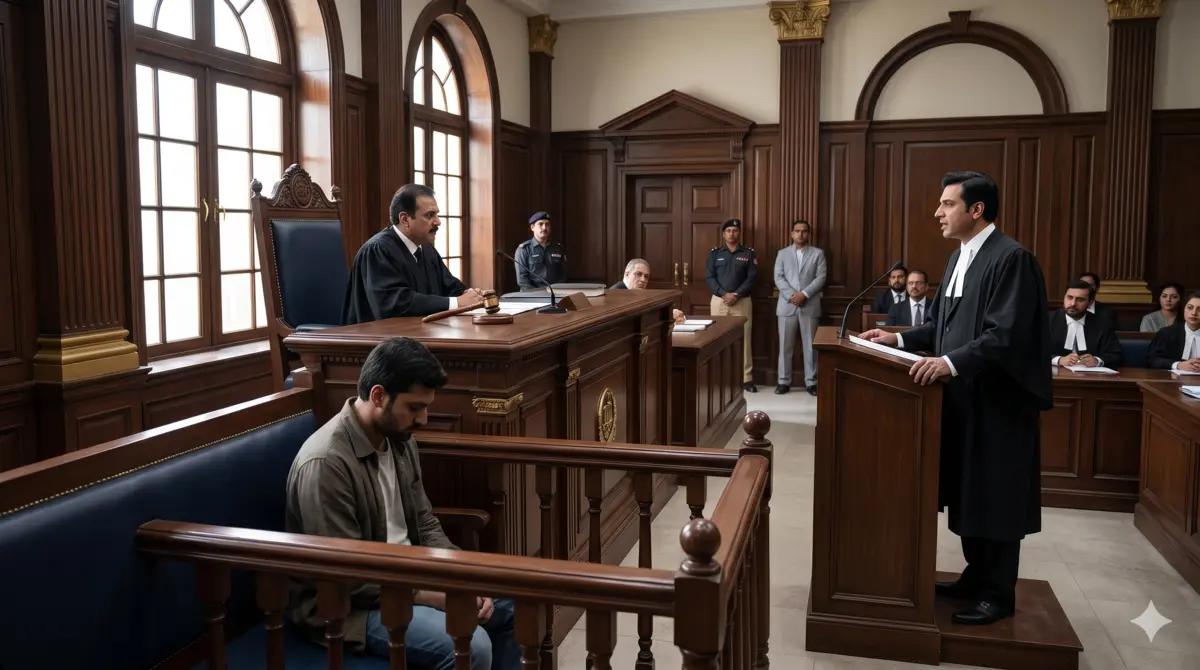
A criminal trial in a Pakistani Sessions Court under the procedure laid down in the CrPC 1898.
پاکستانی سیشن عدالت میں ضابطہ فوجداری 1898 کے تحت فوجداری مقدمے کی کارروائی۔
Bail in Theft, Robbery & Dacoity Cases
Bail eligibility in Theft and Robbery in Pakistan varies dramatically based on the specific PPC section invoked. For a deeper understanding, see our guide on How to Get Bail in Pakistan. Pre-arrest protection is covered in Pre-Arrest Bail and post-arrest release in Post-Arrest Bail.
چوری اور ڈکیتی کے مقدمات میں ضمانت کی اہلیت PPC کی مخصوص دفعہ پر منحصر ہے۔ عام چوری قابل ضمانت ہے جبکہ ڈکیتی اور قزاقی ناقابل ضمانت ہیں — ان میں ضمانت عدالت کی صوابدید پر ہے۔
| Offense | Section | Bailable? | Bail Grounds |
|---|---|---|---|
| Simple Theft | 379 PPC | ✅ Yes | Right under S.496 CrPC |
| Theft in Dwelling | 380 PPC | ❌ No | Discretionary under S.497 CrPC |
| Robbery | 392 PPC | ❌ No | Delay in FIR, false implication, no recovery |
| Dacoity | 395 PPC | ❌ No | Exceptional circumstances only |
Proven Defence Strategies
The most effective defence strategies in Theft and Robbery in Pakistan cases focus on either challenging the prosecution's evidence or establishing the accused's legal right or innocence. Each strategy must be tailored to the specific facts of the case.
پاکستان میں چوری اور ڈکیتی کے مقدمات میں سب سے مؤثر دفاعی حکمت عملیاں یا تو استغاثہ کے ثبوت کو چیلنج کرنے پر مرکوز ہوتی ہیں یا ملزم کے قانونی حق یا بے گناہی کو ثابت کرنے پر۔
| Defence Strategy | Application |
|---|---|
| No Dishonest Intention | Taking was under bona fide claim of right — civil dispute, not criminal |
| No Recovery | Prosecution fails to link accused — challenge Chain of Custody |
| Delay in FIR | Unexplained delay creates doubt — see FIR Filing Mistakes |
| False Implication | Evidence of enmity or civil dispute — assert Rights of Accused |
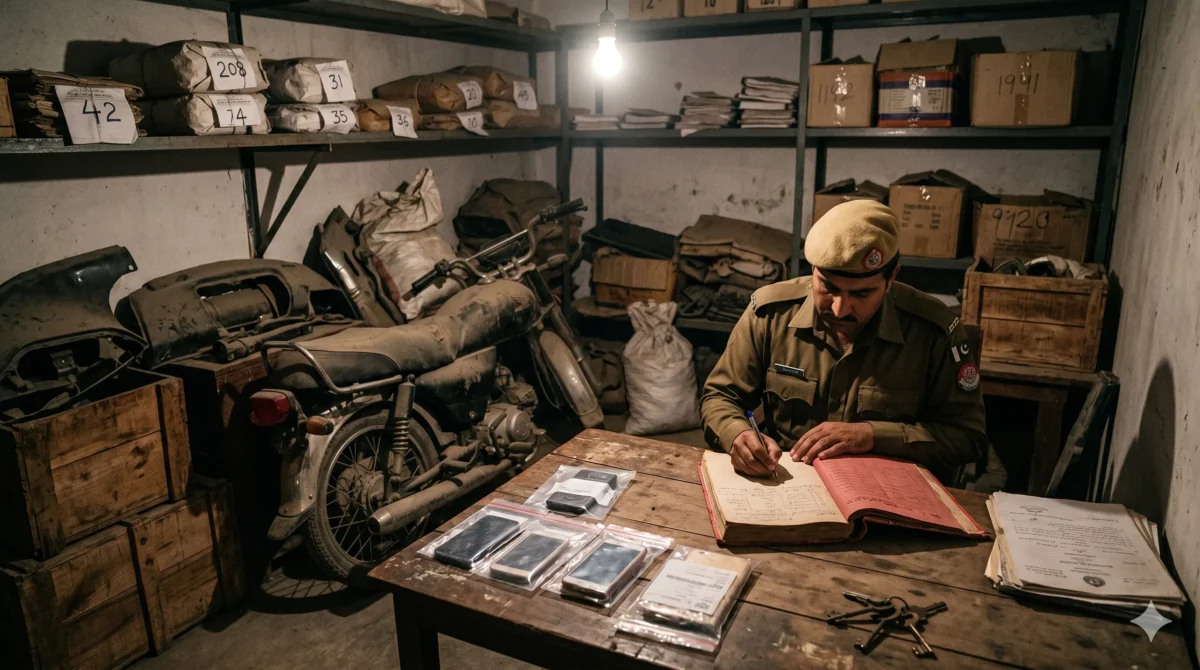
Seized property in police Mal Khana. Recovery is crucial evidence under Qanun-e-Shahadat Order 1984.
پولیس مال خانہ میں ضبط شدہ جائیداد۔ ریکوری قانون شہادت آرڈر 1984 کے تحت اہم ثبوت ہے۔

Chief Atta Ullah Baloch
Senior Criminal Defence Expert | MK Legal Hub | 25+ Years Experience
"In my 25 years of defending clients accused of Theft and Robbery in Pakistan, the most common mistake I see is the failure to challenge the recovery memo. Always cross-examine the IO on the exact place of recovery and the presence of independent witnesses. These technical defences win cases. If you need professionally drafted bail petitions or defence documents, our Virtual Clerk Service can prepare them within 24 hours."— Chief Atta Ullah Baloch, Senior Advocate
❓ Frequently Asked Questions (FAQs)
Under Section 379 PPC, simple theft: imprisonment up to 3 years, or fine, or both. For theft in dwelling (S.380): up to 7 years. For theft by clerk/servant (S.381): up to 7 years + fine.
Theft is taking property without consent. Robbery = theft + violence or threat of violence. Robbery is always non-bailable and carries heavier punishment (7-10 years).
Robbery by 5 or more persons is dacoity (Section 391 PPC). The number of accused is the sole differentiator — 4 persons = robbery, 5+ = dacoity.
Simple theft (379 PPC) is bailable as a matter of right. Theft in dwelling (380) and robbery (392) are non-bailable — bail is at court's discretion under S.497 CrPC.
Yes, theft under Section 379 PPC is compoundable with court permission under Section 345 CrPC. The victim may forgive the accused upon receiving compensation.
Immediately secure legal representation. Gather evidence of your whereabouts (alibi), preserve any documents showing enmity or civil dispute with the complainant, and apply for pre-arrest bail. Use our Virtual Clerk Service for urgent bail petition drafting.
Facing Theft or Robbery Charges?
پاکستان میں چوری یا ڈکیتی کے الزامات کا سامنا ہے؟