Family Law in Pakistan
پاکستان میں خاندانی قانون — مسلم فیملی لاز آرڈیننس 1961 کا مکمل رہنماComplete guide to family law in Pakistan under Muslim Family Laws Ordinance 1961. Learn about marriage (Nikah), divorce (Talaq), Khula, child custody (Hizanat), maintenance (Nafaqa), and Family Court procedure. Includes detailed comparison guides. Updated with 2025-2026 case laws.
📚 Official Legal Resources: Pakistan Code (MFLO 1961) | Supreme Court of Pakistan | NADRA Pakistan
📑 Explore The Guide
Introduction to Family Law in Pakistan
Family law in Pakistan governs personal matters including marriage, divorce, khula, maintenance, child custody, and inheritance. The primary legislation for Muslims in Pakistan is the Muslim Family Laws Ordinance (MFLO) 1961. Understanding family law in Pakistan is essential for every citizen, especially women, as it protects their rights in marriage and divorce. This comprehensive guide covers every aspect of family law in Pakistan with practical procedures, latest case laws, and Urdu translations.
Legal Framework for Family Law in Pakistan
| Law Name | Year | Key Provisions | اردو نام |
|---|---|---|---|
| Muslim Family Laws Ordinance | 1961 | Sections 5-13 - Marriage, divorce, maintenance, polygamy | مسلم فیملی لاز آرڈیننس |
| West Pakistan Family Courts Act | 1964 | Sections 1-25 - Family court procedure, Section 12A (6 months decision) | فیملی کورٹس ایکٹ |
| Dissolution of Muslim Marriages Act | 1939 | Section 2 - Grounds for khula/faskh | مسلم شادیوں کی تنسیخ ایکٹ |
| Guardian and Wards Act | 1890 | Sections 1-55 - Child custody, guardianship, welfare of minor | گارڈین اینڈ وارڈز ایکٹ |
⚖️ Family Law in Pakistan: Complete Comparison Guides
Confused between two legal paths in family law in Pakistan? Our detailed comparison guides help you make the right decision for your situation.
دو قانونی راستوں میں الجھن ہے؟ ہمارے تفصیلی تقابلی گائیڈز آپ کو صحیح فیصلہ کرنے میں مدد دیتے ہیں۔
Khula vs Talaq
خلع یا طلاقNot sure whether to file for Khula or wait for Talaq? Understand the difference between wife-initiated and husband-initiated divorce in family law in Pakistan.
Compare Khula & TalaqCourt Marriage vs Nikah Registration
کورٹ میرج یا نکاح رجسٹریشنPlanning to get married? Know the difference between Court Marriage and Nikah Registration before you decide which path to take.
Compare Marriage PathsChild Custody vs Guardianship
کسٹڈی یا گارڈین شپWho gets the child? Understand the crucial difference between Child Custody (Hizanat) and Guardianship under Pakistani law.
Compare Custody & GuardianshipMutual Divorce vs Khula
باہمی طلاق یا خلعWhich is the more peaceful path? Compare Mutual Divorce (both agree) with Khula (wife initiates) in family law in Pakistan.
Compare Mutual Divorce & KhulaHaq Mehr vs Maintenance
حق مہر یا نان و نفقہKnow your full financial rights as a wife. Understand the difference between Haq Mehr (one-time dower) and Maintenance (ongoing support).
Compare Haq Mehr & MaintenanceNikah & Marriage
نکاح اور شادیComplete guide to marriage requirements, Nikahnama clauses, registration under Section 5 MFLO, dower (mehr), and legal formalities under family law in Pakistan.
Read Full GuideTalaq Procedure
طلاق کا طریقہ کارStep-by-step talaq procedure under Section 7 MFLO 1961. Notice to Union Council, 90-day reconciliation period, and legal requirements. → Khula vs Talaq Comparison
Read Full GuideKhula (Wife Divorce)
خلع (بیوی کی طرف سے طلاق)Wife's right to khula under Dissolution of Muslim Marriages Act 1939. Grounds, court procedure, return of haq mehr. → Mutual Divorce vs Khula
Read Full GuideChild Custody (Hizanat)
بچوں کی تحویل (حضانت)Mother's right of hizanat, father's guardianship, welfare of minor principle under Guardian and Wards Act 1890. → Custody vs Guardianship
Read Full GuideMaintenance (Nafaqa)
نان و نفقہWife maintenance, child maintenance under Section 9 MFLO 1961. How to claim and enforce maintenance orders. → Haq Mehr vs Maintenance
Read Full GuideFamily Courts
فیملی کورٹسFiling procedure, evidence, timeline under Section 12A (6 months decision), appeals, and enforcement of decrees under Family Courts Act 1964.
Read Full GuideNikah (Marriage) Under Family Law in Pakistan
Under family law in Pakistan, Nikah is a sacred contract between a man and a woman. Legal requirements include offer and acceptance (ijab-o-qubool), presence of two adult Muslim witnesses, payment of haq mehr (dower), and registration with the Union Council under Section 5 of MFLO 1961.
| # | Requirement | Explanation | اردو |
|---|---|---|---|
| 1 | Offer and Acceptance | Must be in one sitting | ایجاب و قبول |
| 2 | Free Consent | No coercion or fraud | آزاد رضامندی |
| 3 | Competent Parties | Adult (18+ male, 16+ female) | اہلیت |
| 4 | Two Male Witnesses | Must be present | دو گواہ |
| 5 | Dower (Mehr) | Specified amount | مہر |
Under family law in Pakistan, second marriage requires written permission from the Arbitration Council under Section 6 MFLO 1961.
Talaq Procedure Under Section 7 of MFLO 1961
Family law in Pakistan regulates talaq strictly under Section 7 of MFLO 1961. The husband must give written notice to the Union Council and the wife. A 90-day reconciliation period follows.
| Step | Action Required | Timeline | اردو |
|---|---|---|---|
| 1 | Husband gives written notice of talaq | Day of talaq | تحریری اطلاع |
| 2 | Notice sent to Union Council | Within 24 hours | یونین کونسل کو بھیجیں |
| 3 | Arbitration Council constituted | Within 30 days | ثالثی کونسل بنائیں |
| 4 | Attempt at reconciliation | 30 to 90 days | صلح کی کوشش |
| 5 | Talaq takes effect | After 90 days | طلاق نافذ |
Under family law in Pakistan, triple talaq pronounced in one sitting (talaq-e-bidat) is invalid as per PLD 2020 SC 1.
Khula Under Dissolution of Muslim Marriages Act 1939
Family law in Pakistan grants women the right to seek khula under the Dissolution of Muslim Marriages Act 1939. The Supreme Court has held that khula can be granted without husband's consent.
| # | Ground for Khula | Waiting Period | اردو |
|---|---|---|---|
| 1 | Husband's whereabouts unknown | 4 years | شوہر کا پتہ نہ ہونا |
| 2 | Failure to maintain wife | 2 years | نان و نفقہ نہ دینا |
| 3 | Imprisonment of husband | 7 years | قید |
| 4 | Cruelty by husband | No waiting period | ظلم و تشدد |
| 5 | Any other valid reason | Court discretion | کوئی بھی معقول وجہ |
Under family law in Pakistan, khula typically takes 3 to 6 months. The wife may be required to return the haq mehr.
Child Custody (Hizanat) Under Guardian and Wards Act 1890
Family law in Pakistan prioritizes the welfare of the minor child. Under the Guardian and Wards Act 1890, Section 7 establishes that the welfare of the minor is the paramount consideration.
| Child | Custody with Mother Until | Custody with Father After | اردو |
|---|---|---|---|
| Son | 7 years of age | After 7 years | بیٹا |
| Daughter | Puberty (14-15 years) | After puberty | بیٹی |
Maintenance (Nafaqa) Under Section 9 of MFLO 1961
Family law in Pakistan imposes a duty on husbands to provide maintenance (nafaqa) to their wives and children under Section 9 of MFLO 1961.
| Recipient | General Quantum | Legal Basis | اردو |
|---|---|---|---|
| Wife | 20% to 30% of husband's income | Section 9 MFLO | بیوی |
| Children (per child) | 10% to 15% of father's income | Guardian and Wards Act 1890 | بچے |
| Parents | Reasonable amount based on need | Muslim personal law | والدین |
Family Courts Procedure Under Family Courts Act 1964
Under family law in Pakistan, Family Courts have exclusive jurisdiction. Section 12A requires decisions within 6 months.
| Case Type | Time Limit | Appeal Forum | اردو |
|---|---|---|---|
| Dissolution of Marriage | 6 months | High Court | نکاح کی تنسیخ |
| Maintenance | 6 months | High Court | نان و نفقہ |
| Child Custody | 6 months | High Court | بچوں کی تحویل |
Landmark Case Laws on Family Law in Pakistan
| Case Citation | Key Ruling |
|---|---|
| PLD 2020 SC 1 | Triple talaq pronounced in one sitting is invalid under family law in Pakistan. |
| 2018 SCMR 123 | Khula can be granted without husband's consent under family law in Pakistan. |
| PLD 2023 SC 45 | Wife's right to khula on basis of irretrievable breakdown — return of haq mehr sufficient compensation. |
| 2024 SCMR 234 | Welfare of minor is paramount — mother's custody right not absolute if she is unfit. |
| 2025 MLD 123 | Unregistered talaq without Union Council notice is invalid. |
Frequently Asked Questions on Family Law in Pakistan
خاندانی قانون سے متعلق اکثر پوچھے جانے والے سوالاتWhat is the legal age for marriage in Pakistan?
Under family law in Pakistan, 18 years for males and 16 years for females. In Sindh province, both must be 18 years under Sindh Child Marriage Restraint Act 2013.
Is triple talaq valid in Pakistan?
No. Under family law in Pakistan, triple talaq (talaq-e-bidat) pronounced in one sitting is invalid as per PLD 2020 SC 1.
Can a woman get khula without husband's consent?
Yes. Under family law in Pakistan, the Supreme Court has held that khula can be granted without husband's consent (2018 SCMR 123).
Khula kitne din mein ho jata hai?
Khula typically takes 3 to 6 months from filing to decree, depending on court workload and whether the husband contests.
Bachay ki custody kis ko milti hai?
Mother has preferential right for son up to age 7 and daughter up to puberty. However, court always prioritizes the child's welfare under family law in Pakistan.
Biwi ko kharcha kaise mile ga?
File a maintenance suit in Family Court under Section 9 MFLO. The court determines amount based on husband's income and wife's needs.
What is the time limit for Family Court decisions?
Under Section 12A of the Family Courts Act 1964, Family Courts must decide cases within 6 months under family law in Pakistan.
Second marriage without permission allowed?
No. Section 6 MFLO requires Arbitration Council permission. Without permission, the marriage is irregular and husband faces penalties.
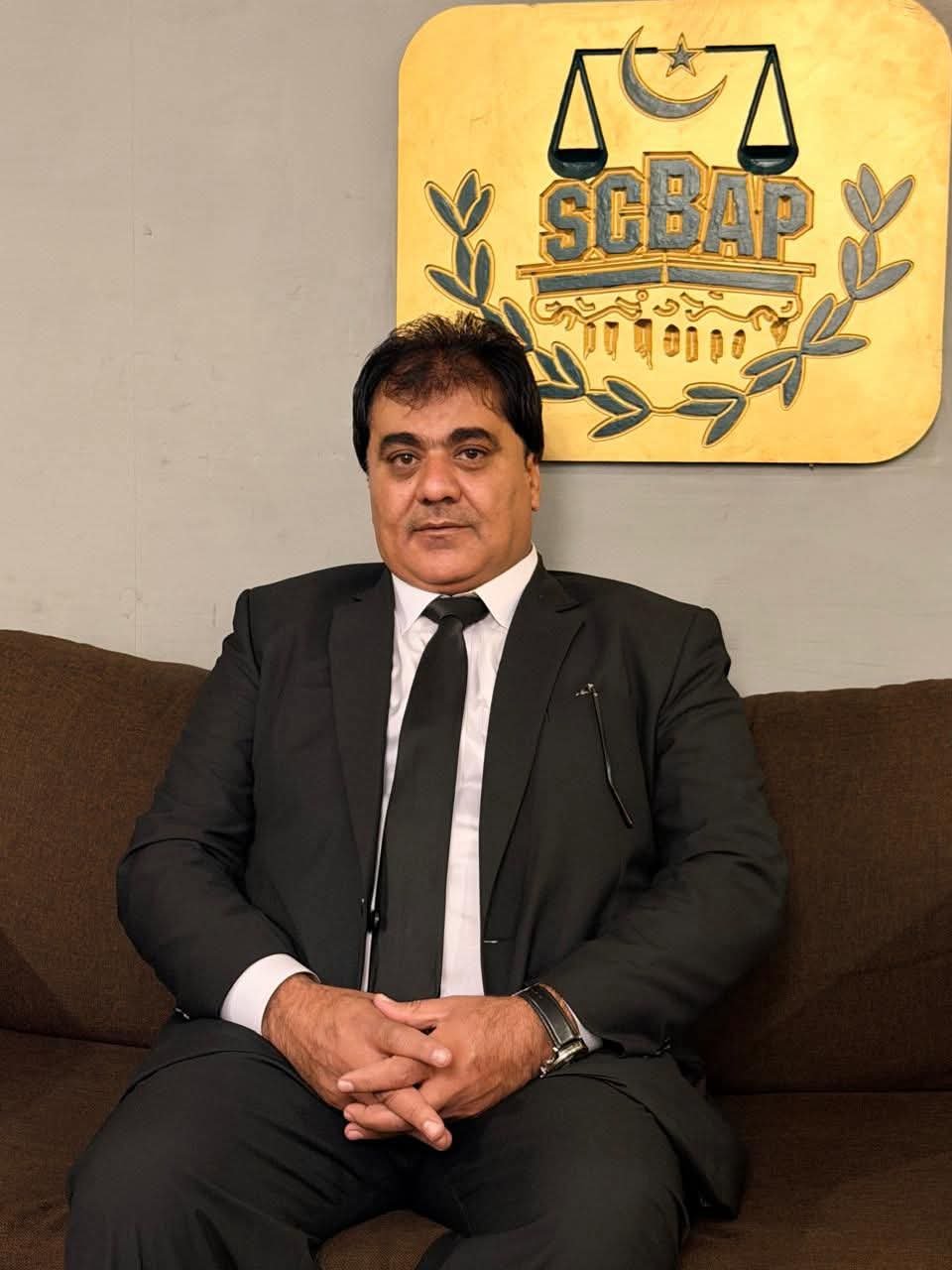
Chief Atta Ullah Baloch
Senior Family Law Expert | MK Law Associates ✓ 25+ years in High Courts & Sessions Courts of PakistanNeed Legal Help?
Our expert team at MK Law Associates specializes in family law in Pakistan. Get professional legal drafting for Nikahnama, Talaq notice, Khula petition, Maintenance claims, and Custody petitions.