MK Legal Hub

Hurt Laws in Pakistan – PPC Sections, Punishment & Procedure (2026 Complete Guide) | MK Legal Hub

Hurt Laws in Pakistan – PPC Sections, Punishment & Procedure (2026 Complete Guide)

پاکستان میں جسمانی چوٹ (Hurt) کے قوانین – PPC دفعات، سزائیں اور طریقہ کار

Everything you need to know about hurt laws in Pakistan — from PPC Sections 332-337-L, Itlaf-i-Udw and Shajjah classification, to Arsh calculation, MLC procedure, bail strategy, and trial process. A definitive guide by Chief Atta Ullah Baloch, Senior Advocate with 35+ years of criminal defence experience.

⚡ Hurt Laws in Pakistan – Complete Overview

📜 Legal Framework: PPC Sections 332-337-L + Qisas & Diyat Ordinance 1990
🔑 Injury Types: Itlaf-i-Udw, Itlaf-i-Salahiyyat, Shajjah (6 types), Jurh Jaifah, Ghayr-Jaifah (6 types)
⚖️ Punishments: Qisas (retribution), Arsh (compensation up to 100% Diyat Kamil), Daman, imprisonment up to 10 years
🏥 Medical Evidence: MLC under Section 174 CrPC is the single most important document
🔓 Bail: Delay in medical = strongest ground; minor hurt bailable, serious hurt non-bailable
🤝 Compromise: Section 345 CrPC allows compounding in most hurt cases
📅 Appeal: 30 days to High Court, then Supreme Court
📍 Local: Experienced representation in Mastung, Quetta & Balochistan courts
📄 Legal Drafting: Get professional MLC-based petitions & bail drafts — court-ready, 24h delivery

1. Understanding Hurt Under the Pakistan Penal Code

The term "Hurt" under the Pakistan Penal Code carries a specific legal meaning distinct from everyday usage. Section 332 PPC provides the foundational definition: whoever causes pain, disease, or infirmity to any person commits hurt. However, the legal architecture from Sections 333 to 337-L expands this into a detailed taxonomy of injuries—each with its own classification, punishment, and procedural implications. The Qisas and Diyat Ordinance, 1990 replaced colonial-era injury classifications with Islamic jurisprudential concepts of Qisas (retribution), Arsh (financial compensation), and Daman (damages for minor injuries).

پاکستان پینل کوڈ میں "Hurt" کی قانونی تعریف عام زبان سے مختلف ہے۔ دفعہ 332 PPC بنیادی تعریف فراہم کرتی ہے: جو شخص کسی دوسرے کو درد، بیماری، یا کمزوری پہنچائے وہ Hurt کا مرتکب ہے۔ 1990 کے قصاص و دیت آرڈیننس نے زخموں کی درجہ بندی کو اسلامی فقہ کے قصاص، عرش اور دمن کے تصورات سے بدل دیا۔ اس قانون نے نہ صرف سزاؤں کا تعین کیا بلکہ متاثرہ شخص کو یہ حق بھی دیا کہ وہ مجرم کو معاف کر سکتا ہے، معاوضہ لے سکتا ہے، یا بدلہ لے سکتا ہے۔

2. Complete Classification of Hurt Injuries Under PPC

2.1 Itlaf-i-Udw (اتلافِ عضو) – Permanent Organ Loss

Section 333 PPC defines Itlaf-i-Udw as the severing, separation, or permanent disablement of any organ or limb. Common examples: amputation of a hand at the wrist, severing of a foot, removal of an eye. Section 334 prescribes punishment: Qisas if possible and demanded by the victim; otherwise Arsh plus imprisonment up to 10 years. The organ must be permanently lost—this is the defining element.

دفعہ 333 PPC کے تحت اتلافِ عضو اس وقت ہوتا ہے جب جسم کا کوئی عضو کاٹ دیا جائے، الگ کر دیا جائے، یا مستقل طور پر بیکار کر دیا جائے۔ عام مثالوں میں کلائی سے ہاتھ کا کٹ جانا، پاؤں کا الگ ہو جانا، یا آنکھ کا نکالا جانا شامل ہیں۔ دفعہ 334 کے تحت سزا: اگر ممکن ہو تو قصاص (جسمانی بدلہ)، ورنہ عرش (مالی معاوضہ) کے ساتھ 10 سال تک قید۔ اہم عنصر مستقل مزاجی ہے — نقصان ناقابلِ واپسی ہونا چاہیے۔

2.2 Itlaf-i-Salahiyyat-i-Udw (اتلافِ صلاحیتِ عضو) – Permanent Function Loss

Section 335 PPC covers cases where the organ remains physically present but its function is permanently destroyed. Examples: blindness, deafness, paralysis of a limb, muteness. Section 336 prescribes the same punishment structure as Itlaf-i-Udw. The court typically constitutes a Medical Board to assess whether the function loss is complete, permanent, and attributable to the incident.

دفعہ 335 PPC کے تحت اتلافِ صلاحیتِ عضو اس وقت ہوتا ہے جب عضو جسمانی طور پر موجود رہے لیکن اس کی صلاحیت مستقل ختم ہو جائے۔ مثال: بینائی کا چلا جانا (اندھا پن)، سماعت کا ختم ہو جانا (بہرا پن)، چلنے کی صلاحیت کا ختم ہونا (فالج)۔ عدالت میڈیکل بورڈ تشکیل دیتی ہے جو نقصان کی نوعیت، مکمل یا جزوی ہونے، اور مستقل یا عارضی ہونے کا تعین کرتا ہے۔

Six types of Shajjah head injuries under Section 337-A Pakistan Penal Code - Khafifah to Damighah diagram

Six types of Shajjah head injuries under Section 337-A PPC: Khafifah, Mudihah, Hashimah, Munaqqilah, Ammah, and Damighah.

دفعہ 337-A PPC کے تحت شجہ کی چھ اقسام: خفیہ، موضحہ، ہاشمہ، منقلہ، آمہ، اور دامغہ۔ ہر قسم زخم کی گہرائی اور شدت کی بنیاد پر الگ سزا رکھتی ہے۔

2.3 Shajjah (شجہ) – Six Types of Head & Face Injuries

Section 337-A PPC exclusively governs wounds to the head and face, classified by wound depth:

TypeUrduDepthSection
KhafifahخفیہBone not visible; superficial337-A(i)
MudihahموضحہBone visible but not fractured337-A(ii)
HashimahہاشمہBone fractured but not displaced337-A(iii)
MunaqqilahمنقلہBone fractured and displaced337-A(iv)
AmmahآمہWound reaches brain membrane337-A(v)
DamighahدامغہBrain membrane torn; brain damage337-A(vi)

شجہ کی چھ اقسام میں سے خفیہ سب سے ہلکی اور دامغہ سب سے سنگین ہے۔ دامغہ میں دماغ کی جھلی پھٹ جاتی ہے اور دماغ کو نقصان پہنچتا ہے — اس کی سزا سب سے زیادہ ہے۔ عدالت MLC رپورٹ کی بنیاد پر طے کرتی ہے کہ زخم کس زمرے میں آتا ہے۔

2.4 Jurh (جُرح) – Body Wounds (Other Than Head/Face)

Jaifah (جائفہ) – Section 337-C: Wound penetrating a body cavity (abdomen, chest) reaching internal organs. Punishment: Daman + imprisonment up to 10 years. Ghayr-Jaifah (غیر جائفہ) – Section 337-F: Deep wounds not penetrating a cavity. Six sub-types: Damiyah (blood flows), Badiah (flesh cut), Mutalahimah (deep into flesh), Mudihah (bone visible), Hashimah (bone fractures), Munaqqilah (bone displaces).

جائفہ – دفعہ 337-C: وہ زخم جو جسم کے کسی خلا (پیٹ، سینے) میں داخل ہو کر اندرونی اعضاء تک پہنچ جائے۔ غیر جائفہ – دفعہ 337-F: چھ ذیلی اقسام: دامیہ (خون نکل آئے)، باضعہ (گوشت کٹ جائے)، متلاحمہ (گوشت کے اندر گہرا اتر جائے)، موضحہ (ہڈی نظر آ جائے)، ہاشمہ (ہڈی ٹوٹ جائے)، منقلہ (ہڈی ٹوٹ کر سرک جائے)۔

2.5 Other Hurt-Related Offences

Itlaf-i-Ghayr-Amd (S.337-L): Accidental injury — lighter punishment, typically Arsh without imprisonment. Hurt by Poison (S.337-J): Administering poison or stupefying substance — treated as distinct offence due to premeditated nature. Hurt by Rash/Negligent Driving (S.337-G): Arsh + up to 2 years imprisonment.

اتلافِ غیر عمد (دفعہ 337-L): حادثاتی چوٹ — ہلکی سزا، عام طور پر قید کے بغیر صرف عرش۔ زہر دے کر چوٹ پہنچانا (دفعہ 337-J): زہر یا نشہ آور چیز دے کر Hurt پہنچانا — منصوبہ بند جرم ہونے کی وجہ سے الگ اور سخت سزا۔

3. Punishment Framework – Qisas, Arsh & Daman

3.1 The Three Categories of Hurt Punishment

PunishmentNatureWhen Applied
Qisas (قصاص)Retribution in kind — convict suffers same injuryIntentional hurt; identical organ; victim demands; medically possible
Arsh (عرش)Fixed financial compensation — % of Diyat KamilOrgan loss or permanent disability; mandatory under Shariah
Daman (دمن)Discretionary compensation — medical costs + painMinor injuries not reaching organ loss level
Ta'zir (تعزیر)State imprisonment + fineCan be combined with any of the above; up to 10 years

3.2 Arsh Calculation Table

Arsh is calculated as a percentage of Diyat Kamil (value of 30.63 kg silver). Current approximate: PKR 7.65 million (at PKR 250,000/kg silver).

Injury% of Diyat KamilEstimated Arsh (PKR)
Both Hands / Both Feet / Both Eyes / Complete Nose / Tongue100%~76.5 Lakh
One Hand / One Foot / One Eye50%~38.25 Lakh
Shajjah Damighah (Brain membrane torn)50%~38.25 Lakh
Shajjah Ammah / Jurh Jaifah33%~25.5 Lakh
Shajjah Munaqqilah15%~11.5 Lakh
Shajjah Hashimah10%~7.65 Lakh
Shajjah Mudihah5%~3.8 Lakh

3.3 Imprisonment Terms by Injury Type

OffenceMax ImprisonmentBailable?
Itlaf-i-Udw (Organ Loss)10 years❌ Non-Bailable
Itlaf-i-Salahiyyat (Function Loss)10 years❌ Non-Bailable
Shajjah Damighah10 years❌ Non-Bailable
Shajjah Ammah7-10 years⚠️ Non-Bailable
Jurh Jaifah10 years❌ Non-Bailable
Ghayr-Jaifah (Mudihah/Hashimah/Munaqqilah)3-7 years⚠️ May be Non-Bailable
Simple Hurt (Damiyah, Khafifah)1-3 years✔️ Bailable
Hurt by Rash Driving (S.337-G)2 years✔️ Bailable

4. Medical Evidence & Legal Procedure After Injury

MLC in hurt cases procedure Pakistan – Medico-Legal Certificate on desk

Medico-Legal Certificate (MLC) — the most critical document in any hurt case in Pakistan.

میڈیکو لیگل سرٹیفکیٹ (MLC) — پاکستان میں Hurt کیس کی سب سے اہم دستاویز۔ بغیر MLC کے Hurt کا مقدمہ تقریباً ناممکن ہے۔

4.1 The First 24 Hours — Critical Steps

✅ Step 1: Go to the nearest police station and obtain a Police Rukka describing the injuries.
✅ Step 2: Proceed to a Government Hospital's Medico-Legal Department with the Rukka. Get an MLC prepared. Tell the doctor every detail — wound location, weapon used, time of incident.
✅ Step 3: After MLC, return to the police station and file an FIR with the correct PPC sections. Insist on mentioning all injuries.
✅ Step 4: If police refuse FIR, file petition under Section 22-A or 22-B CrPC before the concerned Magistrate or Justice of Peace.
✅ Step 5: Consult an experienced criminal lawyer immediately. Time is the most valuable asset.

پہلے 24 گھنٹے سب سے اہم ہیں۔ پولیس رقعہ حاصل کریں، سرکاری ہسپتال جا کر MLC بنوائیں، اور پھر ایف آئی آر درج کروائیں۔ اگر پولیس انکار کرے تو 22-A یا 22-B کے تحت مجسٹریٹ سے رجوع کریں۔ فوراً کسی تجربہ کار وکیل سے مشورہ کریں۔

4.2 How to Read an MLC — What Each Section Means

A standard MLC contains: Identification (patient name, age, father's name, Police Rukka number); Wound Description (size, shape, location, depth of each wound); Weapon Assessment (sharp-edged, blunt, firearm — deduced from wound characteristics); Age of Injury (estimated time since injury based on colour, swelling, clotting); Final Opinion (simple, grievous, or dangerous to life).

4.3 Weapon Type Identification from Wound Characteristics

Sharp-edged weapon (knife, razor): Clean cut, smooth edges. Blunt weapon (stick, brick): Swelling, bruising, lacerated edges. Firearm: Small entry wound, larger exit wound, gunpowder marks. This analysis is critical because if the MLC's weapon assessment contradicts the FIR's allegation, the accused gains a powerful defence argument.

4.4 The Doctor as Expert Witness — Defence Cross-Examination

Under Qanun-e-Shahadat Order, Article 59, the medical officer is an expert witness whose opinion carries significant weight. Defence counsel will invariably attack: (1) Age of injury — "Can you swear the wound was inflicted on the date stated in the FIR?" (2) Weapon type — "Could this wound have been caused by a fall?" (3) Self-infliction — "Is it possible the wound was self-inflicted later?" A well-prepared medical officer who can withstand cross-examination often decides the case.

⚠️ CRITICAL WARNING: Delay in obtaining the MLC is the single most common reason strong cases collapse. If there is a gap of 24+ hours between injury and MLC without reasonable explanation, the court will extend the Benefit of Doubt to the accused — often resulting in acquittal.

4.5 Trial Procedure — Step-by-Step

1. Investigation: Police record statements (S.161 CrPC), collect evidence, arrest accused. 2. Challan: Final report submitted under S.173 CrPC. 3. Cognizance: Magistrate or Sessions Court takes cognizance (depending on injury severity). 4. Charge Framing: Accused informed of charges; plea recorded. 5. Prosecution Evidence: Medical Officer cross-examined, eyewitnesses testify. 6. Statement of Accused: Under S.342 CrPC. 7. Defence Evidence: If any. 8. Final Arguments. 9. Judgment. — Trial duration: typically 6 months to 2 years.

5. Bail in Hurt Cases — Grounds, Strategy & Procedure

5.1 Bailable vs Non-Bailable Hurt Offences

Bailable (right to bail): Simple Hurt under S.337 (Damiyah, Khafifah), Hurt by Rash Driving (S.337-G). Non-Bailable (court discretion): Shajjah Hashimah, Munaqqilah, Ammah, Damighah, Jurh Jaifah, Itlaf-i-Udw, Itlaf-i-Salahiyyat.

5.2 Delay in Medical — The Strongest Ground for Bail

If there is unreasonable delay between the injury and the MLC, and the prosecution cannot explain it (e.g., victim was unconscious, hospital was far, police delayed the Rukka), the court considers this a strong indication of fabrication. This is the defence's most powerful argument for both Pre-Arrest Bail and Post-Arrest Bail.

5.3 Pre-Arrest vs Post-Arrest Bail Strategy

Pre-Arrest Bail (S.498 CrPC): Defence must show: (1) pre-existing enmity — false case; (2) MLC contradicts complainant's version; (3) accused will cooperate with investigation. Post-Arrest Bail (S.497 CrPC): Key arguments: injury is minor; witnesses are relatives (not independent); accused has no criminal record; evidence is collected — no flight risk. For ready-made petitions, use our Smart Bail Petition Generator.

6. Compromise & Settlement — Section 345 CrPC

Most hurt cases are compoundable — the victim can forgive the accused (with or without compensation). Compoundable: Minor hurt (Damiyah, Badiah), most Shajjah types where the state is not a necessary party. Non-Compoundable: Itlaf-i-Udw, Shajjah Damighah (where Qisas is demanded). The victim has three options: (1) Qisas — demand retribution; (2) Arsh — accept compensation and forgive; (3) Free Forgiveness — forgive without compensation. Court must approve every compromise to ensure no duress was involved.

زیادہ تر Hurt مقدمات قابلِ صلح ہیں — متاثرہ مجرم کو معاف کر سکتا ہے۔ تین اختیارات: قصاص (بدلہ)، عرش (معاوضہ لے کر معافی)، مفت معافی۔ عدالت کو ہر صلح کی منظوری ضرور دینی چاہیے تاکہ یقینی بنایا جا سکے کہ متاثرہ پر کوئی دباؤ تو نہیں ڈالا گیا۔

📝 Need a Court-Ready Document for a Hurt Case?

Don't risk rejection from poorly drafted MLC-based petitions or bail applications. Our Legal Drafting Service delivers professionally formatted FIR responses, bail petitions, and medico-legal documents — ready within 24 hours.

7. Appeals in Hurt Cases

AppealForumTime Limit
Against Conviction/AcquittalSession Court → High Court30 Days
Against High Court JudgmentHigh Court → Supreme Court30 Days
Review PetitionSame Court30 Days

Key Case Laws: PLD 1999 SC 1 (Qisas conditions), PLD 2005 SC 456 (Silver price standard for Arsh), 2018 SCMR 345 (Pre-Arrest Bail in hurt cases). Explore our Case Laws Database for more precedents.

8. Common Mistakes That Destroy Hurt Cases

❌ Exaggerating the injury in FIR: If the FIR says "life-threatening" but the MLC shows Damiyah, the contradiction destroys credibility. ❌ Treating at home or private clinic first: Only a Government Hospital MLC carries full legal weight. ❌ Delaying the MLC: Every hour of delay strengthens the accused's defence. ❌ Ignoring witness preparation: Eyewitnesses must be consistent with the medical report. ❌ Wrong PPC section in FIR: An incorrect section can lead to the case being tried in the wrong court or bail being wrongly granted.

عام غلطیاں: ایف آئی آر میں زخم کو بڑھا چڑھا کر بیان کرنا، سرکاری ہسپتال کی بجائے پرائیویٹ کلینک جانا، MLC میں تاخیر کرنا، گواہوں کو تیار نہ کرنا، اور غلط PPC دفعہ لکھوانا — یہ سب مقدمہ کمزور کرتی ہیں۔

9. Hurt Cases in Mastung & Balochistan — Local Counsel

If you are facing a hurt case in Mastung, Quetta, or anywhere in Balochistan, local representation is critical. District Courts in Balochistan, the Balochistan High Court, and Sessions Courts each have distinct practices — particularly regarding Arsh in tribal areas where Jirga systems may operate parallel to formal courts. Our team at MK Legal Hub has extensive experience before all these forums and provides: FIR drafting, bail petitions, medical report analysis, Arsh/Daman calculation, trial representation, and appeals. Contact us for immediate assistance.

مستونگ، کوئٹہ، اور بلوچستان میں Hurt مقدمات کے لیے مقامی وکیل کی نمائندگی انتہائی اہم ہے۔ قبائلی علاقوں میں جرگہ نظام کے ساتھ ساتھ عدالتی کارروائی کو سمجھنا ضروری ہے۔

10. Frequently Asked Questions (FAQs)

Q1: What is the legal definition of Hurt under PPC?
Section 332 PPC defines hurt as causing pain, disease, or infirmity to any person. The detailed classification from Sections 333-337-L covers Itlaf-i-Udw, Itlaf-i-Salahiyyat, Shajjah (6 types), Jurh Jaifah, and Ghayr-Jaifah (6 types).
Q2: Can a minor scratch be considered Hurt under PPC?
No. A mere scratch without blood or tissue damage generally does not qualify. The injury must be classifiable into one of the PPC categories (e.g., Damiyah, Shajjah).
Q3: What is the maximum punishment for a hurt case in Pakistan?
Up to 10 years imprisonment for Itlaf-i-Udw (organ loss), Itlaf-i-Salahiyyat (permanent function loss), Shajjah Damighah, and Jurh Jaifah — plus Arsh compensation and possible Qisas.
Q4: How is Arsh calculated?
Arsh = % of Diyat Kamil (30.63 kg silver value). One hand = 50%, one eye = 50%, Damighah = 50%, Ammah/Jaifah = 33%, Munaqqilah = 15%, Hashimah = 10%, Mudihah = 5%. Use our sidebar calculator for estimates.
Q5: When does Qisas apply in hurt cases?
Qisas applies when: (1) the injury was intentional, (2) the organ is identical, (3) the victim or legal heirs demand it, and (4) it is medically possible to execute without causing disproportionate harm or death.
Q6: Can a hurt case be settled through compromise?
Yes. Most hurt cases are compoundable under Section 345 CrPC. The victim can forgive the accused (with Arsh, Daman, or free forgiveness). The court must approve the compromise.
Q7: What is the strongest ground for bail in a hurt case?
Delay in medical examination. If there is an unreasonable gap between injury and MLC (24+ hours) without valid explanation, the court may grant bail on the ground that the case appears fabricated.
Q8: Can a hurt case proceed without an MLC?
In principle, no. Without an MLC, proving hurt is extremely difficult. The prosecution would need to rely entirely on eyewitnesses and circumstantial evidence, which makes for a very weak case.
Q9: What is the difference between Arsh and Daman?
Arsh is fixed compensation for organ loss/permanent disability (% of Diyat Kamil). Daman is court-discretionary compensation for minor injuries covering medical expenses and pain.
Q10: Can a hurt case be appealed after conviction?
Yes. Appeal lies to the High Court within 30 days, and thereafter to the Supreme Court within 30 days of the High Court's judgment.
Q11: What happens if the doctor does not appear in court?
The court can issue a warrant against the doctor. While the MLC is independently admissible, if the defence wishes to cross-examine the doctor, their presence is mandatory.
Q12: Can Arsh be paid in installments?
Yes, courts may allow installment payments based on the convict's financial condition and the victim's consent.
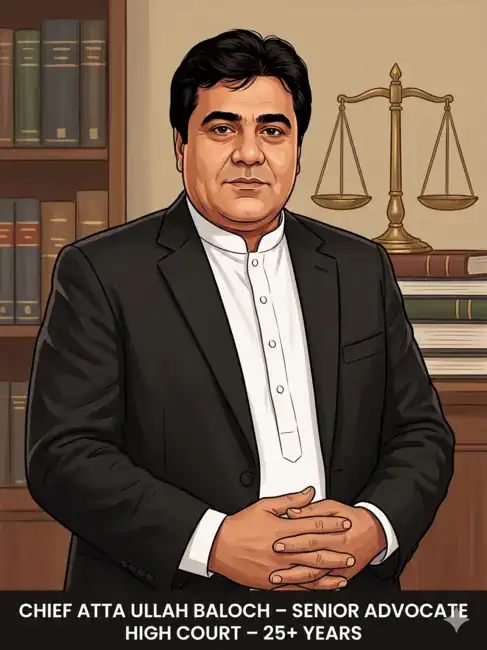
Chief Atta Ullah Baloch - Senior Advocate High Court MK Legal Hub

Chief Atta Ullah Baloch

Senior Advocate High Court | MK Legal Hub | 35+ Years Criminal Defence Experience

"In 35 years of defending hurt cases, I have learned one iron rule: the side with the better and more timely medical evidence wins. I have seen strong eyewitness cases collapse because the MLC was delayed by a few hours. Conversely, I have secured acquittals based solely on contradictions in the prosecution's medical evidence. If you are injured, forget everything else — get your MLC done at a government hospital immediately. If you are accused, attack the MLC's timeline and weapon analysis. That is where cases are won and lost. Everything else can wait."— Chief Atta Ullah Baloch, Senior Advocate High Court

Facing a Hurt Case? Get Expert Legal Help Now

Don't let a delay in medical evidence or a procedural mistake cost you your case.

جسمانی چوٹ کے مقدمے میں قانونی مدد چاہیے؟

© 2026 MK Legal Hub. Mastung, Balochistan, Pakistan.

Scroll to Top