Approver in Pakistani Law – A Complete Guide to Pardon, Evidence, and Trial (2026)
Approver in Pakistani law — جب کوئی ملزم اپنے ساتھیوں کے خلاف گواہی دینے پر راضی ہو تو قانون اسے "وعدہ معاف گواہ" کہتا ہے۔ چیف عطاء اللہ بلوچ (سینئر ایڈووکیٹ ہائی کورٹ) کی یہ گائیڈ بتائے گی کہ Approver کون ہوتا ہے، اسے کیسے بنایا جاتا ہے، اور اس کی گواہی کی قانونی حیثیت کیا ہے۔
⚡ Approver in Pakistani Law – Key Takeaways
1. What is an Approver in Pakistani Law?
Approver in Pakistani law وہ شخص ہے جو اصل میں ملزم تھا، مگر بعد میں استغاثہ (State) کی طرف سے معافی (Pardon) حاصل کر کے اس نے اپنے ساتھی ملزمان کے خلاف گواہ بننے کا فیصلہ کیا۔ عام زبان میں اسے "سرکاری گواہ" یا "وعدہ معاف گواہ" کہا جاتا ہے۔
یہ ایک باقاعدہ طریقہ کار ہے جو ضابطہ فوجداری (CrPC) 1898 کی دفعات 337 سے 339 میں بیان کیا گیا ہے۔ قانونِ شہادت آرڈر (QSO) کا آرٹیکل 16 اس کی گواہی کو قابلِ قبول قرار دیتا ہے، مگر اسے کمزور شہادت مانتا ہے۔
پاکستانی قانون میں وعدہ معاف گواہ وہ شخص ہے جسے عدالت معافی دے کر اس کے ساتھیوں کے خلاف گواہ بنا لیتی ہے۔ یہ سادہ الفاظ میں سمجھیں: اگر تین افراد نے ڈکیتی کی، اور ان میں سے ایک سارا سچ بتانے پر راضی ہو جائے، تو وہ Approver in Pakistani law کہلائے گا۔
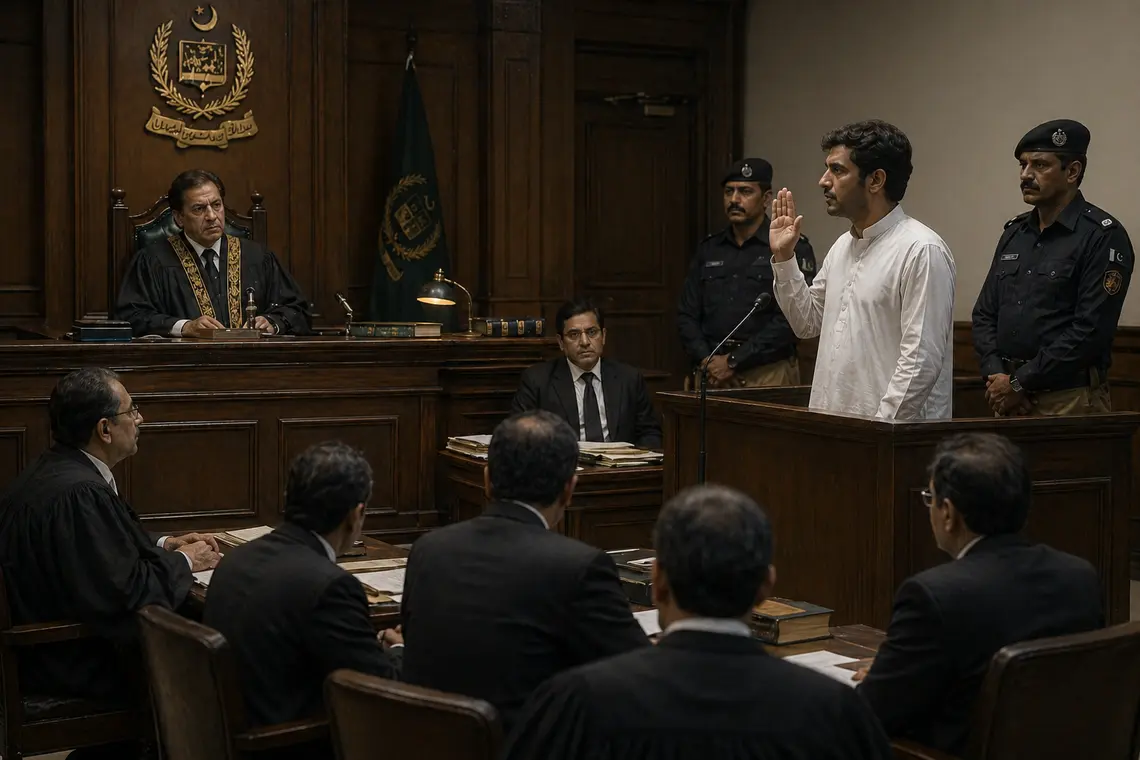
Magistrate recording statement of an approver in Pakistani law under Sections 337-338 CrPC before granting pardon.
مجسٹریٹ صاحب دفعہ 337-338 ضابطہ فوجداری کے تحت وعدہ معاف گواہ کا بیان ریکارڈ کر رہے ہیں۔
2. Legal Framework: CrPC Sections 337-339
2.1 Section 337 CrPC – The Power to Tender Pardon
دفعہ 337 CrPC مجسٹریٹ یا عدالت کو یہ اختیار دیتی ہے کہ وہ کسی ملزم کو معافی کی پیشکش کرے۔ یہ معافی اس شرط پر دی جاتی ہے کہ ملزم: (1) جرم کی مکمل اور سچی تفصیل بیان کرے، (2) جرم میں ملوث تمام افراد کے نام اور کردار بتائے، اور (3) اپنا بیان رضاکارانہ طور پر دے۔
2.2 Section 338 CrPC – High Court and Session Court Jurisdiction
دفعہ 338 CrPC ہائی کورٹ اور سیشن کورٹ کو یہ اختیار دیتی ہے کہ وہ مقدمے کے ٹرائل کے دوران کسی بھی وقت — چاہے گواہوں کے بیانات ریکارڈ ہونے کے بعد بھی — کسی ملزم کو approver in Pakistani law کے طور پر معافی دے سکے۔
2.3 Section 339 CrPC – Withdrawal of Pardon
دفعہ 339 CrPC کے تحت اگر سرکاری وکیل یہ ثابت کر دے کہ Approver نے جان بوجھ کر معلومات چھپائیں، جھوٹ بولا، یا عدالت کو گمراہ کیا، تو اس کی معافی واپس لی جا سکتی ہے اور اس پر دوبارہ وہی مقدمہ چلایا جا سکتا ہے۔
3. Approver vs. Accomplice – Key Legal Differences
| پہلو | Accomplice (شریکِ جرم) | Approver (وعدہ معاف گواہ) |
|---|---|---|
| تعریف | ہر وہ شخص جو جرم میں کسی طرح شریک ہو | وہ Accomplice جسے عدالت سے معافی مل چکی ہو |
| قانونی حیثیت | ملزم | گواہ (مگر زیرِ حراست) |
| بیان کی نوعیت | اعترافی — اپنے خلاف | ملزمان کے خلاف گواہی |
| معافی | نہیں ملی ہوتی | باقاعدہ تحریری معافی (Pardon) |
اہم فرق: ہر Approver ایک Accomplice ہوتا ہے، مگر ہر Accomplice ایک Approver نہیں ہوتا۔ Approver بننے کے لیے عدالت کی باقاعدہ منظوری اور CrPC کی دفعات 337-338 کے تحت کارروائی لازمی ہے۔
4. Procedure to Become an Approver in Pakistan
مرحلہ 1: ملزم خود یا اپنے وکیل کے ذریعے تفتیشی افسر یا سرکاری وکیل کو بتاتا ہے کہ وہ سچ بولنے کو تیار ہے۔
مرحلہ 2: دفعہ 164 CrPC کے تحت مجسٹریٹ ملزم کا بیان ریکارڈ کرتا ہے اور اسے بتاتا ہے کہ یہ بیان اس کے خلاف بھی استعمال ہو سکتا ہے۔
مرحلہ 3: بیان ریکارڈ ہونے کے بعد Approver کو جوڈیشل ریمانڈ پر جیل بھیج دیا جاتا ہے — حفاظت اور بیان سے مکرنے کی روک تھام کے لیے۔
مرحلہ 4: ٹرائل کے اختتام پر اگر عدالت مطمئن ہو کہ اس نے پورا سچ بولا ہے تو اسے بری کر دیا جاتا ہے۔
⚠️ اہم انتباہ: اگر Approver نے جھوٹ بولا یا معلومات چھپائیں تو دفعہ 339 CrPC کے تحت معافی واپس لی جا سکتی ہے اور اس پر دوبارہ وہی اصل مقدمہ چلایا جائے گا۔
5. Evidentiary Value of an Approver's Testimony
قانونِ شہادت آرڈر (QSO) کے آرٹیکل 16 کے تحت، approver in Pakistani law کی گواہی قابلِ قبول ہے، مگر اسے کمزور شہادت مانا جاتا ہے۔ QSO کے آرٹیکل 129(b) کے تحت عدالت Approver کی گواہی پر اس وقت تک یقین نہیں کرتی جب تک کہ اس کی تصدیق کسی آزاد ثبوت (Independent Corroboration) سے نہ ہو جائے۔
"Double Test" کا اصول: (1) کیا Approver کا بیان بذاتِ خود قابلِ یقین ہے؟ (2) کیا اس کے بیان کے اہم حصوں کی تصدیق کسی دوسرے آزاد ثبوت سے ہوتی ہے؟ اگر یہ دونوں شرائط پوری نہ ہوں تو عدالت Approver کی گواہی کو سزا کی بنیاد نہیں بنا سکتی۔
6. Landmark Judgments on Approver in Pakistani Law
6.1 PLD 1991 Supreme Court 395
یہ approver in Pakistani law کا سب سے اہم فیصلہ ہے۔ سپریم کورٹ نے قرار دیا کہ قصاص کے مقدمات (قتل) میں Approver نہیں بنایا جا سکتا جب تک کہ مقتول کے ورثاء اسے معاف نہ کر دیں۔ وجہ: قصاص اسلامی قانون کے تحت ہے — ریاست معاف نہیں کر سکتی، صرف ورثاء معاف کر سکتے ہیں۔
6.2 Muhammad Aslam vs. State (PLD 1967 SC 681)
سپریم کورٹ نے کہا کہ Approver کی گواہی پر یقین کرنے کے لیے آزاد تصدیق (Independent Corroboration) بالکل لازمی ہے۔ صرف Approver کا بیان کبھی بھی اکیلے سزا کی بنیاد نہیں بن سکتا۔
6.3 Sheraz Mehmood vs. State (2021 SCMR 1511)
سپریم کورٹ نے کہا کہ Approver کی گواہی "کمزور ترین قسم کی شہادت" ہے۔ جب تک غیر جانبدار ذرائع سے تصدیق نہ ہو، اسے نظرانداز کر دینا چاہیے۔
7. Free Legal Draft: Application for Tender of Pardon
نیچے ایک تیار شدہ درخواست کا مسودہ ہے جو کسی ملزم کو approver in Pakistani law بنانے کے لیے متعلقہ عدالت میں پیش کیا جا سکتا ہے:
📄 Application for Tender of Pardon Under Sections 337-338 CrPC
8. Frequently Asked Questions (FAQs)
Q1: Who is an approver in Pakistani law?
An approver is an accused person who receives pardon from the court under Sections 337-338 CrPC in exchange for giving full and truthful testimony against co-accused.
Q2: Difference between approver and accomplice?
An accomplice is any participant in a crime. An approver is a specific accomplice who has been formally granted pardon by the court and becomes a prosecution witness.
Q3: Can an approver's testimony alone convict someone?
No. Under QSO Article 129(b), corroboration by independent evidence is mandatory. Conviction cannot be based solely on an approver's uncorroborated statement.
Q4: Under which CrPC sections is an approver made?
Sections 337, 338, and 339 of the Code of Criminal Procedure, 1898.
Q5: Can an approver be made in Qisas (murder) cases?
Not without the consent of the victim's legal heirs, as established in PLD 1991 SC 395.
Q6: What happens if an approver lies in court?
Under Section 339 CrPC, his pardon can be withdrawn and he will face trial for the original offence plus potential perjury charges.
Q7: Where is an approver kept during trial?
In judicial custody (jail) — not released until trial concludes. This ensures safety and prevents retraction.
Q8: Is an approver's statement recorded under Section 164 CrPC?
Yes. The magistrate records the confessional statement under Section 164 CrPC before granting pardon. See our guide on confession retraction.
Q9: What is the "Double Test" for approver evidence?
Court must be satisfied that: (1) the testimony is credible on its own, and (2) material parts are corroborated by independent evidence.
Q10: Can an approver be cross-examined?
Yes. The defence has full right to cross-examine the approver like any other prosecution witness.
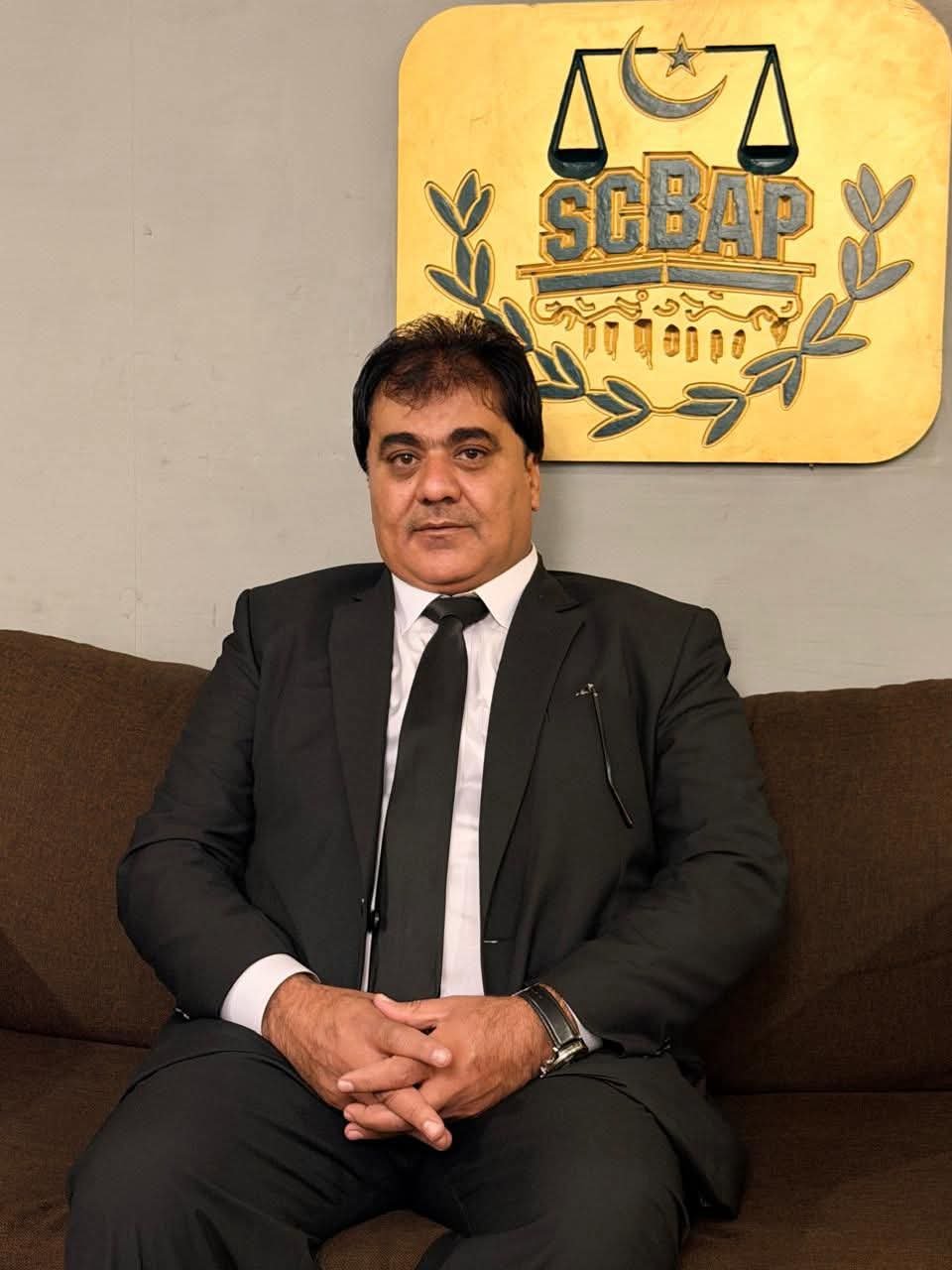
Chief Atta Ullah Baloch
Senior Advocate High Court | MK Legal Hub | 35+ Years Experience
"وعدہ معاف گواہ کا بیان عدالت میں دو دھاری تلوار کی طرح ہوتا ہے۔ اگر آزاد شواہد سے اس کی تصدیق ہو جائے تو یہ سب سے طاقتور گواہی بنتی ہے۔ لیکن اگر تصدیق نہ ہو — اور اکثر مقدمات میں نہیں ہوتی — تو یہ عدالت کی نظر میں ریت کی دیوار سے زیادہ حیثیت نہیں رکھتا۔"
Need Legal Help with an Approver Case?
وعدہ معاف گواہ کے مقدمے میں قانونی مدد چاہیے؟