Child Marriage Laws in Pakistan
پاکستان میں چائلڈ میرج کے قوانین — قانونی عمر، سزائیں اور مکمل رہنما 2026Complete guide to child marriage laws in Pakistan. Learn legal age of marriage, Sindh Child Marriage Restraint Act 2013, penalties, and prevention measures.
📌 Key Takeaways – Child Marriage Laws in Pakistan
- Federal law (1929): Minimum age 18 for males, 16 for females
- Sindh law (2013): Minimum age 18 for both males and females
- Penalties: Up to 3 years imprisonment + fine under Sindh law
- Child marriage is voidable: Minor can repudiate marriage upon reaching majority
- Legal remedies: File complaint with police, seek court order to stop marriage
Child marriage laws in Pakistan consist of federal and provincial laws:
- Federal (Child Marriage Restraint Act 1929): Minimum age 18 for males, 16 for females
- Sindh (Child Marriage Restraint Act 2013): Minimum age 18 for both males and females
- Penalties under Sindh law: 3 years imprisonment + fine
- Child marriage is voidable: Minor can repudiate before age 19
- Legal remedy: Police complaint or court petition to stop child marriage
📑 Table of Contents

Short Answer: What Are Child Marriage Laws in Pakistan?
Child marriage laws in Pakistan are a combination of federal and provincial legislation. Under federal law (Child Marriage Restraint Act 1929), the minimum age of marriage is 18 years for males and 16 years for females. However, Sindh province has its own law (Sindh Child Marriage Restraint Act 2013) which sets the minimum age at 18 years for both males and females.
Child marriage is a criminal offense. Offenders (including parents, guardians, and the person solemnizing the marriage) face imprisonment and fines. The child (minor) has the right to repudiate the marriage upon reaching majority (within 3 years of attaining the legal age).
Legal Age of Marriage in Pakistan (Federal vs Sindh)
Under child marriage laws in Pakistan, the legal age of marriage varies by province:
| Province/Area | Minimum Age (Males) | Minimum Age (Females) | Legal Basis |
|---|---|---|---|
| Punjab | 18 years | 16 years | Child Marriage Restraint Act 1929 |
| Sindh | 18 years | 18 years | Sindh Child Marriage Restraint Act 2013 |
| Khyber Pakhtunkhwa | 18 years | 16 years | Child Marriage Restraint Act 1929 |
| Balochistan | 18 years | 16 years | Child Marriage Restraint Act 1929 |
| Islamabad | 18 years | 16 years | Child Marriage Restraint Act 1929 |
Important: Any marriage where either party is below the prescribed age is considered a child marriage and is punishable by law. The Sindh law is more stringent and applies to all residents of Sindh province.
Sindh Child Marriage Restraint Act 2013 – Key Provisions
The Sindh Child Marriage Restraint Act 2013 is a landmark child marriage law in Pakistan that provides stronger protection for children. Key provisions include:
- Minimum age: 18 years for both males and females (Section 4).
- Child marriage defined: Marriage where either party is below 18 years (Section 2(b)).
- Punishment for performing child marriage: Up to 3 years imprisonment + fine (Section 6).
- Punishment for parents/guardians: Up to 3 years imprisonment + fine (Section 7).
- Punishment for solemnizing: Up to 3 years imprisonment + fine (Section 8).
- Voidable marriage: Minor can repudiate marriage within 3 years of attaining 18 years (Section 5).
- Cognizable offense: Police can arrest without warrant (Section 9).
The Sindh Act applies to all residents of Sindh province, regardless of religion. It is one of the most progressive child marriage laws in South Asia.
Child Marriage Restraint Act 1929 (Federal Law)
The Child Marriage Restraint Act 1929 is the federal child marriage law in Pakistan. Key provisions include:
- Minimum age: 18 years for males, 16 years for females (Section 2).
- Punishment for performing child marriage: 1 month imprisonment + fine (Section 4).
- Punishment for parents/guardians: 1 month imprisonment + fine (Section 5).
- Punishment for solemnizing: 1 month imprisonment + fine (Section 6).
- Cognizable offense: Police can arrest without warrant.
This law applies to all provinces that have not enacted their own child marriage legislation. However, in Sindh, the 2013 Act overrides the federal law. In other provinces, the 1929 Act remains applicable.
Penalties for Child Marriage Under Pakistani Law
Under child marriage laws in Pakistan, the penalties vary by jurisdiction:
| Offense | Penalty (Federal Law 1929) | Penalty (Sindh Law 2013) |
|---|---|---|
| Performing child marriage | 1 month imprisonment + fine | 3 years imprisonment + fine |
| Parent/guardian arranging marriage | 1 month imprisonment + fine | 3 years imprisonment + fine |
| Person solemnizing marriage | 1 month imprisonment + fine | 3 years imprisonment + fine | Second or subsequent offense | Up to 3 months imprisonment | Enhanced penalties |
In Sindh, the penalties are significantly higher, reflecting the province's commitment to ending child marriage. The fine amount is determined by the court based on the circumstances.
Legal Consequences of Child Marriage
Under child marriage laws in Pakistan, a child marriage has the following legal consequences:
- Voidable marriage: The child (minor) has the right to repudiate the marriage upon reaching majority. Under the Sindh Act, this right exists for 3 years after attaining 18 years.
- Criminal liability: All parties involved (parents, guardian, Nikah Khawan) can be prosecuted.
- Maintenance rights: The child spouse may claim maintenance during the marriage.
- Inheritance rights: A child marriage may affect inheritance rights if repudiated.
- NADRA registration: NADRA may refuse to register child marriages or issue CNICs to child spouses.
If a child marriage has already taken place, the minor can file a petition in Family Court to have the marriage declared void (repudiated). Legal aid is available through Protection Committees and NGOs.
How to Prevent Child Marriage – Legal Remedies
Under child marriage laws in Pakistan, the following legal remedies are available to prevent child marriage:
- File police complaint: If you have information about a planned child marriage, file a complaint at the nearest police station. Police are duty-bound to prevent the marriage.
- Approach the Family Court: File a petition to restrain the marriage. The court can issue an injunction order stopping the marriage.
- Contact the Protection Committee: Each district has a Protection Committee that can intervene to stop child marriages.
- Call the Women's Helpline (1099): Report child marriage cases for immediate action.
- Approach NGOs: Organizations like Madadgar (1098) and Sahil provide legal aid and intervention services.
Timely action is critical. Once the marriage is solemnized, legal remedies become more complicated. Prevention is better than cure.
Role of Police and Courts in Preventing Child Marriage
Under child marriage laws in Pakistan, police and courts have specific duties:
- Police duties: Upon receiving information about a planned child marriage, police must investigate and prevent the marriage. Failure to act is dereliction of duty.
- Court powers: Family Courts can issue injunction orders restraining child marriage. Violation of court order is contempt of court.
- Protection of the child: Courts can order the child to be placed in a shelter home (Darul Aman) for protection.
- Emergency orders: In urgent cases, courts can issue interim orders within 24 hours.
If police refuse to act, the complainant can approach the Session Judge under Section 22-A/22-B CrPC for a court order directing police to intervene.
Landmark Case Laws on Child Marriage in Pakistan
| Case Citation | Court | Key Ruling |
|---|---|---|
| PLD 2015 SC 234 | Supreme Court of Pakistan | Child marriage violates fundamental rights under Articles 9, 14, and 25 of the Constitution. |
| 2024 SCMR 567 | Supreme Court of Pakistan | The Sindh Child Marriage Restraint Act 2013 is valid and overrides the federal law in Sindh. |
| 2025 MLD 123 | Sindh High Court | A child marriage can be repudiated within 3 years of attaining 18 years; after that, the marriage becomes valid. |
These judgments have strengthened the enforcement of child marriage laws across Pakistan. Courts are increasingly proactive in protecting children from forced and early marriages.
Frequently Asked Questions on Child Marriage Laws in Pakistan
Q1: Pakistan mein shadi ki legal age kya hai?
Under federal law, 18 years for males and 16 years for females. In Sindh province, 18 years for both males and females under the Sindh Child Marriage Restraint Act 2013.
Q2: Kya Sindh ke bahar child marriage hota hai?
Yes, child marriage occurs in other provinces as well. However, the penalties are lower under the federal law (1 month imprisonment) compared to Sindh (3 years imprisonment).
Q3: Child marriage ko void kaise karein?
The minor can file a petition in Family Court to repudiate the marriage within 3 years of attaining the legal age (18 years). The court will issue a decree declaring the marriage void.
Q4: Kya child marriage mein Nikahnama register hota hai?
Union Councils are legally required not to register child marriages. However, some child marriages are registered illegally. The registration itself may be challenged in court.
Q5: Child marriage ki report kahan karein?
Report to the nearest police station, call Women's Helpline 1099, or contact Madadgar (Legal Aid) at 1098.
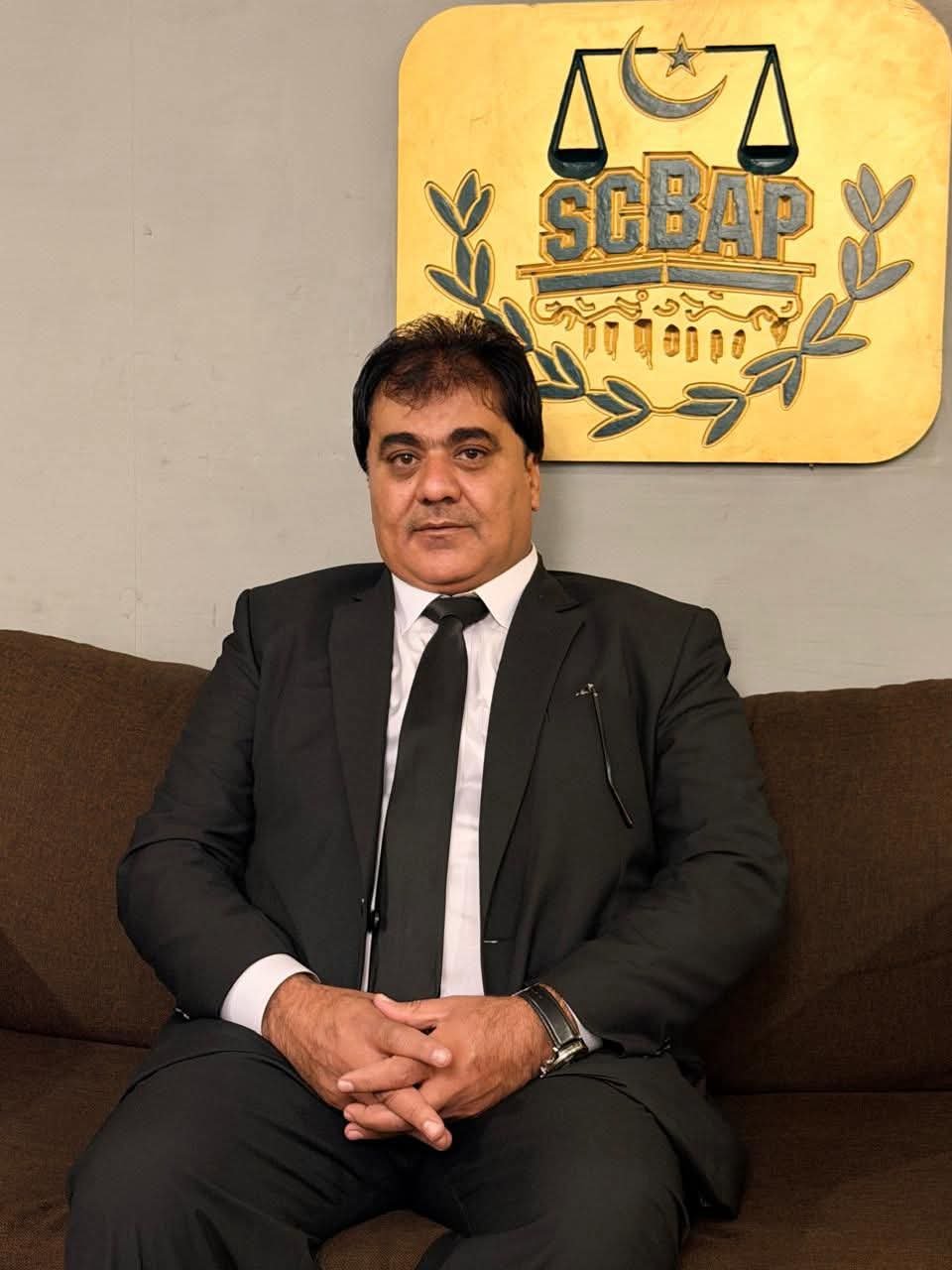
Chief Atta Ullah Baloch
Senior Family Law Expert | MK Law Associates, Mastung, Pakistan ✓ 25+ years in High Courts & Sessions Courts of PakistanComplete Family Law Resources from MK Legal Hub
Need Help Preventing a Child Marriage?
Our expert lawyers can help you file police complaints, obtain court orders to stop child marriages, and provide legal aid to victims. Act now to protect a child's future.