Cheating, Fraud & Forgery in Pakistan – Complete Guide to PPC Sections 415-489
Cheating and Fraud in Pakistan are among the most complex white-collar crimes, governed by Chapter XVIII of the Pakistan Penal Code (PPC) 1860.
⚡ Facing Cheating, Fraud or 489-F Charges? Get Expert Defence Now
📞 WhatsApp for Legal HelpCheating and Fraud in Pakistan are among the most complex and frequently litigated white-collar crimes, governed by Chapter XVIII of the Pakistan Penal Code (PPC) 1860. From simple cheating under Section 417 PPC to aggravated fraud under Section 420 PPC, forgery under Sections 463-489, and cheque dishonour under Section 489-F PPC, these financial crimes carry serious penalties—including imprisonment up to 7 years and heavy fines. This comprehensive guide, prepared by Chief Atta Ullah Baloch of MK Legal Hub, explains the legal definitions, essential ingredients, punishments, bail provisions, and proven defence strategies for all fraud-related offenses under Sections 415 to 489 PPC.
پاکستان میں دھوکہ دہی اور فراڈ سب سے پیچیدہ اور کثرت سے زیر سماعت وائٹ کالر جرائم میں شامل ہیں، جو تعزیرات پاکستان (PPC) 1860 کے باب 18 کے تحت چلتے ہیں۔ دفعہ 417 PPC کے تحت سادہ دھوکہ دہی سے لے کر دفعہ 420 PPC کے تحت سنگین فراڈ، دفعات 463-489 کے تحت جعلسازی، اور دفعہ 489-F PPC کے تحت چیک ڈس آنر تک، یہ مالیاتی جرائم سنگین سزاؤں کے حامل ہیں—جن میں 7 سال تک قید اور بھاری جرمانے شامل ہیں۔ MK Legal Hub کے چیف عطاء اللہ بلوچ کی تیار کردہ یہ جامع رہنمائی دفعات 415 تا 489 PPC کے تحت تمام فراڈ سے متعلقہ جرائم کی قانونی تعریفات، ضروری عناصر، سزائیں، ضمانت کے اصول، اور ثابت شدہ دفاعی حکمت عملیوں کی وضاحت کرتی ہے۔
⚖️ Legal Answer – Pakistan Law: Cheating and Fraud in Pakistan are defined in PPC Chapter XVIII. Cheating (S.415) is dishonestly inducing delivery of property. Punishment (S.417) = 1 year + fine. Aggravated Cheating (S.420) = 7 years + fine. Forgery (S.463) is making false document with intent to cause damage. Cheque Bounce (S.489-F) = 3 years + fine. All are non-bailable except simple cheating (S.417).
⚖️ قانونی جواب – پاکستانی قانون: پاکستان میں دھوکہ دہی اور فراڈ PPC کے باب 18 میں بیان کیے گئے ہیں۔ دھوکہ دہی (دفعہ 415) بے ایمانی سے جائیداد دینے پر آمادہ کرنا ہے۔ سزا (دفعہ 417) = 1 سال + جرمانہ۔ سنگین دھوکہ دہی (دفعہ 420) = 7 سال + جرمانہ۔ جعلسازی (دفعہ 463) نقصان کی نیت سے جعلی دستاویز بنانا ہے۔ چیک باؤنس (دفعہ 489-F) = 3 سال + جرمانہ۔ سادہ دھوکہ دہی (417) کے علاوہ تمام ناقابل ضمانت ہیں۔
⚡ Cheating and Fraud in Pakistan – Key Takeaways
⚡ پاکستان میں دھوکہ دہی اور فراڈ – اہم نکات
- 📜 قانونی ڈھانچہ: PPC کا باب 18 (دفعات 415-489) دھوکہ دہی اور مالیاتی جرائم کو کنٹرول کرتا ہے۔
- 🔑 ضروری عناصر: بے ایمانی سے آمادگی، جائیداد کی ترسیل، فراڈ کی نیت، غلط نقصان۔
- ⚖️ سزاؤں کا دائرہ: سادہ دھوکہ دہی (1 سال)، 420 PPC (7 سال)، 489-F (3 سال)، جعلسازی (عمر قید تک)۔
- 🔓 ضمانت کے اصول: سادہ دھوکہ دہی (قابل ضمانت)؛ 420، 468، 471، 489-F (ناقابل ضمانت)۔
- 🛡️ دفاعی حکمت عملی: سول تنازعہ، بے ایمانی کی نیت کا فقدان، 489-F میں رقم واپسی، دستاویز استعمال نہ ہونا۔
- 📂 متعلقہ جرائم: مجرمانہ خیانت (406)، غبن (403)، جعلی دستاویز بنانا (464)۔
📋 Cheating and Fraud in Pakistan – Offenses & Punishments
| Offense | Section PPC | Definition (Summary) | Punishment | Bailable? |
|---|---|---|---|---|
| Cheating | 415/417 | Dishonestly inducing delivery of property | 1 year + fine | ✅ Yes |
| Cheating by Personation | 416/419 | Cheating by pretending to be another | 3 years + fine | ❌ No |
| Aggravated Cheating | 420 | Cheating causing wrongful loss | 7 years + fine | ❌ No |
| Criminal Breach of Trust | 405/406 | Dishonest misappropriation of entrusted property | 3-7 years + fine | ❌ No |
| Forgery | 463/465 | Making false document with intent to damage | 2 years + fine | ❌ No |
| Forgery for Cheating | 468 | Forgery with intent to cheat | 7 years + fine | ❌ No |
| Using Forged Document | 471 | Using forged document as genuine | Same as forgery | ❌ No |
| Cheque Dishonour | 489-F | Cheque bounce due to insufficient funds | 3 years + fine | ❌ No |
📋 پاکستان میں دھوکہ دہی اور فراڈ – جرائم اور سزائیں
| جرم | دفعہ PPC | تعریف (خلاصہ) | سزا | قابل ضمانت؟ |
|---|---|---|---|---|
| دھوکہ دہی | 415/417 | بے ایمانی سے جائیداد دینے پر آمادہ کرنا | 1 سال + جرمانہ | ✅ ہاں |
| شناخت بدل کر دھوکہ دہی | 416/419 | دوسرے کا روپ دھار کر دھوکہ دہی | 3 سال + جرمانہ | ❌ نہیں |
| سنگین دھوکہ دہی | 420 | غلط نقصان پہنچانے والی دھوکہ دہی | 7 سال + جرمانہ | ❌ نہیں |
| مجرمانہ خیانت | 405/406 | سونپی گئی جائیداد میں بے ایمانی سے غبن | 3-7 سال + جرمانہ | ❌ نہیں |
| جعلسازی | 463/465 | نقصان کی نیت سے جعلی دستاویز بنانا | 2 سال + جرمانہ | ❌ نہیں |
| دھوکہ دہی کے لیے جعلسازی | 468 | دھوکہ دہی کی نیت سے جعلسازی | 7 سال + جرمانہ | ❌ نہیں |
| جعلی دستاویز استعمال کرنا | 471 | جعلی دستاویز کو اصلی ظاہر کرنا | جعلسازی کے برابر | ❌ نہیں |
| چیک ڈس آنر | 489-F | رقم نہ ہونے پر چیک کا باؤنس ہونا | 3 سال + جرمانہ | ❌ نہیں |
Legal Definitions Under PPC – Cheating, Fraud & Forgery
The Pakistan Penal Code 1860 provides precise definitions for financial crimes. Understanding these distinctions is crucial for both prosecution and defence.
1. Cheating (Section 415 PPC): "Whoever, by deceiving any person, fraudulently or dishonestly induces the person so deceived to deliver any property... is said to 'cheat'."
2. Criminal Breach of Trust (Section 405 PPC): Dishonest misappropriation of property entrusted to the accused.
3. Forgery (Section 463 PPC): Making a false document with intent to cause damage or support a claim.
⚖️ Key Distinction: Cheating requires deception from the beginning. Criminal Breach of Trust requires lawful entrustment followed by dishonest misappropriation.
1. دھوکہ دہی (دفعہ 415 PPC): "جو شخص کسی کو دھوکہ دے کر، فراڈ یا بے ایمانی سے، دھوکہ کھانے والے کو کوئی جائیداد دینے پر آمادہ کرے... وہ 'دھوکہ دہی' کرتا ہے۔"
2. مجرمانہ خیانت (دفعہ 405 PPC): سونپی گئی جائیداد میں بے ایمانی سے غبن کرنا۔
3. جعلسازی (دفعہ 463 PPC): نقصان پہنچانے یا دعوے کی تائید کی نیت سے جعلی دستاویز بنانا۔
⚖️ اہم فرق: دھوکہ دہی میں شروع سے دھوکہ ضروری ہے۔ مجرمانہ خیانت میں پہلے جائیداد سونپی جاتی ہے، پھر غبن کیا جاتا ہے۔
Cheque Dishonour in Pakistan – Section 489-F PPC
Section 489-F PPC is one of the most frequently invoked provisions in financial crime litigation.
Essential Ingredients: Issuance of cheque for repayment/obligation, dishonour due to insufficient funds, dishonest intention.
Punishment: Imprisonment up to 3 years, or fine, or both.
Important Defences: Cheque given as security, bona fide belief of funds, repayment during trial, post-dated cheque.
⚠️ WARNING: Section 489-F cases are often filed as a pressure tactic in civil disputes. If the cheque was given as security, this is a complete defence.
دفعہ 489-F PPC مالیاتی جرائم میں سب سے زیادہ استعمال ہونے والی دفعات میں سے ایک ہے۔
ضروری عناصر: ادائیگی کے لیے چیک کا اجراء، رقم نہ ہونے پر ڈس آنر، بے ایمانی کی نیت۔
سزا: 3 سال تک قید، یا جرمانہ، یا دونوں۔
اہم دفاع: چیک بطور ضمانت، رقم کی نیک نیتی سے توقع، مقدمے کے دوران ادائیگی، مستقبل کی تاریخ کا چیک۔
⚠️ انتباہ: دفعہ 489-F کے مقدمات اکثر سول تنازعات میں دباؤ کے لیے دائر کیے جاتے ہیں۔ اگر چیک ضمانت کے طور پر دیا گیا تھا، تو یہ مکمل دفاع ہے۔
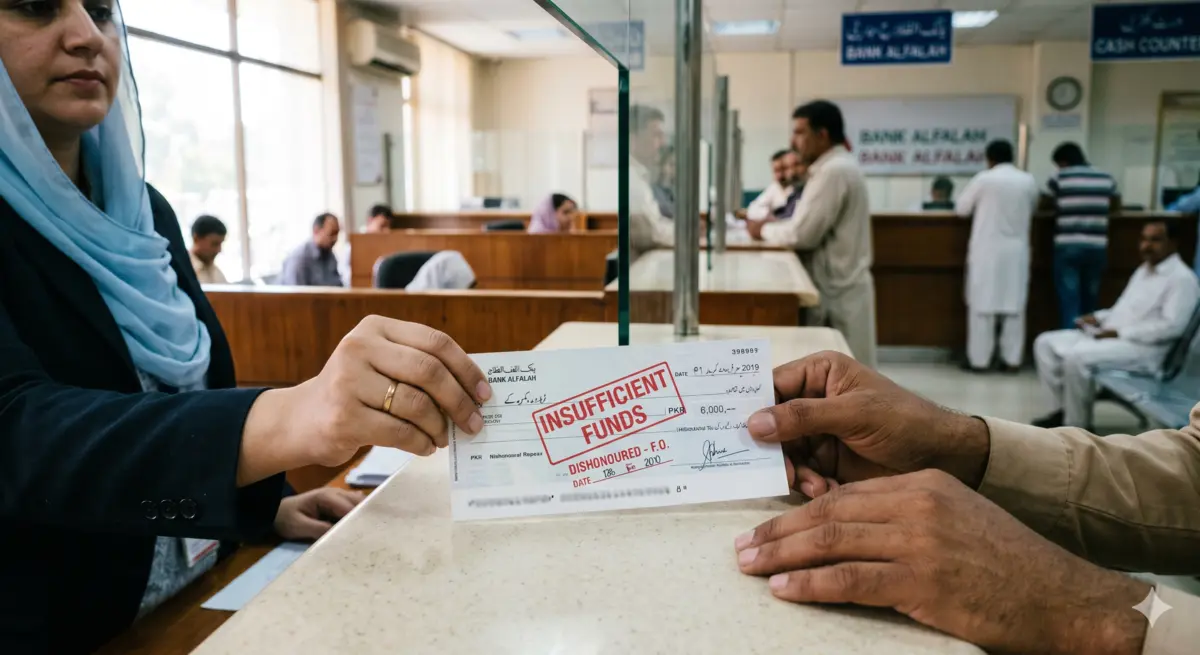
A dishonoured cheque due to insufficient funds. Section 489-F PPC criminalizes cheque bounce in Pakistan, punishable by up to 3 years imprisonment.
رقم کی عدم دستیابی پر باؤنس شدہ چیک۔ دفعہ 489-F PPC پاکستان میں چیک باؤنس کو جرم قرار دیتی ہے، جس کی سزا 3 سال تک قید ہے۔
Bail in Cheating, Fraud & Forgery Cases
Bail in financial crimes is discretionary. For a deeper understanding, see our guide on How to Get Bail in Pakistan.
| Offense | Section | Bailable? | Bail Grounds |
|---|---|---|---|
| Simple Cheating | 417 PPC | ✅ Yes | Right upon furnishing surety bonds |
| Aggravated Cheating | 420 PPC | ❌ No | Delay in FIR, civil nature, no prima facie case |
| Criminal Breach of Trust | 406 PPC | ❌ No | No entrustment proved, civil dispute |
| Forgery for Cheating | 468 PPC | ❌ No | No evidence of forgery, expert report pending |
| Cheque Dishonour | 489-F PPC | ❌ No | Repayment, cheque given as security |
📘 CASE LAW: In PLD 2015 SC 456, the Supreme Court held that in 489-F cases, if the accused deposits the cheque amount in court, bail should be granted liberally.
| جرم | دفعہ | قابل ضمانت؟ | ضمانت کی بنیادیں |
|---|---|---|---|
| سادہ دھوکہ دہی | 417 PPC | ✅ ہاں | ضمانتی مچلکے جمع کرانے پر حق |
| سنگین دھوکہ دہی | 420 PPC | ❌ نہیں | ایف آئی آر میں تاخیر، سول نوعیت |
| مجرمانہ خیانت | 406 PPC | ❌ نہیں | جائیداد سونپنا ثابت نہ ہو |
| دھوکہ دہی کے لیے جعلسازی | 468 PPC | ❌ نہیں | جعلسازی کا ثبوت نہ ہو |
| چیک ڈس آنر | 489-F PPC | ❌ نہیں | رقم واپسی، چیک بطور ضمانت |
📘 عدالتی نظیر: PLD 2015 SC 456 میں سپریم کورٹ نے 489-F میں رقم جمع کرانے پر ضمانت آزادی سے دینے کا حکم دیا۔
Proven Defence Strategies for Fraud Cases
| Defence Strategy | Application |
|---|---|
| Civil Dispute Masquerading as Crime | Breach of contract, not cheating |
| No Dishonest Intention | Bona fide belief or mistake of fact |
| Repayment in 489-F | Cheque amount deposited in court |
| Forged Document Not Used | Mere possession without use |
✅ PRO TIP: In 420 PPC cases, if the dispute is purely commercial, file a petition under Section 561-A CrPC for quashing of FIR before the High Court.
| دفاعی حکمت عملی | اطلاق |
|---|---|
| سول تنازعہ کو جرم کا رنگ | معاہدے کی خلاف ورزی، دھوکہ دہی نہیں |
| بے ایمانی کی نیت کا فقدان | نیک نیتی کا یقین یا حقیقت کی غلطی |
| 489-F میں رقم کی واپسی | چیک کی رقم عدالت میں جمع |
| جعلی دستاویز استعمال نہ ہونا | محض قبضہ، استعمال نہیں |
✅ ماہرانہ مشورہ: 420 PPC میں اگر تنازعہ تجارتی ہے تو ہائی کورٹ میں دفعہ 561-A CrPC کے تحت ایف آئی آر ختم کرانے کی درخواست دیں۔
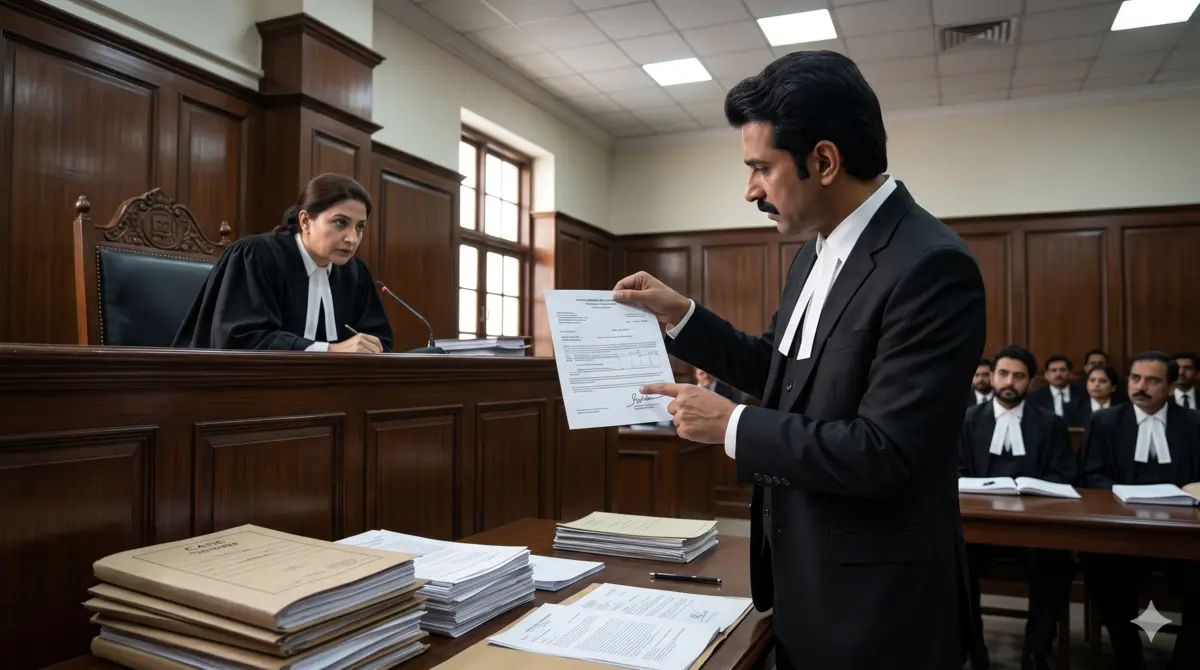
A lawyer presents a forged document in court. Forgery under Section 463-468 PPC carries severe penalties, including imprisonment up to 7 years or life.
وکیل عدالت میں جعلی دستاویز پیش کر رہا ہے۔ دفعہ 463-468 PPC کے تحت جعلسازی کی سنگین سزائیں ہیں، جن میں 7 سال قید تا عمر قید شامل ہے۔
👨⚖️ Expert Legal Opinion – Chief Atta Ullah Baloch
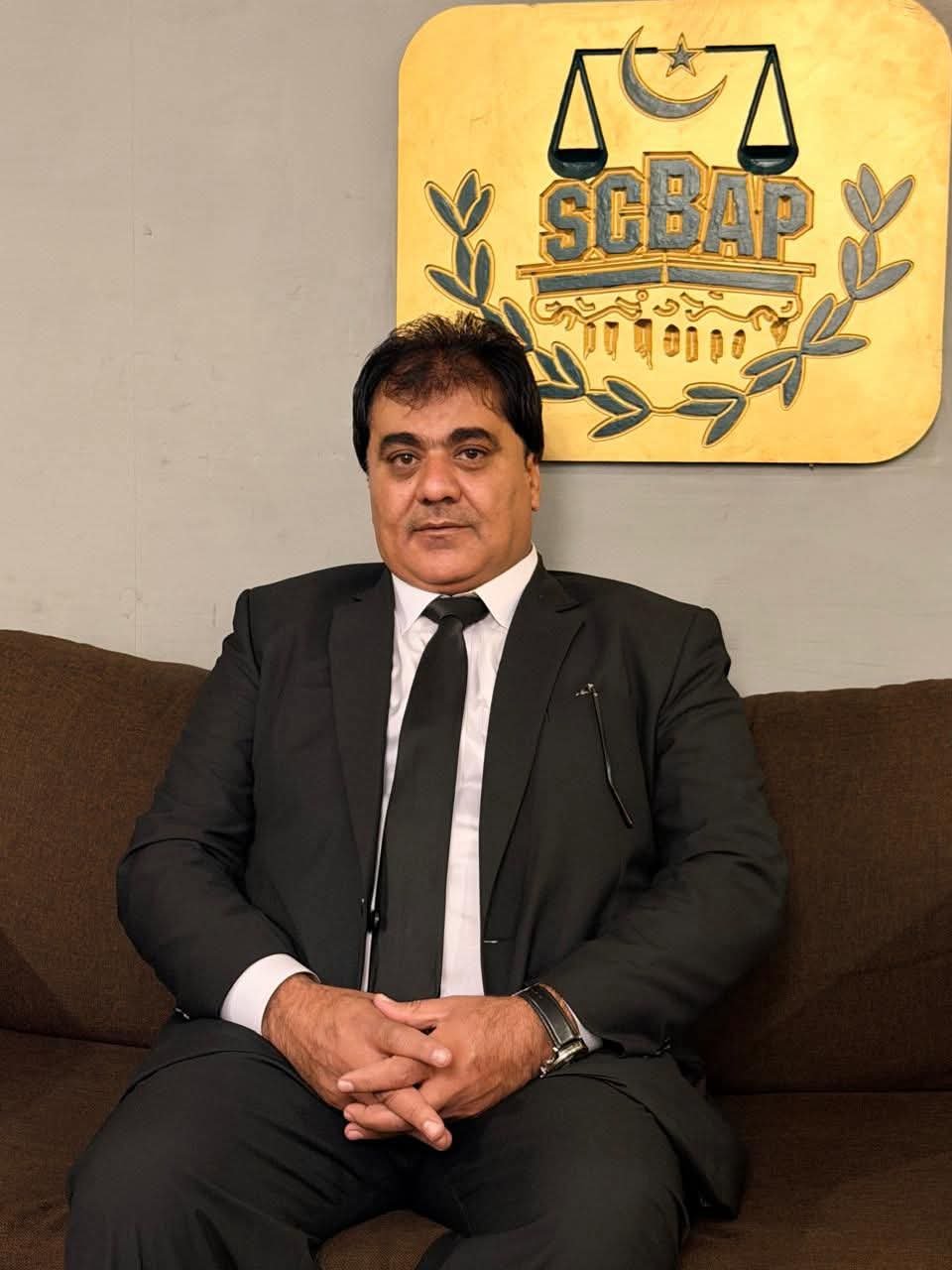
Chief Atta Ullah Baloch
Senior Criminal Defence Expert | MK Legal Hub | 25+ Years Experience
"In my 25 years defending clients accused of Cheating and Fraud in Pakistan, the most common issue I encounter is the criminalization of civil disputes. A failed business deal is not automatically cheating. The prosecution must prove dishonest intention from the inception. In 489-F cases, deposit the cheque amount in court immediately—this strengthens bail and often leads to acquittal." — Chief Atta Ullah Baloch, Senior Advocate
"پاکستان میں دھوکہ دہی اور فراڈ کے الزامات میں دفاع کے 25 سالوں میں، سب سے عام مسئلہ سول تنازعات کو جرم قرار دینا ہے۔ ناکام کاروباری معاہدہ خود بخود دھوکہ دہی نہیں۔ استغاثہ کو شروع سے بے ایمانی کی نیت ثابت کرنی ہوتی ہے۔ 489-F میں فوراً چیک کی رقم عدالت میں جمع کرائیں—یہ ضمانت مضبوط کرتا ہے اور اکثر بریت کا باعث بنتا ہے۔"
❓ Frequently Asked Questions (FAQs)
Facing Cheating, Fraud or 489-F Charges in Pakistan?
Don't let a civil dispute ruin your life. Our expert defence team at MK Legal Hub has successfully defended hundreds of financial crime cases.
پاکستان میں دھوکہ دہی، فراڈ یا 489-F کے الزامات کا سامنا ہے؟