Mutual Divorce in Pakistan
پاکستان میں باہمی طلاق — طلاق بالمبادلہ کا مکمل رہنما 2026Complete guide to mutual divorce in Pakistan (Talaq-e-Mubarat). Learn about procedure, requirements, documents, and court process for divorce by mutual consent.
📌 Key Takeaways – Mutual Divorce in Pakistan
- What is mutual divorce? Divorce by mutual consent of both parties (Talaq-e-Mubarat)
- Legal basis: Section 7 of MFLO 1961 and Islamic law
- Time duration: Union Council route (90 days), Family Court route (30-60 days)
- Documents needed: Written agreement, CNICs, Nikahnama, affidavit
- Wife's rights: Right to agree on haq mehr, maintenance during iddat, child custody
Mutual divorce in Pakistan (Talaq-e-Mubarat) is a divorce by mutual consent under Section 7 MFLO 1961:
- Union Council route: Both parties appear, 90-day waiting period, Form C issued
- Family Court route: Faster (30-60 days), court decree of divorce
- Requirements: Free consent, written agreement, both adults of sound mind
- Documents: Written agreement, CNICs, Nikahnama, affidavit of free consent
📑 Table of Contents

Short Answer: What is Mutual Divorce (Talaq-e-Mubarat) in Pakistan?
Mutual divorce in Pakistan, known as Talaq-e-Mubarat in Islamic law, is a divorce by mutual consent where both husband and wife agree to end the marriage. Under Pakistani law, mutual divorce is recognized under Section 7 of the Muslim Family Laws Ordinance 1961. Both parties must agree on terms including haq mehr, maintenance, and child custody. The process takes 30-90 days through Union Council or Family Court.
Legal Basis for Mutual Divorce Under Pakistani Law
Mutual divorce in Pakistan is governed by:
- Section 7 of MFLO 1961 – Provides the framework for divorce including mutual consent
- Family Courts Act 1964 – For court-based mutual divorce
- Islamic law (Talaq-e-Mubarat) – Requires mutual consent and free will of both parties
Unlike unilateral talaq (by husband) or khula (by wife), Talaq-e-Mubarat requires the consent of both spouses. The parties can agree to terms including return of haq mehr, maintenance during iddat, and child custody arrangements.
For complete family law details, see our Family Law in Pakistan – Complete Pillar Guide.
Talaq-e-Mubarat vs Talaq vs Khula – Key Differences
| Aspect | Talaq-e-Mubarat | Talaq | Khula |
|---|---|---|---|
| Initiated by | Both parties | Husband | Wife |
| Consent required | Mutual (both agree) | No (unilateral) | No (court can grant) | Return of haq mehr | May be agreed | Not required | Usually required |
| Court involvement | Optional | Not mandatory (but notice required) | Mandatory | Time duration | 30-90 days | 90 days | 3-6 months |
| Grounds required | No grounds needed | No grounds needed | Grounds required |
For detailed talaq procedure, see our Talaq Procedure guide. For khula procedure, see Khula Procedure guide.
Conditions for Valid Mutual Divorce
For a valid mutual divorce in Pakistan (Talaq-e-Mubarat), the following conditions must be met:
- Free consent of both parties – No coercion or duress
- Both parties are adults – 18 years or older
- Both parties are of sound mind – No mental incapacity
- Written agreement – Terms of divorce documented
- Registration with Union Council – Under Section 7 MFLO 1961
- 90-day waiting period (iddat) – For reconciliation
- Clear and unambiguous offer and acceptance – Ijab-o-qubool in Islamic terms
Step by Step Procedure for Mutual Divorce in Pakistan
Both parties agree on: return or waiver of haq mehr (dower), maintenance during iddat (90 days), child custody and visitation rights, and any other financial settlements.
The mutual divorce agreement is drafted in Urdu (or English with Urdu translation). It includes names, CNIC numbers, date of marriage, date of agreement, and terms of divorce.
Both parties appear before the Union Council Chairman and submit the written agreement. The Union Council issues notice to both parties and displays notice for 30 days.
During this period: the Arbitration Council attempts reconciliation, either party can revoke the divorce, and the wife observes iddat (cannot remarry).
After 90 days, if reconciliation fails, the Union Council issues Form C (Divorce Certificate). The marriage is dissolved.
Alternative: Family Court Route – If parties prefer, they can file for mutual divorce directly in Family Court. The court will record statements of both parties and issue a divorce decree, typically faster than Union Council route (30-60 days). For court procedures, see Family Court Procedure guide.
Documents Required for Mutual Divorce
| Document | Quantity | Details |
|---|---|---|
| Written mutual divorce agreement | 2 copies | Signed by both parties |
| CNIC copies of husband and wife | 2 copies each | Valid, not expired |
| Nikahnama (marriage certificate) | 1 certified copy | From Union Council |
| Children's birth certificates (if applicable) | 1 copy each | For custody arrangements |
| Affidavit of free consent | 1 each | Notarized | Proof of address | 1 copy | Utility bill or CNIC |
Mutual Divorce Through Family Court vs Union Council
| Aspect | Union Council Route | Family Court Route |
|---|---|---|
| Time duration | 90 days (mandatory waiting) | 30-60 days (faster) |
| Cost | Lower (PKR 500-1500) | Higher (PKR 2000-5000 + lawyer fees) | Complexity | Simple (administrative) | Moderate (judicial) |
| Legal representation | Not required | Recommended |
| Appeal | Limited | Available to High Court |
| Best for | Uncontested, simple cases | Complex cases with disputes |
Time Duration for Mutual Divorce
Mutual divorce in Pakistan takes:
- Union Council Route: 90 days (mandatory waiting period under Section 7 MFLO)
- Family Court Route: 30-60 days (court can expedite with mutual consent)
- Expedited process: If both parties agree on all terms and no minor children, some courts may decide within 30 days
Factors affecting duration: Court workload in your district, whether there are minor children (custody arrangements needed), and whether haq mehr or maintenance disputes exist.
Rights of Wife in Mutual Divorce
In a mutual divorce in Pakistan, the wife has the following rights:
- Right to agree on haq mehr – She can waive or demand full haq mehr
- Right to maintenance during iddat – Husband must pay maintenance for 90 days
- Right to child custody – Custody arrangements must be agreed
- Right to refuse unfair terms – She is not obligated to accept unreasonable demands
- Right to legal representation – Can hire a lawyer to review the agreement
Important: The wife cannot be forced to sign a mutual divorce agreement. If she is coerced, the divorce may be challenged in court.
For maintenance rights, see Maintenance Law guide. For child custody, see Child Custody Law guide.
Landmark Case Laws on Mutual Divorce
| Case Citation | Court | Key Ruling |
|---|---|---|
| PLD 2015 SC 234 | Supreme Court of Pakistan | Mutual divorce (Talaq-e-Mubarat) does not require court proceedings if properly registered with Union Council under Section 7 MFLO. |
| 2024 SCMR 567 | Supreme Court of Pakistan | The 90-day waiting period is mandatory for Union Council route; cannot be waived even with mutual consent. | 2025 MLD 123 | Lahore High Court | In mutual divorce, the wife's consent must be free and voluntary; any coercion invalidates the divorce. |
| 2023 PCrLJ 456 | Sindh High Court | Mutual divorce agreement signed under duress is void ab initio (invalid from the beginning). |
Frequently Asked Questions on Mutual Divorce in Pakistan
Q1: Mutual divorce kitne din mein hota hai?
Union Council route takes 90 days; Family Court route takes 30-60 days.
Q2: Kya mutual divorce ke liye lawyer zaroori hai?
Not mandatory, but recommended if there are disputes over haq mehr, custody, or property.
Q3: Kya mutual divorce mein haq mehr wapas karna hota hai?
It depends on the agreement. The parties can agree that wife returns the haq mehr or waives it, or husband pays it fully.
Q4: Kya mutual divorce ke baad iddat hoti hai?
Yes, the wife must observe iddat of 90 days (3 menstrual cycles) before remarrying.
Q5: Kya mutual divorce certificate NADRA mein register hota hai?
Yes, after obtaining Form C from Union Council or decree from Family Court, apply to NADRA for divorce registration on CNIC.
Q6: Kya mutual divorce ke baad maintenance milta hai?
The wife is entitled to maintenance during the 90-day iddat period only. After that, no maintenance unless agreed otherwise.
Q7: Kya mutual divorce mein bachon ki custody kaise hoti hai?
Custody is determined by mutual agreement. If not agreed, the court decides based on the welfare of the minor principle.
Q8: Kya mutual divorce online apply kar sakte hain?
Currently, physical presence is required for Union Council or Family Court. Some courts may allow e-filing, but signatures must be in person.
Q9: Kya mutual divorce ke liye wali (guardian) zaroori hai?
No, both parties are adults and can consent directly. No guardian is required.
Q10: Kya mutual divorce ke baad doosri shadi kar sakte hain?
Yes, after the 90-day iddat period is complete, both parties can remarry.
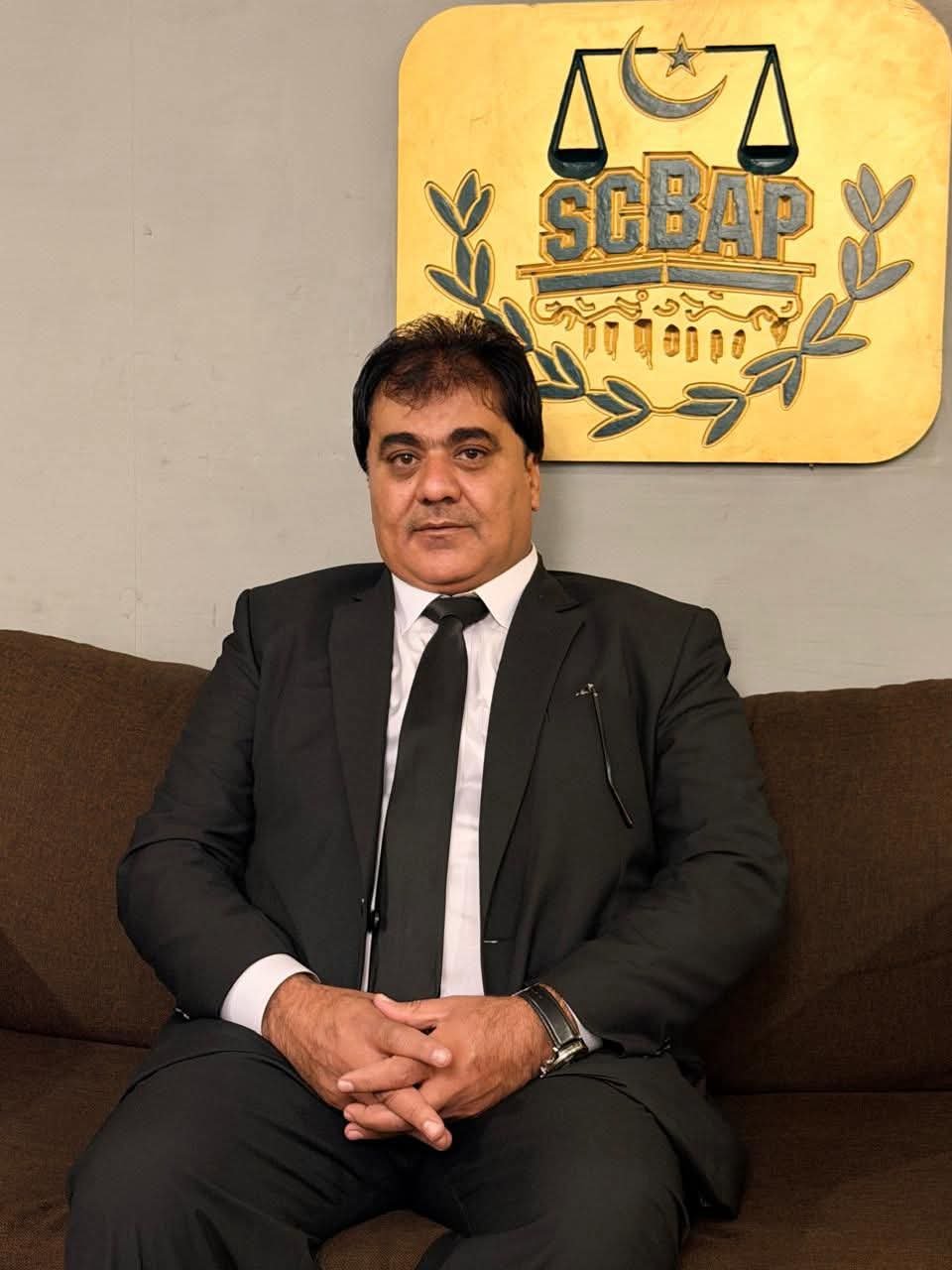
Chief Atta Ullah Baloch
Senior Family Law Expert | MK Law Associates, Mastung, Pakistan ✓ 25+ years in High Courts & Sessions Courts of PakistanComplete Family Law Resources from MK Legal Hub
Need Help with Mutual Divorce?
Our expert lawyers can help you draft a mutual divorce agreement, file with Union Council or Family Court, and ensure your rights are protected.