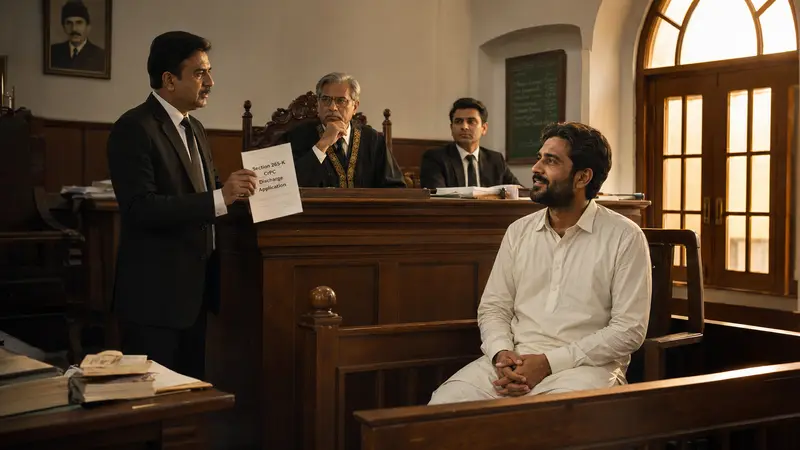
Discharge of Accused in Pakistan: Complete Guide Under Section 265-K CrPC
When a criminal trial begins but the prosecution's evidence is fundamentally flawed, the accused has a powerful remedy: discharge of accused in Pakistan under Section 265-K CrPC. This guide explains what discharge means, how it differs from acquittal, the legal grounds, step-by-step procedure, and how an experienced lawyer can secure your freedom before the trial drags on for years.
Discharge of accused in Pakistan under Section 265-K CrPC means the trial court terminates the criminal proceedings against the accused before the trial concludes — because the prosecution's evidence, even if fully accepted, fails to establish a prima facie case. Unlike acquittal which follows a complete trial, discharge of accused in Pakistan happens when the court examines the record and finds the charges groundless. It is a mid-trial shield that prevents years of unnecessary litigation.
1. What Is Discharge of Accused in Pakistan? Understanding Your Trial-Stage Remedy
Discharge of accused in Pakistan is a judicial order passed by a trial court releasing the accused from criminal proceedings before the trial concludes. It is not an acquittal after a full trial — it is a finding that the prosecution's case is so weak that no trial is warranted. When a court discharges an accused, the criminal case ends immediately. The accused walks free without any conviction, and the case file is closed.
The power of discharge is codified in Section 265-K of the Code of Criminal Procedure 1898. This section empowers the trial court to evaluate the prosecution's evidence at any stage and terminate proceedings if no case is made out. Discharge of accused in Pakistan is one of the most underused yet powerful remedies in Pakistani criminal law.
تعریف: ملزم کی بریت (Discharge) کا مطلب ہے کہ ٹرائل کورٹ مقدمے کی سماعت کے دوران یہ پاتی ہے کہ استغاثہ کا کوئی ٹھوس کیس نہیں ہے اور آگے سماعت کا کوئی جواز نہیں۔ یہ مکمل ٹرائل کے بعد بری ہونے (Acquittal) سے مختلف ہے — ڈسچارج ٹرائل کے دوران ہی مقدمہ ختم کر دیتا ہے۔
2. Section 265-K CrPC — The Legal Foundation of Discharge
Section 265-K CrPC is the statutory foundation for discharge of accused in Pakistan. It states:
"If upon taking cognizance of the case, or at any time before the judgment is pronounced, the Court considers that there is no sufficient ground for proceeding, it shall discharge the accused and record its reasons for doing so."
Key phrases in Section 265-K:
- "At any time before judgment" — Discharge can be sought even after charges are framed, as long as the judgment hasn't been delivered
- "No sufficient ground" — The court must find that the evidence, taken at its highest, does not support the charges
- "Record its reasons" — The discharge order must contain judicial reasoning — it cannot be arbitrary
This section applies to warrant cases (serious offences) tried by Sessions Courts and Magistrates. For summons cases, a similar provision exists under Section 249-A CrPC.
3. Discharge vs. Acquittal — The Critical Difference
This distinction is frequently misunderstood — and getting it wrong can cost you your defence strategy.
| Factor | 🟡 Discharge (265-K CrPC) | 🟢 Acquittal |
|---|---|---|
| Stage | During trial — before judgment | After complete trial |
| Evidence | Prosecution evidence examined — found insufficient | Full trial with prosecution and defence evidence |
| Witnesses | Prosecution witnesses may be partly examined | All witnesses examined and cross-examined |
| Effect on Record | Case terminated — accused released | Accused found not guilty — stronger finality |
| Double Jeopardy | Does not bar fresh trial on same facts (generally) | Bars retrial under double jeopardy principle |
| Appeal | State can challenge discharge order | State can file appeal against acquittal |
| Time Taken | Shorter — mid-trial termination | Longer — after entire trial |
If you've been falsely accused and the prosecution has no real evidence, discharge of accused in Pakistan is your fastest route to freedom — far quicker than waiting for acquittal after a full trial.
4. Legal Grounds for Discharge of Accused in Pakistan
The trial court can order discharge of accused in Pakistan on these established grounds:
🔴 No Prima Facie Case
The prosecution's evidence, even if accepted as true, does not establish the essential ingredients of the alleged offence.
🔴 Prosecution Witnesses Collapse
Key prosecution witnesses resile from their statements or give testimony that exonerates the accused.
🔴 No Evidence of Key Element
A crucial element of the offence (motive, weapon recovery, identification) is completely missing.
🔴 FIR Already Cancelled or Quashed
If the FIR has been cancelled or quashed by a superior court, the trial court must discharge.
🔴 Compromise Between Parties
In compoundable offences, a lawful settlement between the accused and complainant can justify discharge.
🔴 Violation of Fundamental Rights
If the prosecution violates the accused's constitutional rights (illegal detention, forced confession), discharge may be warranted.
قانونی بنیادیں: (1) استغاثہ کا کوئی ابتدائی کیس نہ بنتا ہو (2) گواہان اپنے بیانات سے پھر جائیں (3) جرم کا کوئی اہم جزو ثابت نہ ہو (4) ایف آئی آر پہلے ہی منسوخ یا کالعدم ہو چکی ہو (5) فریقین میں جائز مصالحت (6) آئینی حقوق کی خلاف ورزی۔
5. When the Court REFUSES Discharge
Courts refuse discharge of accused in Pakistan when: the prosecution has presented sufficient evidence to frame charges; material witnesses are yet to be examined; the case involves serious offences requiring full trial; the discharge application is based on disputed facts that need trial evidence; or the accused has absconded or is delaying proceedings.
6. Step-by-Step Discharge of Accused Procedure
Step 1: Review the Case File
Your lawyer examines the challan, witness statements, and documentary evidence to identify gaps in the prosecution's case.
Step 2: Draft Discharge Application
Prepare an application under Section 265-K CrPC stating specific legal grounds with reference to the case record. Our legal drafting service can prepare this.
Step 3: File Before the Trial Court
Submit the application to the Sessions Judge or Magistrate hearing the case.
Step 4: Arguments on Discharge
Both prosecution and defence present arguments. The defence highlights the absence of evidence for key elements of the offence.
Step 5: Court Order
The court either discharges the accused (case ends) or dismisses the application (trial continues). The order must contain reasoned findings.
Step 6: If Discharge is Refused
The accused can challenge the refusal through revision in the Sessions Court or constitutional petition in the High Court.
📝 Need a Discharge Application Drafted?
A well-drafted 265-K application is the difference between discharge and years of trial. Our Virtual Clerk Service delivers court-ready applications within 24 hours.
📄 Get Your Discharge Application 💬 WhatsApp Inquiry7. Complete Remedy Comparison — Where Discharge Fits
This is the clearest comparison available on any Pakistani legal website — showing exactly where discharge of accused in Pakistan fits in your defence toolkit:
| Remedy | Stage | Court | Section | Effect |
|---|---|---|---|---|
| FIR Cancellation | Before/During Investigation | Magistrate / JP | 22-A/B, 173 CrPC | FIR removed |
| FIR Quashment | Any Stage | High Court | 561-A CrPC | FIR declared void |
| Discharge | During Trial | Trial Court | 265-K CrPC | Trial terminated |
| Acquittal | After Full Trial | Trial Court | — | Found not guilty |
Read our related guides: FIR Cancellation | FIR Quashment | Criminal Trial Process
8. Deadly Mistakes That Destroy Discharge Applications
❌ Filing Too Early
If prosecution witnesses are yet to be examined, the court will say: "Let the evidence come first." Time your application after key prosecution witnesses have testified.
❌ Generic Grounds
Stating "no case" without pointing to specific missing elements of the offence guarantees dismissal. Be surgical.
❌ Not Challenging Refusal
If discharge is refused, immediately file revision or constitutional petition. Delay can prejudice your case.
❌ Confusing Discharge with Acquittal
Filing for acquittal when you need discharge (or vice versa) can waste crucial time. Understand the distinction or consult an experienced lawyer.
9. Urdu Summary — ملزم کی بریت کا قانونی راستہ
ملزم کی بریت (Discharge) ٹرائل کورٹ کا وہ حکم ہے جو مقدمے کی سماعت کے دوران دیا جاتا ہے جب عدالت یہ پاتی ہے کہ استغاثہ کا کیس اتنا کمزور ہے کہ مکمل ٹرائل کی ضرورت ہی نہیں۔ یہ دفعہ 265-K ضابطہ فوجداری کے تحت دیا جانے والا ایک طاقتور قانونی علاج ہے۔
- دفعہ 265-K کسی بھی وقت — چارجز فریم ہونے کے بعد بھی — discharge کی اجازت دیتی ہے
- عدالت یہ دیکھتی ہے کہ کیا استغاثہ کے پاس کوئی ٹھوس ثبوت ہے
- اگر اہم گواہان اپنے بیانات سے مکر جائیں تو discharge کا قوی جواز بنتا ہے
- Discharge اور Acquittal میں فرق سمجھنا ضروری ہے — پہلا ٹرائل کے دوران، دوسرا ٹرائل کے بعد
- اگر discharge مسترد ہو تو ریویژن یا ہائی کورٹ میں آئینی درخواست دائر کریں
10. Frequently Asked Questions — Discharge of Accused in Pakistan
Q1: When can I apply for discharge of accused in Pakistan? +
Under Section 265-K CrPC, you can apply for discharge of accused in Pakistan at any time before judgment — even after charges are framed. The best time is typically after key prosecution witnesses have testified and their evidence shows no case.
Q2: Is discharge the same as acquittal? +
No. Discharge happens during trial when the court finds insufficient evidence. Acquittal happens after full trial when the court finds the accused not guilty. Discharge is faster; acquittal is more final.
Q3: Can the state appeal against a discharge order? +
Yes. The prosecution can file a revision petition or appeal against a discharge order. This is why a well-reasoned discharge order with proper findings is crucial — it is harder to overturn on appeal.
Q4: What happens after discharge? +
Once the court orders discharge of accused in Pakistan, the accused is released immediately. The criminal case against that accused terminates. However, unlike acquittal, discharge generally does not bar fresh proceedings on the same facts.
Q5: What is the difference between discharge and cancellation? +
Cancellation removes the FIR itself — at magistrate level, before or during investigation. Discharge ends the trial proceedings — after the case has reached the trial court. Read our guide on FIR cancellation.
Q6: Can discharge be granted in murder cases? +
Yes, but courts are extremely cautious in serious offences. Discharge in murder cases requires a complete absence of evidence — not merely weak evidence. Strong legal representation is essential.
Q7: What is Section 249-A CrPC? +
Section 249-A CrPC is the summons case equivalent of 265-K. It allows discharge in less serious cases tried by Magistrates where the complainant is absent or no evidence is produced.
Q8: ڈسچارج اور بریت میں کیا فرق ہے؟ +
ڈسچارج (Discharge) ٹرائل کے دوران ہوتا ہے جب عدالت پاتی ہے کہ استغاثہ کا کیس نہیں بنتا۔ بریت (Acquittal) مکمل ٹرائل کے بعد ہوتی ہے۔ ڈسچارج تیز تر ہے اور ملزم کو فوراً رہائی دلاتا ہے۔
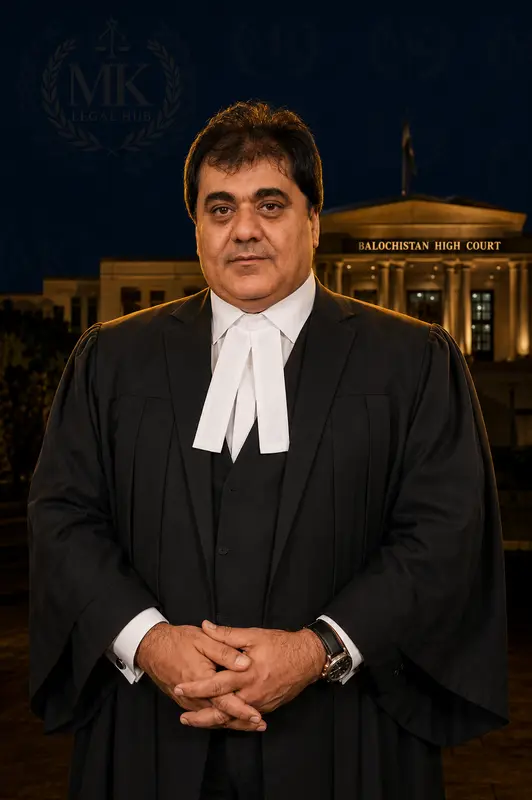
Chief Atta Ullah Baloch
Senior Advocate High Court · 20+ Years Criminal Practice · Quetta & Mastung
"Section 265-K is the most underrated remedy in Pakistani criminal law. I have secured discharge for clients mid-trial — sometimes after just two or three prosecution witnesses — because the evidence was so clearly fabricated. The key is timing. File too early, the court says wait. File too late, you've already suffered years of trial. A skilled lawyer knows exactly when to strike. Discharge of accused in Pakistan is not about luck — it is about reading the prosecution's weaknesses and acting decisively. If the evidence against you is hollow, do not wait for acquittal — demand discharge."

Facing Trial? Apply for Discharge Now
Chief Atta Ullah Baloch has secured discharge of accused in Pakistan in dozens of cases across Balochistan trial courts. Don't wait years for acquittal when discharge is available today.
📱 WhatsApp: 03414834719 📄 Draft Discharge Application