⚖️ Legal Answer – Pakistan Law

Definitive Summary: Section 103 of the Code of Criminal Procedure (CrPC) explicitly mandates that before conducting any physical search or recovery, the investigating police officer must call upon two or more respectable inhabitants of the specific locality to witness the search. Failure to involve independent private witnesses creates a fatal dent in the prosecution's story, often rendering the recovery "planted" and providing solid grounds for the acquittal of the accused.

Key Takeaways (اہم نکات)

  • Mandatory Presence: Search without two private local witnesses is generally considered illegal.
  • Fard Maqboolgi: The recovery memo must be signed by these independent witnesses, not just police officials.
  • Locality Rule: Witnesses brought from miles away by the police (Stock Witnesses) are rejected by courts.
  • Right of the Occupant: The owner or occupant of the property has a statutory right to be present during the search.
  • Exceptions: Section 103 may be relaxed in sudden raids, moving vehicles, or under special laws like the CNSA (Narcotics Act).
  • Fair Trial: Violation of this section infringes upon Article 10-A of the Constitution.

1. Understanding Planted Recoveries in Pakistan

The foundation of Criminal Law in Pakistan rests heavily on the authenticity of the evidence presented by the prosecution. Unfortunately, the practice of "planted recoveries" (Jhuti Baramadgi) is a dark reality within the criminal justice system. Corrupt investigating officers often fabricate evidence—such as unlicensed weapons, stolen money, or narcotics—and attribute them to an innocent accused to strengthen a weak case or extort bribes.

To curb this excessive abuse of power, the legislature embedded strict safeguards within the FIR and police procedures. The most powerful of these statutory shields is Section 103 of the Code of Criminal Procedure (CrPC) 1898. It acts as a procedural checkpoint, ensuring that police cannot conduct searches behind closed doors without the scrutiny of the public.

جھوٹی برآمدگی کی حقیقت: پاکستان کے فوجداری نظامِ قانون کی بنیاد استغاثہ (Prosecution) کی جانب سے پیش کیے گئے شواہد کی سچائی پر ہے۔ بدقسمتی سے، "جھوٹی برآمدگی" (Planted Recovery) ہمارے تفتیشی نظام کی ایک تلخ حقیقت ہے۔ کرپٹ پولیس افسران اکثر رشوت لینے یا کسی کمزور مقدمے کو مضبوط بنانے کے لیے بے گناہ شہریوں پر غیر قانونی اسلحہ، چوری کا مال یا منشیات ڈال دیتے ہیں۔

اختیارات کے اس ناجائز استعمال کو روکنے کے لیے، قانون سازوں نے ضابطہ فوجداری (CrPC) میں دفعہ 103 کو شامل کیا۔ یہ دفعہ اس بات کو یقینی بناتی ہے کہ پولیس بند کمروں یا سنسان سڑکوں پر عوام کی نظروں سے بچ کر کوئی تلاشی یا برآمدگی نہ کر سکے۔

2. The Statutory Law: Section 103 CrPC Explained

Whenever a police officer proceeds to search a house, a shop, or an enclosed place, the law places a strict burden upon them. For the exact, unamended wording of the law, legal practitioners often refer to the Pakistan Code. Let us analyze the actual text of the statute:

دفعہ 103 (1) ضابطہ فوجداری: "اس باب کے تحت تلاشی لینے سے قبل، تلاشی لینے والا افسر یا شخص اس علاقے کے دو یا دو سے زیادہ معزز باشندوں کو تلاشی کے عمل میں شامل ہونے اور گواہ بننے کے لیے طلب کرے گا جہاں کی تلاشی لی جانی ہے..."

دفعہ 103 (2): "تلاشی ان گواہان کی موجودگی میں لی جائے گی، اور تلاشی کے دوران قبضے میں لی گئی تمام اشیاء اور ان جگہوں کی فہرست (فرد مقبوضگی) تیار کی جائے گی، اور گواہان اس پر دستخط کریں گے۔"

3. Who is a "Respectable Inhabitant" and What is "Locality"?

The courts examine recovery memos (Fard Maqboolgi) meticulously. If the police claim they recovered an illegal Kalashnikov from a house in a densely populated area, the judge will immediately look for the signatures of private witnesses on the memo. Two key terms define the legality of these witnesses:

معزز باشندے اور علاقے کی اہمیت: جب پولیس گنجان آباد علاقے سے کسی چیز کی برآمدگی دکھاتی ہے، تو جج سب سے پہلے ریکوری میمو پر پڑوسیوں کے دستخط دیکھتا ہے۔
  • علاقہ: گواہان کا اسی محلے یا گلی کا رہائشی ہونا ضروری ہے۔ اگر گواہ 10 کلومیٹر دور سے لایا گیا ہے، تو وہ پولیس کا "جیبی گواہ" (Pocket Witness) تصور ہوگا۔
  • معزز: گواہ کا غیر جانبدار ہونا لازمی ہے۔ اگر وہ پہلے بھی کئی ایف آئی آرز میں پولیس کا گواہ بن چکا ہے، تو عدالت اسے تسلیم نہیں کرے گی۔

4. Exceptions: When is Section 103 NOT Applicable?

While Section 103 is a robust defense tool, it is not absolute. The law provides certain exceptions where the non-association of private witnesses will not automatically destroy the prosecution's case. Understanding these exceptions is crucial, especially when arguing for Bail in Pakistan.

  • Moving Vehicles: If a car is intercepted on a highway or at a sudden police picket (Naka), the courts understand that arranging private witnesses instantly is practically impossible.
  • Sudden/Chance Recovery: If the police stumble upon a crime accidentally during routine patrolling, the strict application of Section 103 is relaxed.
  • Narcotics Cases (CNSA): Under Section 25 of the Control of Narcotic Substances Act (CNSA) 1997, the provisions of Section 103 CrPC are specifically excluded. In drug cases, police officials themselves are considered competent witnesses, provided their testimonies are flawless and confidence-inspiring.

⚠️ Important Note on CNSA: Even though Section 103 CrPC is excluded in narcotics cases, the Supreme Court has ruled that if the raid was planned (prior information) and took place in a populated area, the police still have a duty to at least try to associate private witnesses. Total disregard of this principle creates a shadow of doubt.

استثناء: دفعہ 103 کب لاگو نہیں ہوتی؟ یہ دفعہ ہر جگہ لاگو نہیں ہوتی۔ درج ذیل صورتوں میں پرائیویٹ گواہان کی عدم موجودگی کے باوجود کیس ختم نہیں ہوتا:
  • چلتی ہوئی گاڑیاں: اگر ہائی وے پر یا اچانک ناکے پر کوئی گاڑی پکڑی جائے، کیونکہ وہاں فوراً نجی گواہ لانا ناممکن ہوتا ہے۔
  • منشیات کے مقدمات (CNSA): منشیات ایکٹ کی دفعہ 25 کے تحت دفعہ 103 کو خارج کر دیا گیا ہے۔ منشیات کے کیسز میں پولیس اہلکار خود بھی گواہ بن سکتے ہیں، بشرطیکہ ان کے بیانات میں کوئی تضاد نہ ہو۔ تاہم، اگر چھاپہ پہلے سے طے شدہ تھا، تو پولیس پر لازم ہے کہ وہ پڑوسیوں کو بلانے کی کوشش کرے۔

5. Cross-Examination Strategies to Break Planted Evidence

The ultimate battleground for Section 103 is the trial court during the cross-examination of the Investigating Officer (IO) and recovery witnesses. A skilled defense lawyer dissects the recovery memo using the following techniques:

  • The Effort Question: "Did you verbally or in writing call any person from the adjacent shops to witness the recovery?" If the IO answers "No," it establishes a deliberate violation of the law.
  • Site Plan Discrepancies: Comparing the rough site plan (Naqsha Nazri) with the recovery memo. Often, the IO places the witnesses in the map at positions from where it is physically impossible to see the actual recovery.
  • Logbook Checks: Demanding the daily diary (Roznamcha) and vehicle logbook to prove the police patrol car never left the station at the alleged time of recovery.
جرح (Cross-Examination) کی حکمت عملی: ٹرائل کے دوران ایک ماہر وکیل تفتیشی افسر سے درج ذیل سوالات پوچھ کر جھوٹی ریکوری کو توڑتا ہے:
"کیا آپ نے تلاشی سے پہلے آس پاس کے دکانداروں کو تحریری یا زبانی طور پر گواہ بننے کا کہا تھا؟" اگر افسر کا جواب "نہیں" ہو، تو قانون کی جان بوجھ کر خلاف ورزی ثابت ہو جاتی ہے۔ اس کے علاوہ جائے وقوعہ کے نقشے اور تھانے کے روزنامچے میں موجود تضادات بھی کیس کو ختم کر دیتے ہیں۔

6. Landmark Supreme Court Judgments on Recovery

The jurisprudence of the Supreme Court of Pakistan clearly establishes that the failure to comply with Section 103 CrPC, when it was perfectly possible to do so, extends the "benefit of the doubt" directly to the accused. For a deeper dive into judicial precedents, visit our Case Laws Database.

سپریم کورٹ کے اہم فیصلے:
  • PLD 2017 SC 105: سپریم کورٹ نے فیصلہ دیا کہ اگر گنجان آباد علاقے میں خفیہ اطلاع پر چھاپہ مارا جائے اور مقامی لوگوں کو گواہ بنانے کی کوئی کوشش نہ کی جائے، تو ایسی برآمدگی انتہائی مشکوک سمجھی جائے گی اور صرف پولیس اہلکاروں کی گواہی پر سزا نہیں دی جا سکتی۔
  • 2020 SCMR 400: عدالت عظمیٰ نے قرار دیا کہ دفعہ 103 پر عمل کرنا لازمی ہے۔ کسی ٹھوس وجہ کے بغیر اسے نظر انداز کرنا آئین کے آرٹیکل 10-اے کے تحت ملزم کے منصفانہ ٹرائل کے حق کی خلاف ورزی ہے۔
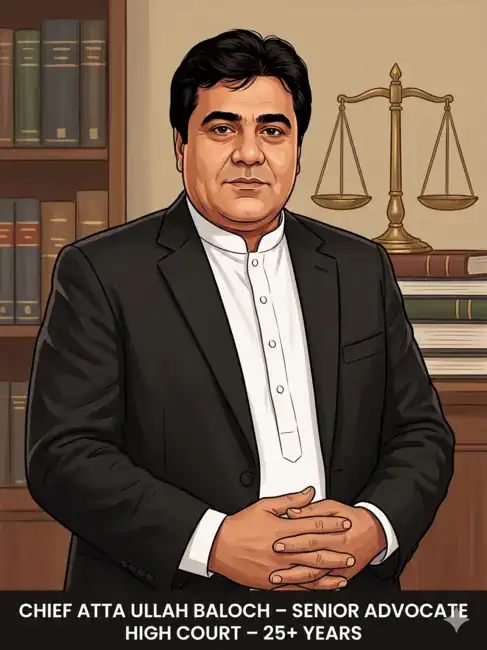
Chief Atta Ullah Baloch - Senior Criminal Defence Lawyer Pakistan

Chief Atta Ullah Baloch

Senior Criminal Defence Expert | MK Legal Hub | 25+ Years Experience
"In my two and a half decades of legal practice across the High Courts and Sessions Courts of Pakistan, I have observed a recurring pattern: police rarely follow Section 103 CrPC. They rely on fear and ignorance. As a defense counsel, my first target is always the Recovery Memo. If there are no private signatures, or if the witnesses are police constables in civilian clothes, the prosecution's entire edifice collapses like a house of cards. Know your rights; never sign a blank document in custody."
"اپنے 25 سالہ قانونی کیرئیر میں، میں نے دیکھا ہے کہ پولیس شاذ و نادر ہی دفعہ 103 پر عمل کرتی ہے۔ وہ عوام کے خوف اور قانون سے لاعلمی کا فائدہ اٹھاتے ہیں۔ بطور وکیل دفاع، میرا پہلا ہدف ہمیشہ ریکوری میمو ہوتا ہے۔ اگر اس پر پرائیویٹ افراد کے دستخط نہیں ہیں، تو استغاثہ کا پورا کیس تاش کے پتوں کی طرح بکھر جاتا ہے۔ اپنے حقوق جانیے اور حراست میں کبھی سادہ کاغذ پر دستخط نہ کریں۔"
☎ WhatsApp for Legal Defense

Need Legal Help? | کیا آپ کو قانونی مدد چاہیے؟

If you or a loved one has been framed in a false case with a planted recovery, immediate legal intervention is critical. Do not let fabricated evidence ruin a life.