
Acquittal in Pakistan: Complete Guide After Criminal Trial
After months or years of criminal trial, there is one word every innocent accused waits to hear: "Acquitted." Acquittal in Pakistan is the final and most definitive exoneration — the court's declaration that the prosecution failed to prove its case beyond reasonable doubt. This guide explains what acquittal means, how it differs from discharge, the constitutional protection of double jeopardy, and how to secure acquittal in Pakistan through strategic defence.
Acquittal in Pakistan is a judicial order passed after a complete criminal trial, declaring the accused not guilty of all charges. It is the most definitive exoneration in criminal law. Unlike discharge which terminates trial midway, acquittal follows a full trial where the prosecution fails to prove its case beyond reasonable doubt. Under Article 13 of the Constitution, an acquitted person cannot be tried again for the same offence — this is the principle of double jeopardy. An honourable acquittal in Pakistan restores the accused's reputation completely.
1. What Is Acquittal in Pakistan? The Final Exoneration
Acquittal in Pakistan is the most definitive legal declaration of innocence in the criminal justice system. After a complete criminal trial — with all prosecution witnesses examined, all defence evidence presented, and final arguments heard — if the court finds the prosecution has failed to prove its case beyond reasonable doubt, it acquits the accused. This is not a technical dismissal — it is a finding on the merits that the accused is not guilty.
When a court orders acquittal in Pakistan, the accused is released immediately, the criminal case is permanently closed, no retrial is permitted on the same facts under the double jeopardy principle, and the accused's record reflects "acquitted" — a far stronger status than "discharged." For anyone falsely implicated, acquittal in Pakistan is the ultimate vindication.
تعریف: بریت (Acquittal) وہ عدالتی فیصلہ ہے جو مکمل ٹرائل کے بعد سنایا جاتا ہے جب عدالت پاتی ہے کہ استغاثہ الزامات کو معقول شک سے بالاتر ثابت کرنے میں ناکام رہا۔ یہ سب سے حتمی اور مضبوط قانونی بریت ہے۔
2. Discharge vs. Acquittal — Complete Comparison
This is the most important distinction in Pakistani criminal defence law — and understanding it can determine your entire legal strategy for acquittal in Pakistan.
| Factor | 🟡 Discharge (265-K CrPC) | 🟢 Acquittal |
|---|---|---|
| Stage | During trial — before judgment | After complete trial |
| Evidence | Prosecution evidence found insufficient mid-trial | Full prosecution and defence evidence examined |
| Finality | Generally does not bar retrial | Bars retrial — double jeopardy applies |
| Record | Case terminated | Accused found not guilty |
| Strength | Weaker finality | Strongest exoneration |
| Time | Faster — mid-trial | Longer — after full trial |
| Reputation | Less impact | Full restoration of reputation |
Read our complete guides: Discharge of Accused | Criminal Trial Process
3. Honourable Acquittal — What It Means
Pakistani courts distinguish between "honourable acquittal" and "acquittal giving benefit of doubt." This distinction has profound practical implications.
🌟 Honourable Acquittal
The court finds the accused completely innocent. The prosecution case was false, fabricated, or nonexistent. The accused leaves with reputation fully intact.
⚖️ Benefit of Doubt Acquittal
The court finds the evidence insufficient but not necessarily false. The accused gets the benefit of doubt but the finding is less strong.
An honourable acquittal in Pakistan is crucial for government servants seeking reinstatement, professionals requiring licence restoration, and anyone whose reputation and career depend on a clean record.
4. Legal Effects of Acquittal in Pakistan
When you receive acquittal in Pakistan, several powerful legal protections activate:
- 🔒 Double Jeopardy: Article 13 Constitution — no retrial for same offence
- 📋 Criminal Record: Shows "acquitted" — far superior to "discharged"
- 💼 Employment Rights: Government servants acquitted honourably can seek reinstatement with back benefits
- 🛡️ Bail Bonds: All surety bonds cancelled, sureties discharged
- 📱 Travel & Documentation: No criminal record barring passport, visa, or NADRA documentation
5. Double Jeopardy — Article 13 Constitution
Article 13 of the Constitution of Pakistan is the constitutional shield that makes acquittal in Pakistan final and irreversible:
"No person shall be prosecuted or punished for the same offence more than once."
Once acquitted, the State cannot file a fresh FIR on the same facts, re-open investigation, or subject you to a second trial for the same offence. The only exception is if the acquittal was obtained through fraud or collusion — superior courts may set it aside, but this is rare and requires exceptional circumstances.
6. Appeal Against Acquittal — Can the State Challenge It?
Yes. The State has the right to appeal against acquittal in Pakistan:
- Sessions Court Acquittal: Appeal lies to the High Court within the limitation period
- High Court Acquittal: Appeal lies to the Supreme Court
- Standard of Review: Appellate courts are slow to overturn acquittals — the presumption of innocence is reinforced by acquittal
- Complainant's Right: In some cases, the complainant can file a revision or private appeal
If you have been acquitted, remain vigilant — the State may appeal. Consult your lawyer about defending the acquittal in appellate courts.
7. Acquittal and Compensation — Can You Claim Damages?
If you were falsely implicated and have secured acquittal in Pakistan — especially an honourable one — you may seek:
💰 Civil Suit for Malicious Prosecution
File a civil suit against the false complainant claiming damages for loss of reputation, mental agony, and legal expenses.
🏛️ Costs from the State
In exceptional cases, High Courts have awarded costs against investigating officers for mala fide investigation.
📜 Section 250 CrPC
If the magistrate finds the complaint false and frivolous, they can order the complainant to pay compensation to the accused.
8. How to Secure Acquittal — Defence Strategy
Securing acquittal in Pakistan requires a systematic defence strategy built from day one:
Strategy 1: Attack Witness Credibility
Cross-examination exposing contradictions, bias, and ulterior motives in prosecution witnesses.
Strategy 2: Present Alibi Evidence
Documentary and digital proof that you were elsewhere at the time of the offence — mobile location, CCTV, travel records.
Strategy 3: Challenge Forensic Evidence
Question the chain of custody, lab procedures, and expert qualifications for forensic reports.
Strategy 4: Highlight Investigation Flaws
Expose delays, missing documents, procedural violations in the police investigation to create reasonable doubt.
9. Urdu Summary — بریت کا قانونی مطلب اور اہمیت
بریت (Acquittal) کسی بھی ملزم کے لیے سب سے بہترین قانونی نتیجہ ہے۔ یہ مکمل ٹرائل کے بعد سنایا جانے والا وہ فیصلہ ہے جس میں عدالت اعلان کرتی ہے کہ ملزم بے قصور ہے۔
- بریت مکمل ٹرائل کے بعد ہوتی ہے — ڈسچارج ٹرائل کے دوران
- آئین کے آرٹیکل 13 کے تحت ایک بار بری ہونے والے پر دوبارہ مقدمہ نہیں چل سکتا
- "باعزت بریت" کا مطلب ہے کہ الزامات جھوٹے تھے — یہ نوکری اور عزت کی بحالی کے لیے ضروری ہے
- بریت کے بعد سرکاری ملازمین بحالی کے حقدار ہو سکتے ہیں
- حکومت بریت کے خلاف اپیل کر سکتی ہے — چوکس رہیں اور وکیل سے رابطے میں رہیں
- جھوٹے مقدمے میں بریت کے بعد مدعی سے ہرجانے کا دعویٰ کیا جا سکتا ہے
10. Frequently Asked Questions — Acquittal in Pakistan
Q1: What is acquittal in Pakistan? +
Acquittal in Pakistan is a judicial order after a full criminal trial declaring the accused not guilty. It is the most definitive exoneration in criminal law — stronger than discharge or cancellation.
Q2: What is the difference between discharge and acquittal? +
Discharge terminates trial midway when evidence is insufficient. Acquittal follows a complete trial. Acquittal is stronger — it bars retrial under double jeopardy. Read our full comparison guide.
Q3: What is honourable acquittal in Pakistan? +
Honourable acquittal means the court found the accused completely innocent — the prosecution case was false or fabricated. It carries more weight for employment reinstatement and reputation restoration.
Q4: Can acquittal be challenged by the State? +
Yes. The State can file an appeal against acquittal in the High Court or Supreme Court. However, appellate courts rarely overturn acquittals without strong grounds showing the trial court's judgment was perverse.
Q5: Can I get compensation after acquittal? +
Yes. You can file a civil suit for malicious prosecution against the complainant claiming damages. High Courts can also award costs in exceptional cases of mala fide prosecution.
Q6: What is double jeopardy under Pakistani law? +
Under Article 13 Constitution, no person can be prosecuted twice for the same offence. Once acquitted, you cannot be retried on the same facts — this is a fundamental constitutional right.
Q7: Can a government servant rejoin service after acquittal? +
Yes, especially if acquitted honourably. Government servants can seek reinstatement with back benefits. However, departmental proceedings may still continue separately in some cases.
Q8: بریت اور ڈسچارج میں کیا فرق ہے؟ +
بریت (Acquittal) مکمل ٹرائل کے بعد ہوتی ہے اور دوبارہ مقدمے سے تحفظ دیتی ہے۔ ڈسچارج (Discharge) ٹرائل کے دوران ہوتا ہے۔ بریت زیادہ مضبوط اور حتمی ہے۔
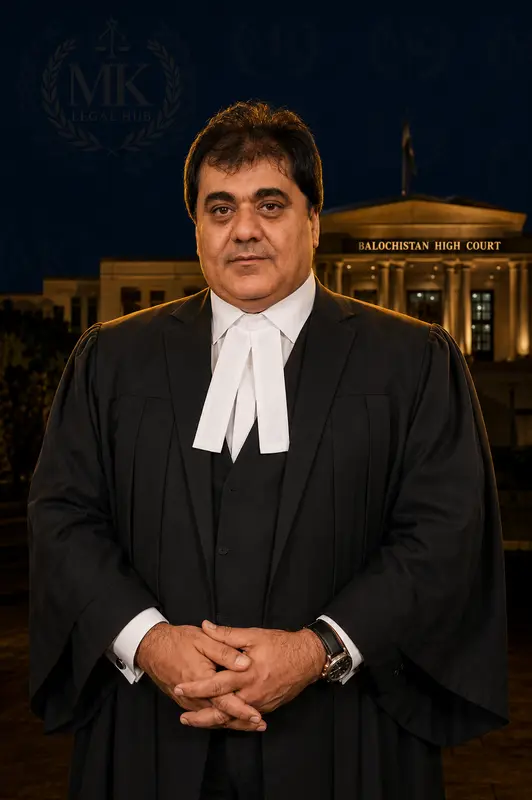
Chief Atta Ullah Baloch
Senior Advocate High Court · 20+ Years Criminal Practice · Quetta & Mastung
"Acquittal is the gold standard of criminal defence. In my 20 years, I have seen clients weep with relief when the judge says 'acquitted.' But acquittal in Pakistan does not happen by chance — it is built from day one. From the FIR stage, through bail, through cross-examination — every step is a brick in the wall of acquittal. And remember: even after acquittal, the State can appeal. Your fight may not be over. Stay prepared, stay represented. An honourable acquittal is worth every moment of the struggle."

Fighting for Acquittal? We Fight With You
Chief Atta Ullah Baloch has secured acquittal in Pakistan for clients across Balochistan trial courts — from cross-examination to final arguments.
📱 WhatsApp: 03414834719 📋 Schedule Consultation