Criminal Law in Pakistan: The Definitive Guide to PPC, CrPC & Special Offences (2026)
From FIR to Acquittal — Every Stage, Every Statute, Every Right
Criminal law in Pakistan is a robust, multi-layered legal system established through three primary statutes: the Pakistan Penal Code (PPC) 1860 which defines crimes and punishments, the Code of Criminal Procedure (CrPC) 1898 which dictates the procedure for investigation, arrest, bail, trial, and appeals, and the Qanun-e-Shahadat Order (QSO) 1984 which sets the rules of evidence. Understanding criminal law in Pakistan is not just for lawyers — it's the first step to protecting your liberty when facing any criminal charge in Balochistan, from false FIRs in Quetta to complex narcotics cases in Mastung.
1. The Bedrock of Criminal Law in Pakistan
Criminal law in Pakistan is the state's primary mechanism for delivering justice. Unlike civil law, which deals with private disputes, criminal law in Pakistan involves the state prosecuting an individual for an act classified as a crime. The substantive law is the PPC, while the procedural engine is the CrPC. The QSO acts as the gatekeeper of facts. For anyone in Balochistan, from the busy streets of Quetta to the quiet town of Mastung, a working knowledge of criminal law in Pakistan is your greatest defence against wrongful prosecution. This guide provides that knowledge, breaking down complex legal principles into a clear, actionable format.
When a crime is reported, the CrPC springs into action. Section 154 mandates the registration of an FIR for all cognizable offences. This is a foundational rule of criminal law in Pakistan, and a police officer's refusal to register an FIR is itself an offence. From there, the process of investigation, arrest, and bail unfolds in a strictly defined sequence. This guide will walk you through every one of these stages.
پاکستان میں فوجداری قانون کی بنیادیں
پاکستان میں فوجداری قانون ریاست کا سب سے طاقتور ہتھیار ہے، لیکن یہ شہری کے لیے ایک ڈھال بھی ہے۔ یہ نظام تعزیرات پاکستان (PPC)، ضابطہ فوجداری (CrPC) اور قانون شہادت (QSO) پر قائم ہے۔ ہر شہری کو اس قانون کا بنیادی علم ہونا ضروری ہے، کیونکہ جھوٹے مقدمے میں پھنسنے پر یہی علم اسے رہائی دلا سکتا ہے۔ چاہے آپ کوئٹہ میں ہوں یا مستونگ میں، فوجداری قانون کا یہ گائیڈ آپ کے حقوق کا تحفظ کرے گا۔
2. The Architecture of Justice: Hierarchy of Criminal Courts in Pakistan
A key part of understanding criminal law in Pakistan is knowing which court does what. The hierarchy is strict, and each court is a gatekeeper to the next. A case typically begins its journey at the lowest rung and moves upward on appeal. This structure ensures that every accused has multiple layers of judicial scrutiny.
Magistrate Court
The entry point for all criminal cases. Tries minor offences, grants bail in bailable cases, and orders police or judicial remand. The Executive Magistrate is key for law and order matters.
Sessions Court (District Judge)
The core trial court for all major crimes including murder and dacoity. Handles bail in non-bailable cases under S.497 & 498 CrPC. Hears criminal appeals from Magistrates.
High Court (Balochistan)
A Constitutional court with inherent power to quash an FIR (S.561-A CrPC) and enforce fundamental rights via writ petitions (Art. 199 Constitution). Hears appeals from Sessions Court.
Supreme Court of Pakistan
The highest court of appeal. Its judgments on criminal law in Pakistan are binding on all lower courts. It sets the guiding principles for the entire criminal justice system.
⚖️ Need Expert Legal Guidance?
Navigating the court hierarchy alone can be intimidating. Our team at MK Legal Hub provides expert legal consultation for clients across Balochistan.
3. The Pakistan Penal Code (PPC) — Offences Hub
The PPC is the backbone of criminal law in Pakistan. It defines every major crime and its corresponding punishment. Offences are classified as cognizable/non-cognizable, bailable/non-bailable, and compoundable/non-compoundable. Below is a breakdown of the most critical PPC offences you must understand, each linked to its detailed guide on criminal law in Pakistan.
Murder (Qatl-i-Amd, S.302)
The gravest crime under criminal law in Pakistan. Punishment includes death or life imprisonment. Bail is possible if evidence is weak, the FIR is delayed, or the benefit of doubt applies. Private defence is a key right (S.96-106 PPC).
Hurt Laws (S.332-337-L)
Governs all physical injuries under Islamic principles of Qisas, Arsh, Daman. The medical report (MLC) is the single most crucial piece of evidence in any hurt case under criminal law in Pakistan.
Fraud & Cheating (S.415-424)
Cheating is deception to deliver property. Fraud is dishonest disposition against creditors. These economic crimes under criminal law in Pakistan require immediate legal strategy to prevent arrest.
Narcotics (CNSA 1997)
While a special law, drug offences are the most prosecuted crimes in criminal law in Pakistan. Section 9(c) imposes severe bail restrictions. Understanding the CNSA is critical for defence.
Cyber Crime (PECA 2016)
The digital age law under criminal law in Pakistan. Covers cyberstalking, online harassment, hacking, and electronic fraud. Section 20 and 21 are the most litigated provisions.
Cheque Bounce (S.489-F)
A high-frequency offence in criminal law in Pakistan. Dishonouring a cheque is a non-bailable offence, but courts routinely grant bail. Fast legal response is essential to avoid arrest.
4. The Islamic Criminal Law System: Qisas, Diyat & Tazir
A unique feature of criminal law in Pakistan is the integration of Islamic principles through the Criminal Law (Amendment) Act, 1997. This embedded Qisas (retribution) and Diyat (blood money) directly into the PPC. In practice, the victim's heir (Wali) often forgives the offender in exchange for Diyat, making even murder compoundable and enabling bail and acquittal. Arsh is the compensation fixed for specific bodily injuries, while Daman covers pain and suffering. This system is a cornerstone of criminal law in Pakistan, turning the courtroom into a space for negotiation and settlement rather than just punishment.
قصاص، دیت، اور تعزیر — اسلامی فوجداری قانون
پاکستان میں فوجداری قانون کی ایک منفرد جہت اس میں شامل اسلامی اصول ہیں۔ قصاص کا مطلب جان کے بدلے جان ہے، لیکن عملی طور پر ولی (متوفی کے وارث) دیت (مالی معاوضہ) لے کر مجرم کو معاف کر سکتے ہیں۔ چوٹوں کے لیے ارش اور دمن کے قوانین لاگو ہوتے ہیں۔ یہ نظام نہ صرف سزا کا ذریعہ ہے بلکہ مصالحت اور سمجھوتے کا ایک طاقتور قانونی طریقہ بھی ہے۔
5. Special Criminal Statutes Shaping Modern Criminal Law in Pakistan
Beyond the classical framework, special statutes address specific crimes with modified procedures. A complete guide to criminal law in Pakistan must account for these laws, as they often curtail the rights available under the general PPC and CrPC.
Balochistan Arms Ordinance 2022
The new provincial arms law for Balochistan, replacing the older Pakistan Arms Ordinance 1965 for this region. It strictly regulates all firearms licensing and possession. Unauthorised possession of a "prohibited bore" is a serious, non-bailable offence under this statute.
Anti-Terrorism Act 1997
Terrorism cases under criminal law in Pakistan are tried in special ATC courts with expedited procedures. Bail is extremely difficult, and the definition of "terrorism" is a frequent subject of legal challenge in the superior courts.
Juvenile Justice System Act 2018
A transformative law for criminal law in Pakistan. It defines a juvenile as under 18, establishes special Juvenile Courts, prohibits the death penalty for minors, and emphasises diversion and rehabilitation over incarceration.
📝 Need a Court-Ready Document for Your Case?
Our Virtual Clerk Service delivers professionally formatted FIR responses, bail petitions, affidavits, and legal notices — drafted by legal experts within 24 hours.
6. The Accused Person's Shield: Constitutional & Procedural Rights
To balance the state's immense power, criminal law in Pakistan and the Constitution provide the accused with a set of non-negotiable rights. These are the shields that protect a citizen from becoming a victim of the system.
Right to Silence
Article 13(b) QSO states no accused can be compelled to self-incriminate. The burden of proof is entirely on the prosecution. Silence cannot be used as an admission of guilt.
Right to Fair Trial & Counsel
Articles 10 and 10A of the Constitution guarantee the absolute right to a lawyer and a fair, impartial trial. This is a non-negotiable pillar of criminal law in Pakistan.
Protection Against Illegal Detention
An arrested person must be produced before a magistrate within 24 hours. This is a strict constitutional command in criminal law in Pakistan under Article 10(2).
Double Jeopardy
Article 13 of the Constitution and Section 403 CrPC protect against being tried twice for the same offence. Once acquitted, an accused cannot be retried.
Bail is the Rule
Superior courts have held that "bail is the rule and jail is the exception" in criminal law in Pakistan. Seriousness of the allegation alone is never grounds for denial.
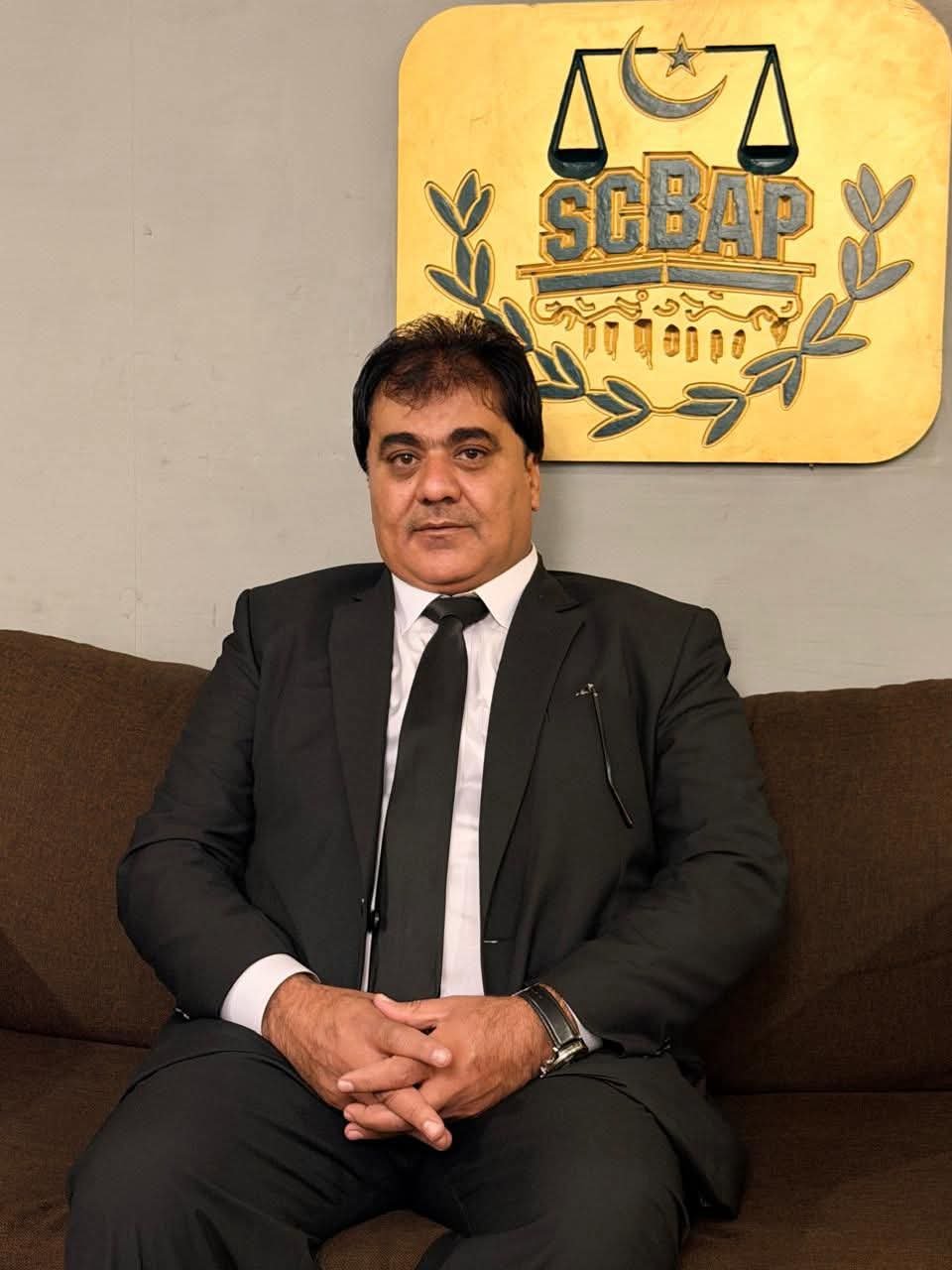
Chief Atta Ullah Baloch
Senior Advocate High Court | 25+ Years in Balochistan Courts
"The law is a shield, not just a sword. My practice in Quetta and Mastung has shown me that a single well-placed bail petition can save a family's honour and a man's freedom. Don't navigate the criminal justice system alone. It is built on procedure, and knowing that procedure is power."
⚖️ Need Criminal Defence in Balochistan?
Chief Atta Ullah Baloch has been defending clients in Mastung and Quetta courts for over two decades. One consultation can save your liberty.